Lithuanian farmers are facing one of their toughest seasons in years as weather damage and plunging grain prices leave many with harvested crops they cannot profitably sell. Even where yields are close to average, low farmgate prices, higher diesel and fertilizer costs and crop-quality losses are turning this year’s harvest into a cash-flow squeeze rather than a bumper crop.
Lithuanian farmers face low grain prices and weather losses
The pressure matters beyond individual farms because agriculture is a major rural employer and a key source of seasonal liquidity in Lithuania. When grain is downgraded by rain, sprouting and hail, farmers lose not only volume but also quality premiums, while their input bills remain elevated. That leaves many waiting to sell into a weak market, or forced to move grain at prices they say are near multi-year lows.
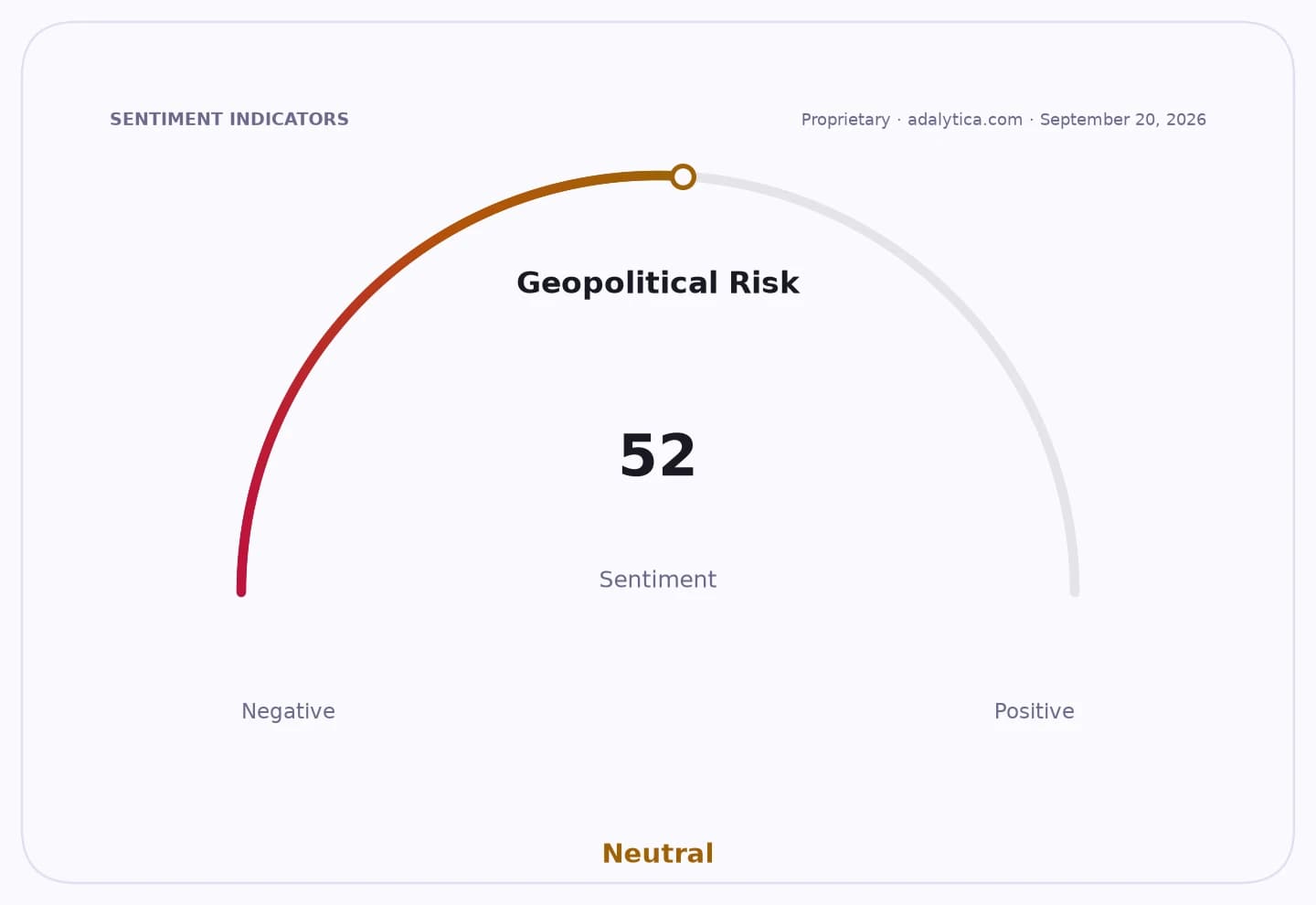
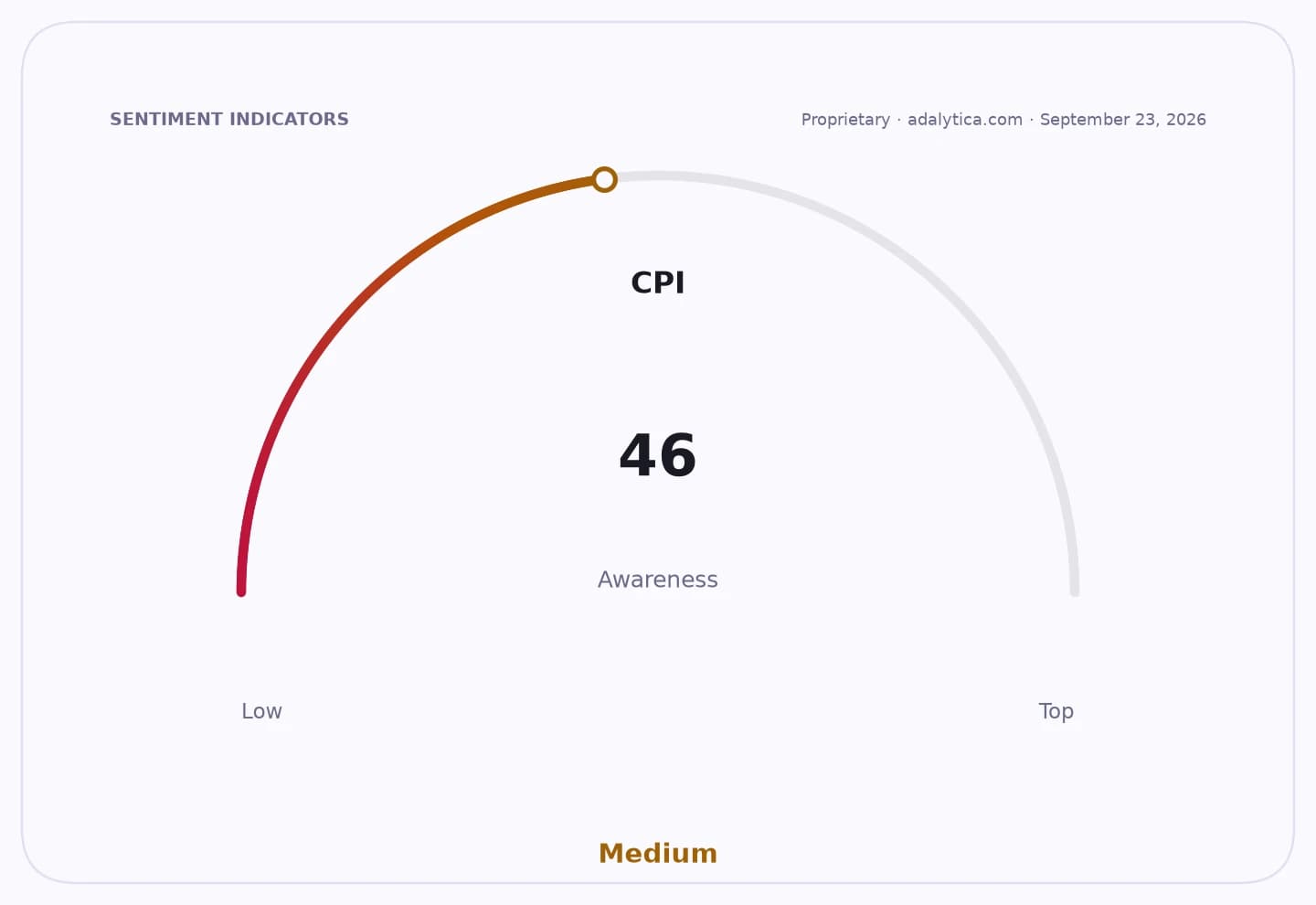
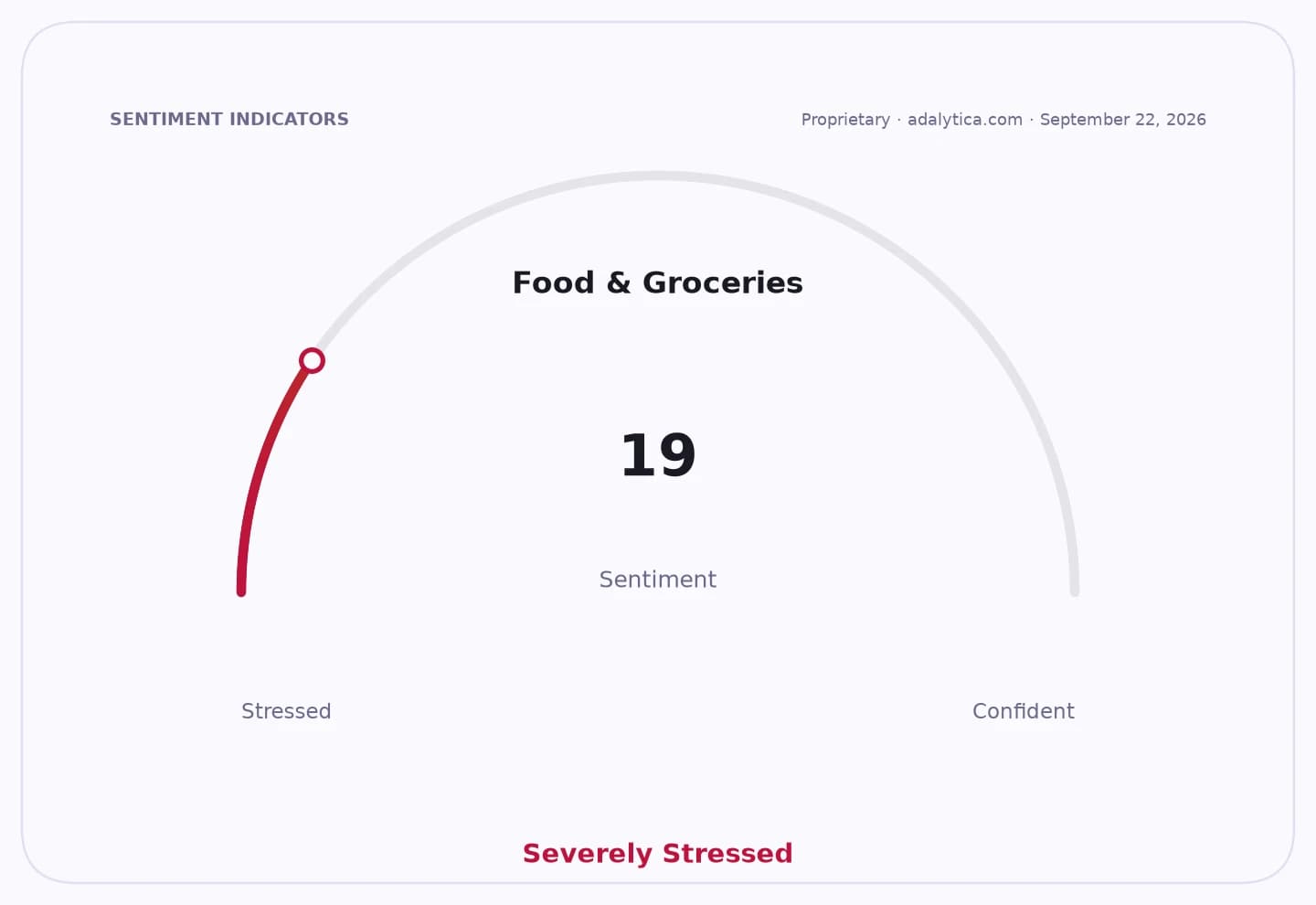
Sentiment IndicatorsⓘProprietary · adalytica.com · September 7, 2026
This is a snapshot — live sentiment, awareness and momentum for 130+ markets update continuously in the dashboard.Open AlphaPulse
Organic farmer Tauras Kurdziauskas, who works about 600 hectares in the Trakai district, said oat prices are around 170 euros a ton, compared with 300-330 euros last year. He said he had not seen such low buying prices since entering farming in 2008, and even a 2016 invoice showed oats at 270-280 euros a ton.
Triticale is suffering a similar slide, with prices around 170-180 euros a ton versus about 200 euros last year, he said. Germany, one of his export links, is also showing weaker demand, underscoring that the problem is not just local weather but a broader softening in grain markets.
The pain is compounded by costs that have not fallen with grain prices. Kurdziauskas said spring diesel cost 1.30-1.40 euros a liter, versus 80-90 cents in earlier years, and that a single soil-working pass can burn 10-12 liters a hectare. On 600 hectares, that quickly adds up to thousands of euros per operation.
For mixed farm owner Kasia Jankun, who manages about 200 hectares, 72 dairy cows and around 100 calves, the math is even starker. She said she spent about 50,000 euros on fertilizer this spring and still does not know whether harvest proceeds will cover that bill, let alone labor, machinery depreciation and fuel.
Weather losses are adding to the squeeze in the south and southeast of the country. Robert Matulevicius, who runs an organic farm in the Shalchininkai district, said hail on Aug. 6 cut some fields by 60% to 70%, while oats that might normally yield 3 tons a hectare were reduced to 1.7-1.8 tons. Lupin output on some plots fell to about 700 kilograms a hectare from 2-2.5 tons in a good year.
Heavy rain has also delayed harvest and in some cases triggered sprouting in the ear, leaving grain fit for little or no use. The Lithuanian Center for Agricultural and Forestry Sciences said on Aug. 20 that average yields should remain near long-term norms or slightly above, but warned that rain and overcast conditions had already damaged grain and seed quality.
For investors, the story is a reminder that farm economics can deteriorate even when headline output looks stable. Low crop prices, weather-related quality downgrades and higher energy costs can squeeze margins across the agricultural supply chain, from growers and storage operators to lenders and rural equipment suppliers.
The government has already declared a state-level emergency after storms and extended some agricultural deadlines, while the agriculture ministry is urging farmers to document losses quickly so municipalities can assess damage by Sept. 11. The key question now is whether state aid, insurance payouts and any rebound in grain prices are enough to stop a bad season from becoming a balance-sheet problem heading into next spring.
| Entity | Gains | Losses |
|---|---|---|
| Grain buyers | ▲cheaper supply | ▼farmers’ margins |
| Farmers with storage | ▲delay forced sales | ▼cash flow now |
| State aid programs | ▲stronger case for support | ▼budget pressure |
| Export-linked traders | ▲lower procurement costs | ▼quality-constrained volumes |