LKAB’s closer tie-up with Stegra matters because it could turn Sweden into one of Europe’s most credible hubs for low-emission steelmaking, while giving both companies a clearer path to long-term industrial scale.
LKAB and Stegra deepen Sweden steel supply ties
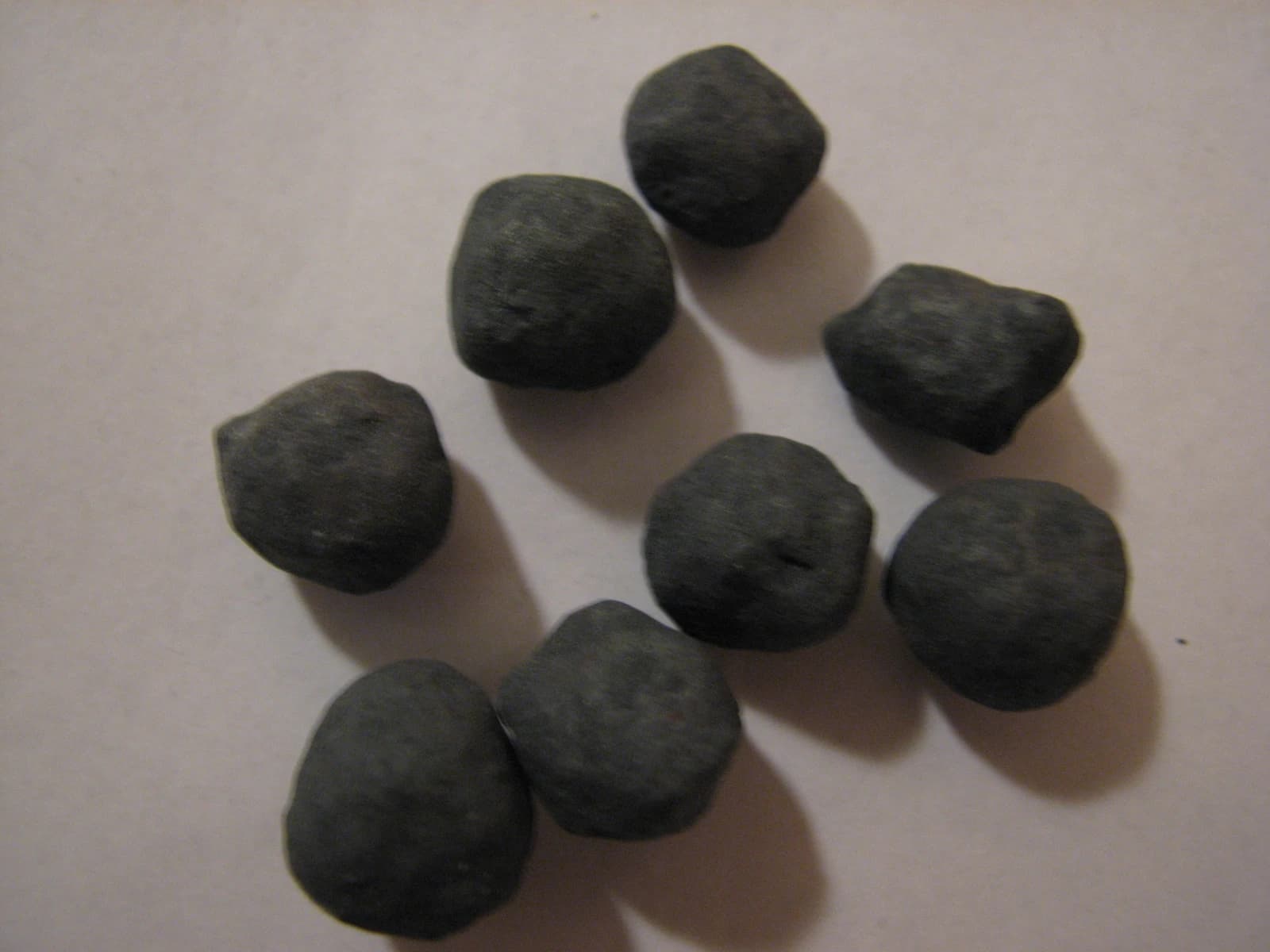
The two companies have signed a letter of intent to deepen cooperation on iron ore pellets for Stegra’s planned steel plant in Boden, with the goal of reaching a longer-term supply agreement for so-called DR pellets, the direct-reduction grade material used to make steel with lower emissions. For investors, that is more than a supply-chain update: it is a sign that one of Europe’s most ambitious green industrial projects is trying to lock in a domestic raw-material base rather than rely indefinitely on imported ore from Canada and Brazil.
Sentiment Indicators
That matters economically because steel is still a foundational input for infrastructure, manufacturing and energy transition projects, and the next generation of steelmaking will be judged not just on emissions, but on access to dependable feedstock, logistics and power. LKAB said the pellets will first be tested under conditions similar to Stegra’s planned production, which is exactly the kind of practical step that separates a vision from a bankable industrial model. The agreement also extends to logistics planning, including transport routes, loading and unloading, and the trains and wagons that would be needed for future deliveries.
The stakes are high for Sweden. Stegra, formerly H2 Green Steel, had previously struck supply deals abroad because LKAB was hesitant to commit, in part over concerns about Malmbanan, the rail line that carries much of northern Sweden’s mineral output. By moving closer now, the companies are addressing one of the biggest bottlenecks in heavy industry: not just whether the raw material exists, but whether it can reach the plant at the right scale and cost. That is why Håkan Buskhe’s comment about strengthening Sweden’s industrial capacity and a more resilient Europe carries real weight.
For LKAB, the deal reinforces its role as more than a bulk miner. The company wants to be part of “competitive value chains almost entirely without emissions,” in Johan Menckel’s words, and that points to a longer-term shift in how investors should think about miners with high-quality reserves and processing capability. In a decarbonizing economy, the winners will not simply be those shipping tonnes out of the ground, but those that can help customers redesign entire production systems.
Stegra, meanwhile, continues to build around a more diversified ownership structure after its summer financing round, which brought in Wallenberg Investments as majority owner. That backing gives the Boden project more credibility, but execution still depends on the same old industrial fundamentals: raw materials, rail, energy and reliable delivery. If LKAB and Stegra can turn this preliminary cooperation into a durable supply contract, it would reduce project risk and strengthen the case that Sweden can compete in next-generation steel rather than just commodity mining.
The broader investment takeaway is straightforward. This is not yet a revenue event, but it is a strategic de-risking event for two companies trying to capture a long-duration theme: the reindustrialization of Europe around cleaner metals. For long-term investors, that makes the LKAB-Stegra partnership worth watching closely.
| Entity | Gains | Losses |
|---|---|---|
| LKAB | ▲Higher-value pellet outlet | ▼Reliance on legacy bulk model |
| Stegra | ▲More secure input supply | ▼Dependence on logistics execution |
| Sweden’s industry | ▲Stronger domestic value chain | ▼Less room for import dependence |
| Imported ore suppliers | ▲— | ▼Potentially lower future demand |