Long-term credit can make big purchases feel manageable, but the real risk is that the payment schedule lasts longer than a household’s financial stability does.
Long-term credit risk rises as rates stay high

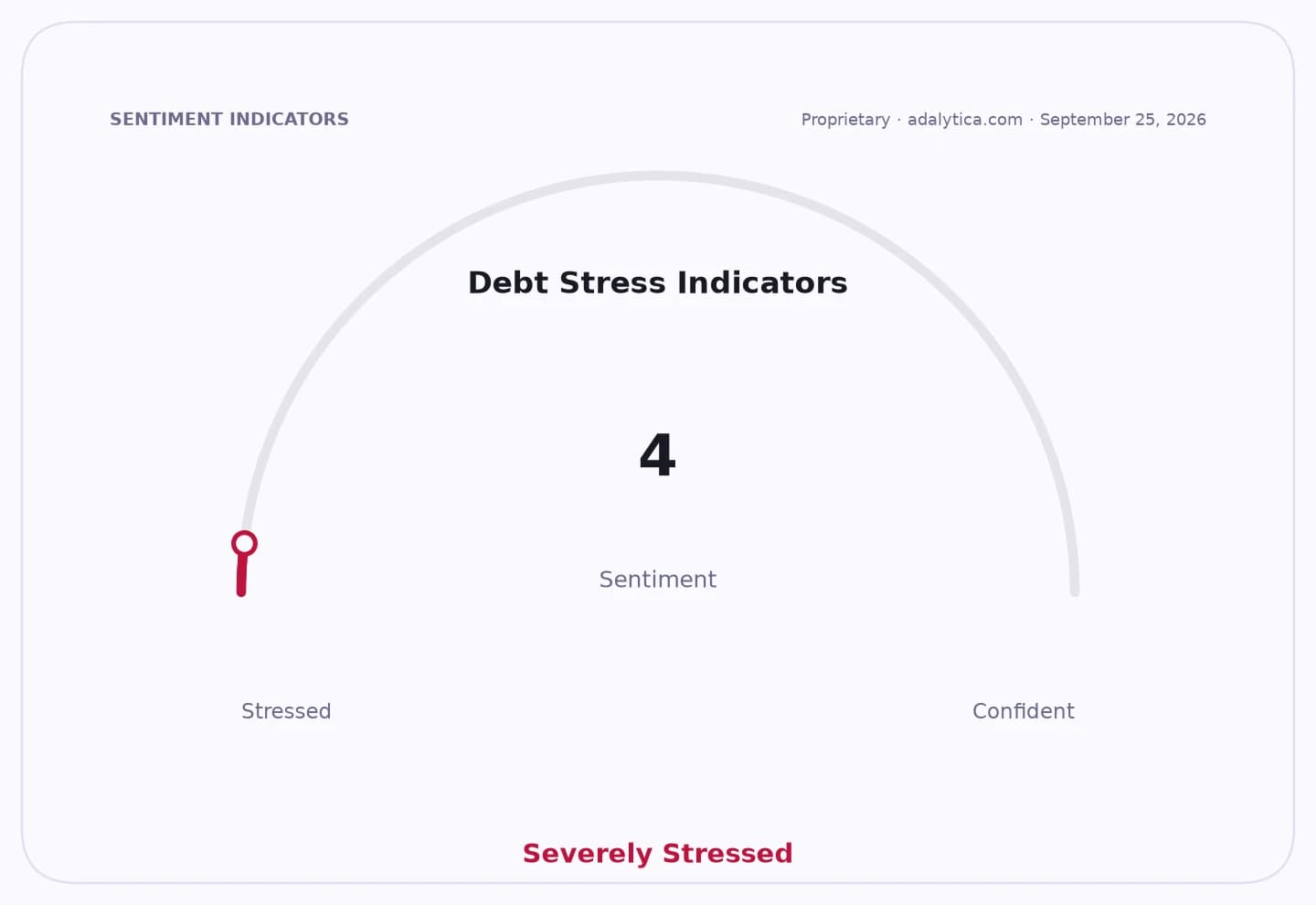
That matters now because borrowing costs are still elevated, labor conditions are softer, and debt stress is showing up across consumer and corporate balance sheets. The U.S. 10-year Treasury yield is around 5%, the 2-year is near 4.77%, and unemployment is forecast at 4.02% for September, a combination that keeps financing expensive while income security remains uncertain. For investors, that is a reminder that long-duration debt can look harmless at origination and become a drag when earnings, jobs or family needs change.
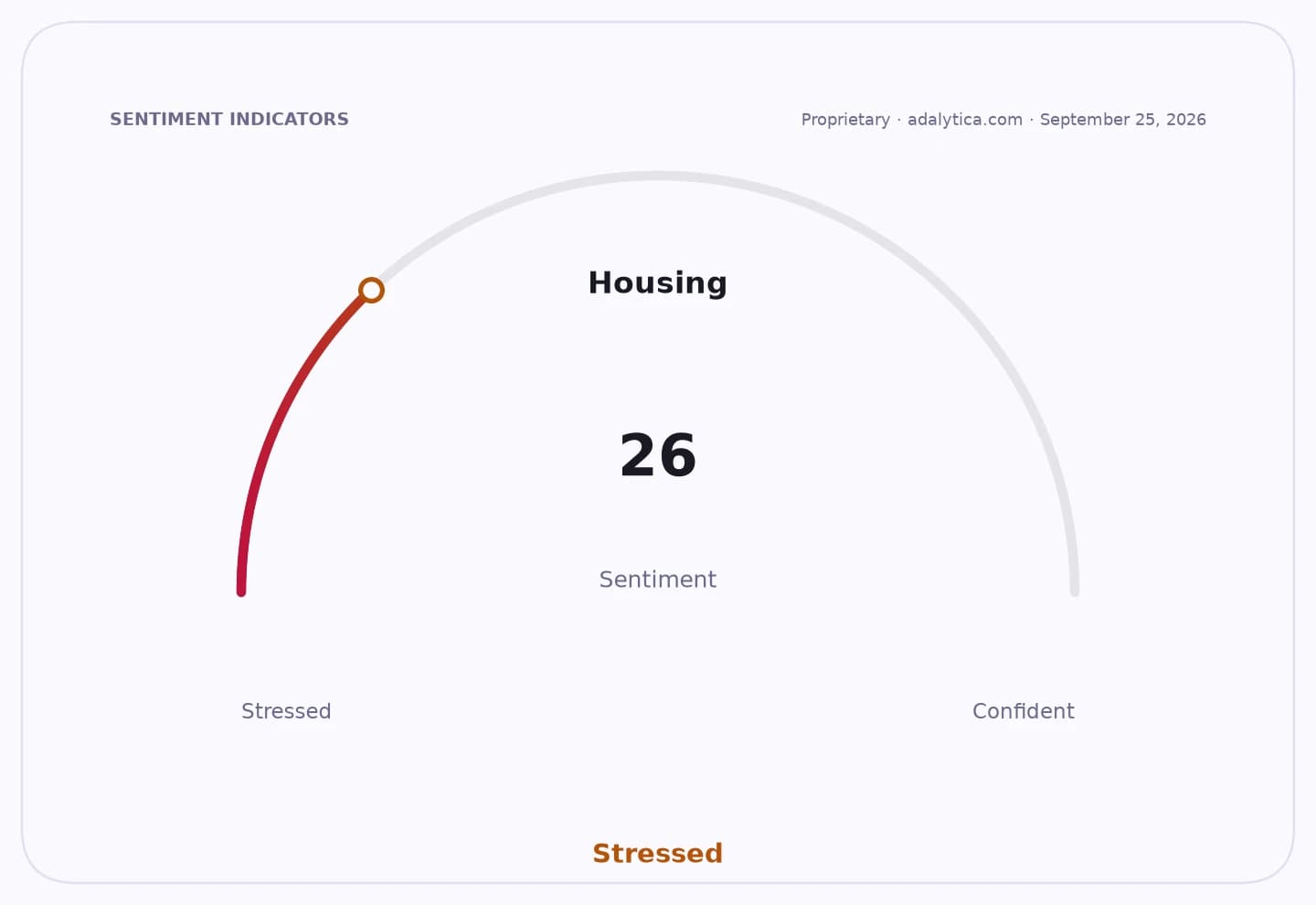
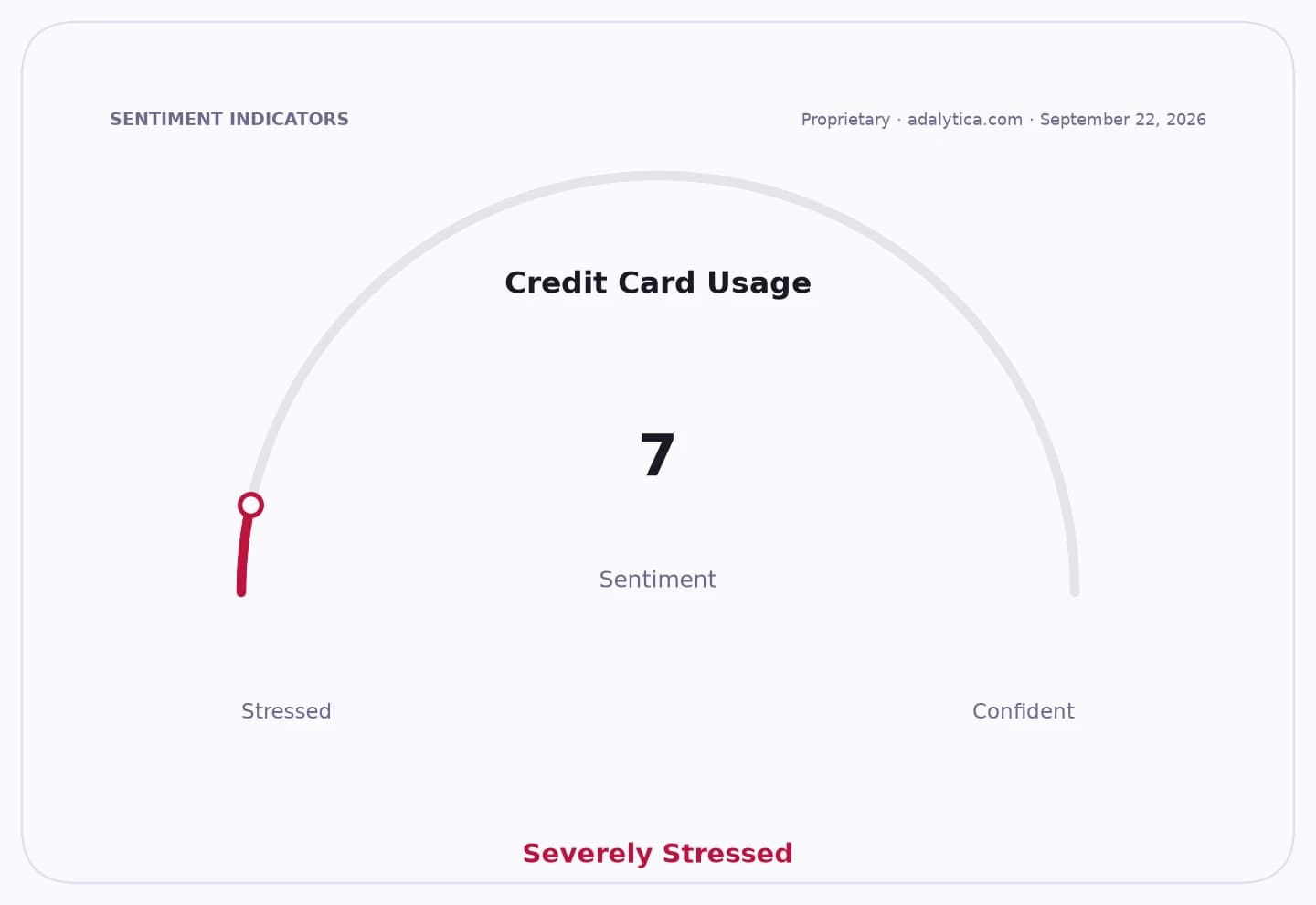
Sentiment IndicatorsⓘProprietary · adalytica.com · September 18, 2026
This is a snapshot — live sentiment, awareness and momentum for 130+ markets update continuously in the dashboard.Open AlphaPulse
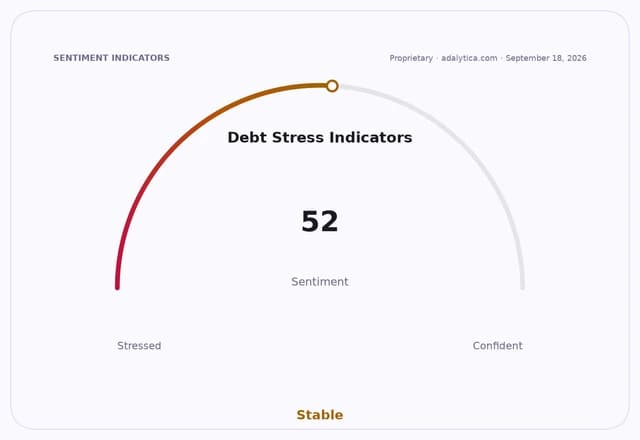
The core problem with long-term credit is simple: the obligation does not adjust when life does. If income falls, the monthly installment still arrives on schedule. If a borrower loses a job, has a child, pays for healthcare or faces another emergency, the fixed payment can crowd out savings and reduce flexibility. Over years, that can turn a manageable loan into a source of persistent budget pressure.
That is not just a household issue. Consumer balance-sheet strain eventually reaches lenders, card issuers and asset-backed investors. Capital One and American Express have both continued to disclose monthly delinquency and charge-off trends, a sign the credit cycle is being watched closely. Capital One shares have also slipped below their 50-day moving average, with recent RSI readings near 30, reflecting the market’s caution around credit quality even as the stock still trades close to its 200-day moving average.

The second risk is opportunity cost. Every dollar tied up in long-term installments is a dollar not available for saving, investing or handling future obligations. In other words, a loan that looks affordable on paper can limit the very flexibility that helps households build wealth over time. For long-term investors, that is one reason credit discipline matters: overstretched consumers are less likely to spend freely, and that can affect lenders, retailers and the broader economy.
A third challenge is that life changes faster than loan terms. Marriage, children, relocation, education costs and medical bills can all raise expenses while the debt remains fixed. That is why the cheapest loan is not always the best loan — especially if the term is so long that it outlives the borrower’s current financial assumptions.
The fourth issue is asset value. Cars and other financed items typically depreciate while the loan balance is still outstanding. That can leave borrowers owing more than the asset is worth, which becomes painful if they need to sell early. It also matters to investors in auto lenders and consumer finance because negative equity often makes refinancing or recovery harder when credit conditions weaken.
The fifth risk is uncertainty itself. The longer the tenor, the more chances there are for an unexpected shock — job loss, family disruption or a macro slowdown — to interrupt repayment. That is why emergency savings and conservative borrowing remain essential, even when monthly installments appear low.
For investors, the broader message is that long-term credit is a growth engine only when incomes are stable and collateral values hold up. When they do not, the pain tends to show up first in delinquencies, then in write-offs, and finally in valuations for lenders and consumer-facing businesses. That is why debt stress data, unemployment trends and Treasury yields matter far beyond the lending desk.
The best long-term response is not to avoid credit altogether, but to use it with a margin of safety. Households should stress-test payments against lower income, higher living costs and unexpected expenses before signing up for years of obligations. Investors, meanwhile, should keep an eye on lenders with strong underwriting, durable funding and manageable loss rates. In a world where debt can outlive optimism, patience and discipline still win.