Supply of liquefied petroleum gas is expected to return to normal within days, easing a tightening fuel market that has already forced hundreds of gas stations to close in Russia and pushed European reserves to their lowest summer level in two decades.
LPG Supply to Normalize After Russia Shortage
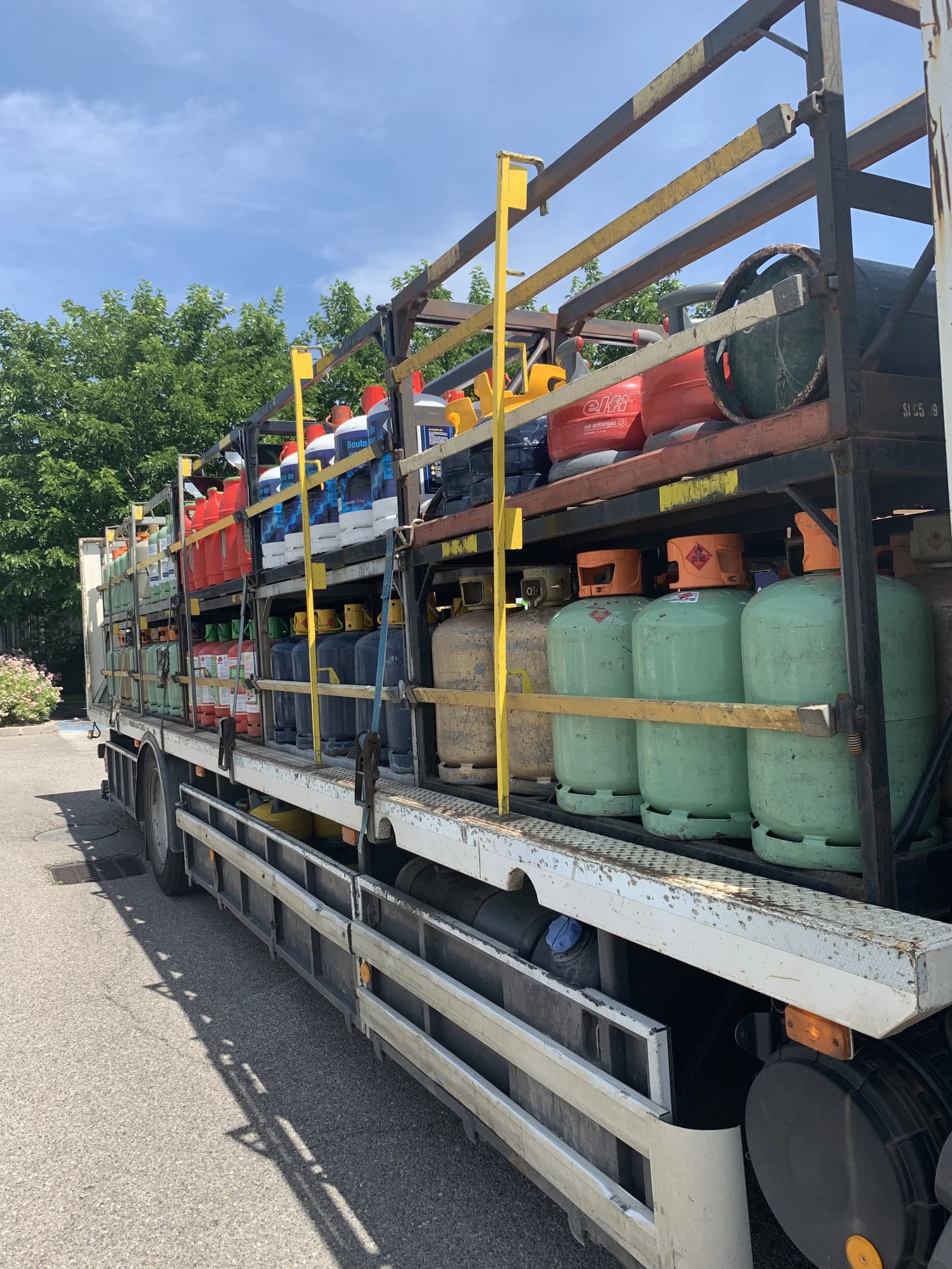
The rebound matters because LPG is a key heating, transport and industrial fuel, and any interruption ripples quickly through household costs, freight margins and petrochemical feedstock prices. A normalization would reduce pressure on spot prices and cut the risk of rationing or emergency imports, even as the broader market remains vulnerable to geopolitical shocks and weather-driven supply constraints.
Russia’s fuel shortage has become severe enough to dent domestic distribution, with stations shutting amid the lowest summer reserves in years. That has raised concern that disruptions could spill into nearby markets, including Hungary, while Europe’s own inventory drawdown leaves the region exposed heading into the next seasonal demand cycle.
The crisis has been driven by the war, sanctions-related logistics strains and drought-related supply pressures that have tightened flows across the region. Governments and suppliers are trying to diversify routes and sources, with Argentina emerging as a potential alternative exporter for Europe if Russian supply remains unstable.
For investors, the near-term read-through is mixed. Energy traders may see less immediate upside in LPG and related fuel prices if supply normalizes quickly, but the episode reinforces the case for keeping a premium on companies with flexible storage, trading and import infrastructure. It also keeps attention on broader oil and gas volatility, which has been supported by Adalytica.com’s Oil WTI Trade Signals snapshot showing sentiment in “Greed” territory.
The next catalyst is whether inventories rebuild fast enough to prevent another squeeze later in the season. If not, fuel distributors, refiners and regional utilities could face another round of pricing pressure even if supply briefly stabilizes.
| Entity | Gains | Losses |
|---|---|---|
| LPG buyers | ▲Lower prices | ▼Scarcity premium |
| Fuel distributors | ▲Easier replenishment | ▼Tight margins during shortages |
| Russian stations | ▲Restored supply | ▼Lost sales from closures |
| European consumers | ▲Reduced disruption risk | ▼Higher energy costs if shortages persist |