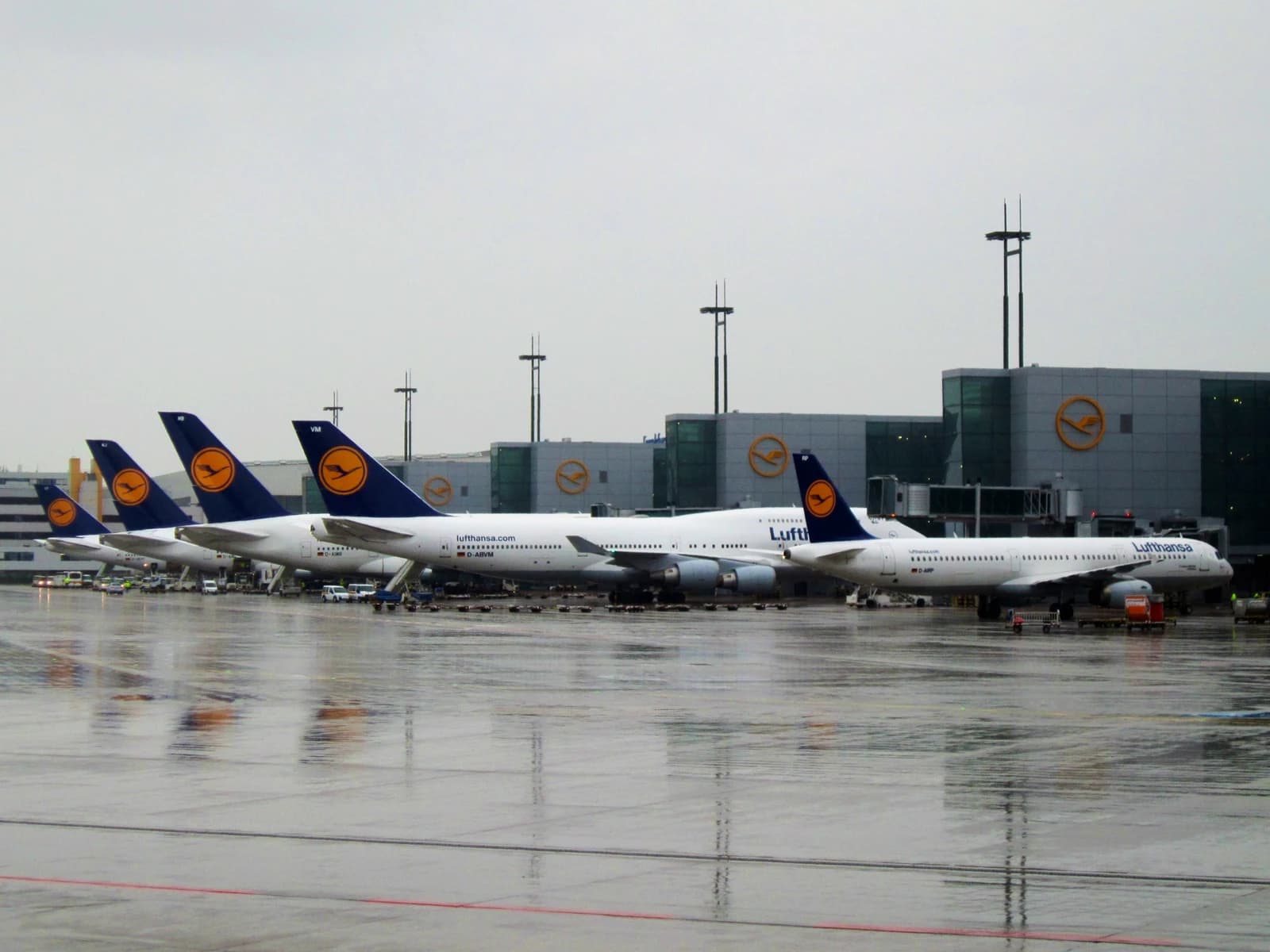
Lufthansa’s sharp share rally is being driven by one thing the market clearly wants to own: evidence that higher ticket prices and stronger ancillary businesses can still offset a brutal fuel bill. But JPMorgan’s refusal to upgrade the stock is a reminder that the airline recovery is not a straight line — and that investors may already be pricing in a lot of good news after a quarter that beat expectations but still came with a lowered full-year profit outlook.
Lufthansa Earnings Beat Amid Higher Fuel Costs
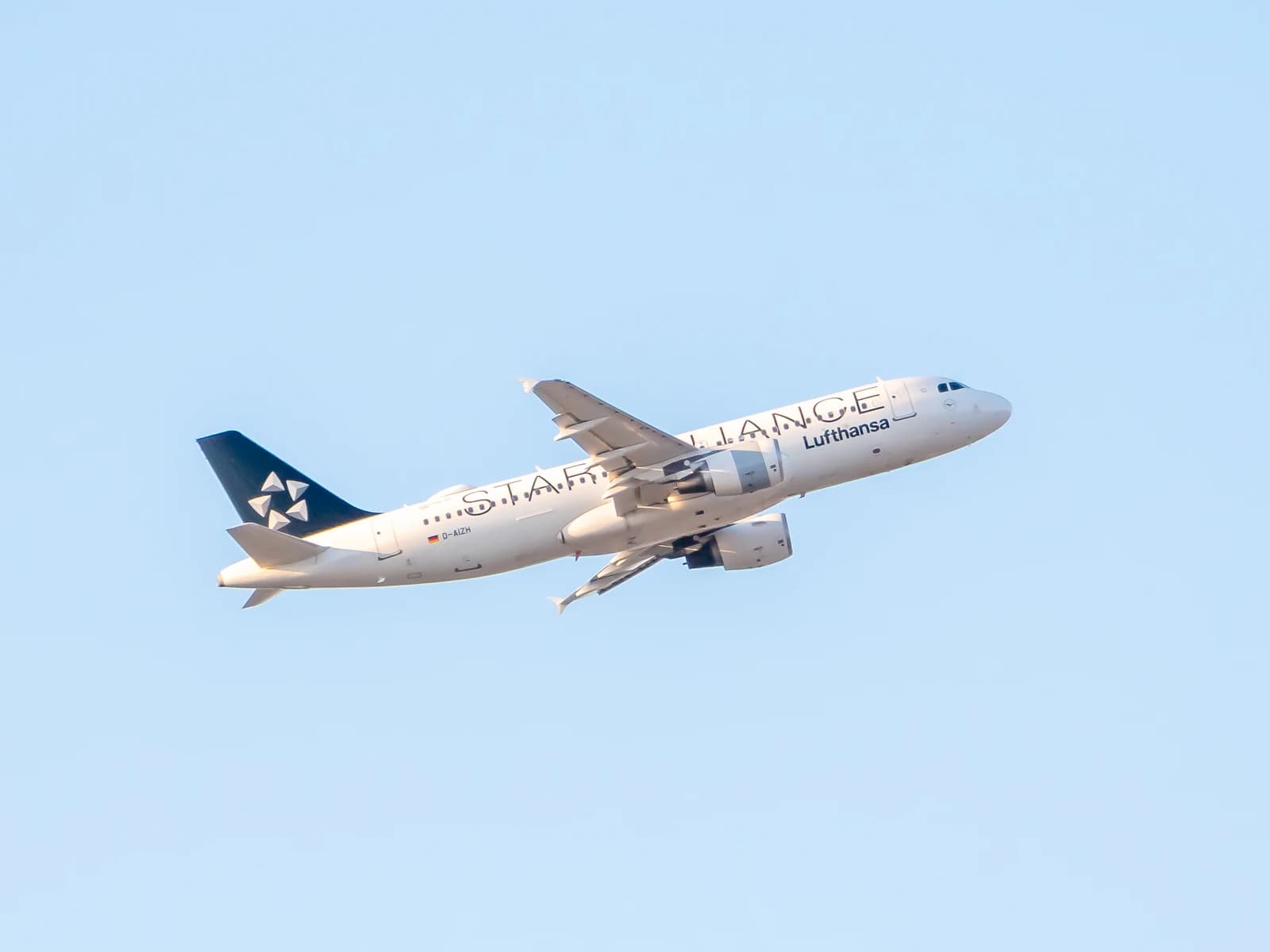
The real investment question is whether Lufthansa has moved from cyclical rebound to durable earnings power. That matters because airlines are notoriously sensitive to fuel, pricing and demand, and the latest numbers show both sides of the equation at work. Third-quarter revenue rose 9% to about 12.2 billion euros, adjusted EBIT increased 6% to roughly 1.4 billion euros and came in slightly ahead of expectations, and the company said it expects strong pricing again in the fourth quarter. At the same time, Lufthansa lifted its 2026 fuel-cost estimate to about 9.3 billion euros and trimmed the top end of its annual EBIT forecast to 2.0 billion euros from 2.2 billion euros.
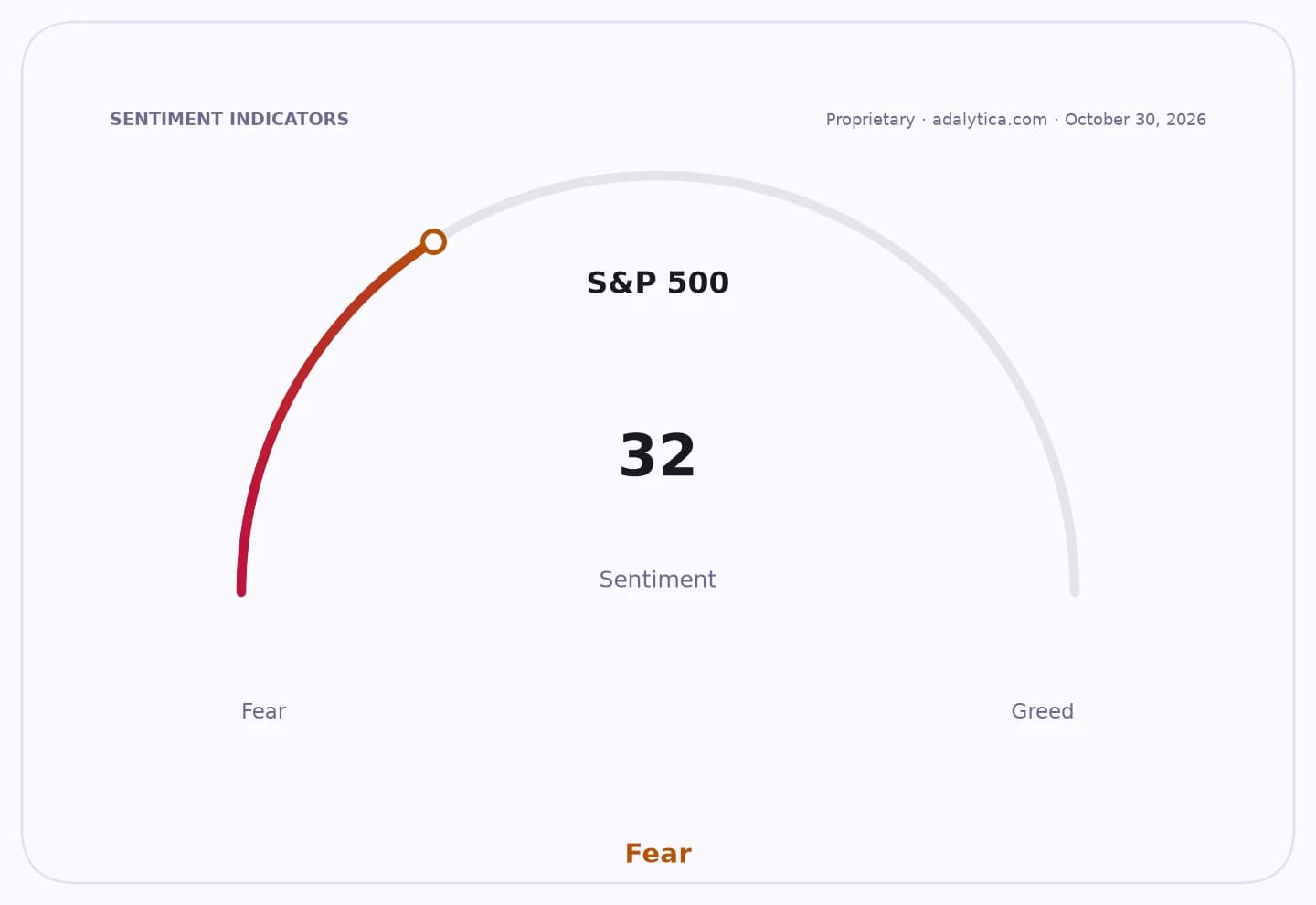
Sentiment Indicators
That is why the stock is soaring, but not necessarily cheap. Lufthansa is proving it can pass through some cost pressure, especially in premium long-haul travel, where average unit revenues climbed 7% at the network airlines and Eurowings posted an 8% increase. Cargo and maintenance are also helping diversify the earnings mix, with Lufthansa Cargo’s adjusted EBIT jumping to 162 million euros from 49 million euros and Lufthansa Technik lifting EBIT to about 200 million euros from 130 million euros. Those are the kinds of businesses that can turn an airline from a pure fuel bet into a broader aviation platform.
Still, the market should not ignore the warning embedded in JPMorgan’s 7-euro price target, about 11.4% below the current share price around 7.90 euros. The bank sees the quarter as positive and likes the pricing backdrop, but it is not convinced the improved operating performance is enough to overcome persistently high jet fuel prices, which remain the biggest swing factor for 2027 as well. Lufthansa has hedged much of its fuel exposure, but not enough to eliminate the risk that energy costs keep compressing margins.
For investors, that sets up an important divergence. If fuel prices stabilize and premium demand holds, Lufthansa still has upside through better yields, stronger cargo and a sturdier maintenance business. If fuel stays elevated, the shares may already reflect most of the recovery. In other words, this is no longer just a headline rebound trade — it is a test of whether Lufthansa can convert operational resilience into sustained free cash flow. My view: own the airline, but only if you believe the market is underestimating the value of its non-passenger businesses and overestimating how long fuel will remain punitive.
| Entity | Gains | Losses |
|---|---|---|
| Lufthansa | ▲Higher fares, stronger cargo and MRO earnings | ▼Fuel-cost pressure and capped upside |
| JPMorgan neutral stance | ▲Caution rewarded if margins disappoint | ▼Missed upside if rally extends |
| Premium travelers | ▲Better network capacity and service mix | ▼Higher ticket prices |
| Rival airlines | ▲None | ▼Relative pressure if Lufthansa outperforms pricing power |