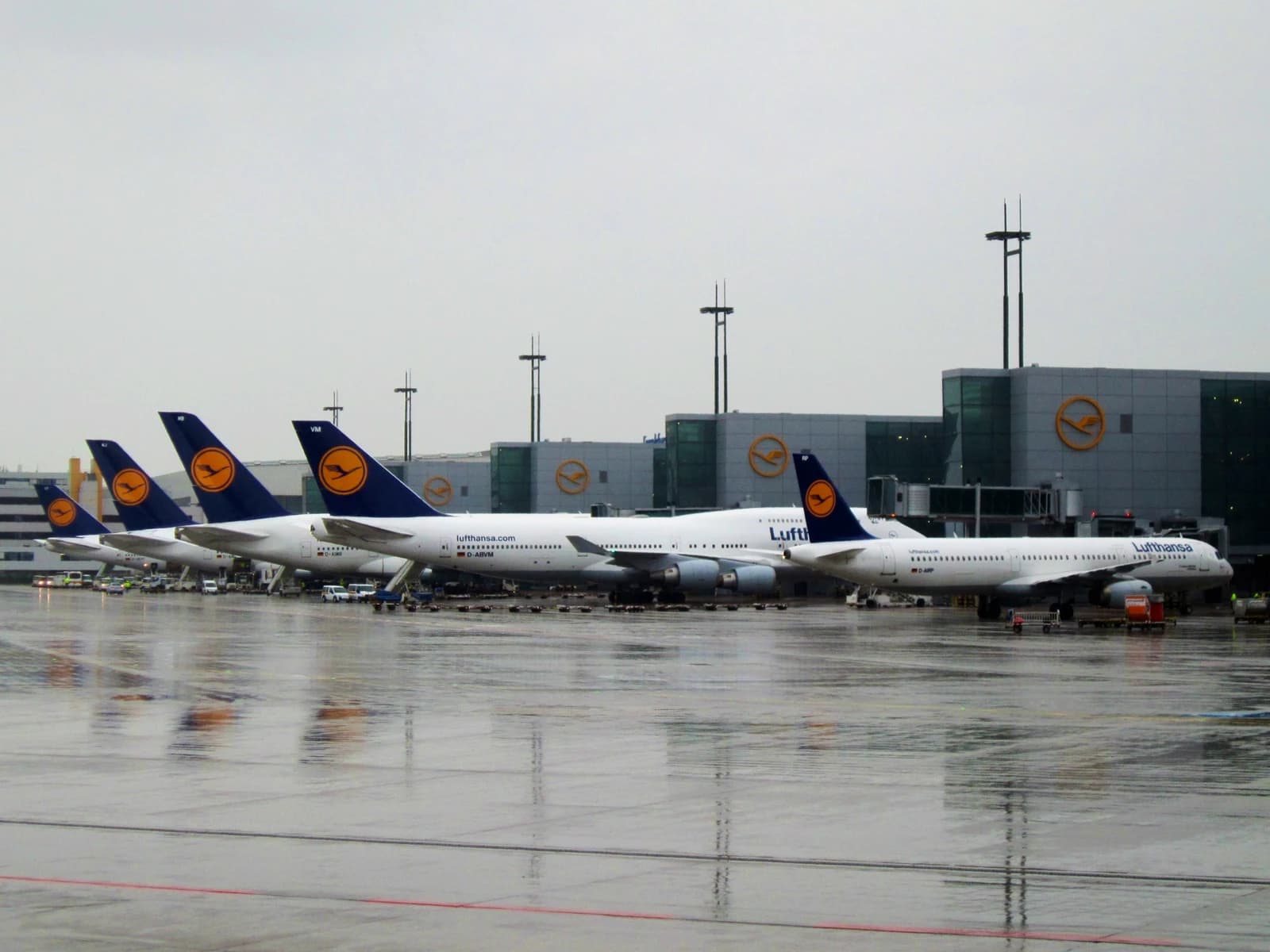
Airlines are being squeezed again by high fuel costs, and that matters because jet fuel is one of the few expenses that can erase profit even when planes are full. For Lufthansa, the pressure is showing up not just in margins but in fleet decisions, with the carrier retiring its Airbus A340-600 as operators across the industry try to trim fuel burn and protect cash flow.
Lufthansa retires A340-600 as fuel costs rise
That is the bigger investment story here: when fuel stays elevated, airlines cannot rely on traffic growth alone to defend earnings. They are forced to raise fares, cut costs, and retire older, less efficient aircraft sooner than planned. For long-term investors, that shifts the focus from passenger demand to operating discipline, balance-sheet strength and fleet efficiency.
The pressure is broadening across the sector. In the U.S., Alaska Air Group said it will cut 200 management jobs, including 48 in Hawaii, as soaring fuel costs threaten a $700 million annual loss. Other carriers, including United Airlines and JetBlue, have also warned that higher fuel is crimping profits. Southwest, one of the more closely watched hedging stories in the industry, reported that fuel costs rose sharply in the third quarter, underscoring how quickly the commodity can swing airline earnings even before hedges fully roll off.
That makes the Lufthansa move especially telling. Older wide-body aircraft such as the A340-600 are expensive to operate at a time when every point of fuel efficiency matters. Retiring them can reduce maintenance costs, improve utilization and help protect margins, even if it temporarily limits capacity. In other words, this is not just a fleet refresh — it is a defensive move in an industry where economics can change faster than schedules.
DCOILWTICO vs DGS10 — macro contextadalytica.com
Explore this data interactively — full history, time series and cross-market comparisons.
The market backdrop does little to help. Brent crude remains elevated by historical standards, and the 10-year U.S. Treasury yield near 5% keeps financing costs high as well. That combination is uncomfortable for airlines: fuel hits operating margins, while high rates make it costlier to fund aircraft purchases, lease renewals and restructuring.
For investors, the lesson is straightforward. Airlines with newer fleets, stronger pricing power and better balance sheets are better placed to absorb a prolonged fuel squeeze. Those with older aircraft, thinner margins or weaker hedging discipline are more exposed. The right response is not to chase the sector on a single quarter’s rebound, but to watch which carriers can preserve free cash flow through a full fuel cycle.
This is why airline stocks remain a stock-picker’s market. Higher fuel costs do not hit every carrier equally, but they do remind investors that the industry’s best businesses are built on efficiency, not just demand. For long-term holders, Lufthansa’s A340-600 exit is a warning worth watching.
| Entity | Gains | Losses |
|---|---|---|
| Lufthansa | ▲Lower fuel burn | ▼Capacity from older jets |
| Efficient carriers | ▲Better margins | ▼Slower fleet turnover peers |
| Passengers | ▲Moderner aircraft over time | ▼Potentially higher fares |
| Fuel suppliers | ▲Stronger demand | ▼Airlines’ profitability |