JetBlue Airways stock fell sharply and its bond yields rose after creditors hired advisors, underscoring how a jump in jet fuel prices is worsening pressure on the carrier’s already stretched balance sheet.
JetBlue stock falls as creditors hire advisors

The move matters because fuel is one of the biggest costs for airlines, and a sustained rise can quickly erode cash flow, especially for a smaller carrier with limited pricing power and a heavy debt load. JetBlue’s slide comes as oil prices have pushed back above $105 a barrel, a level that keeps pressure on airline margins and raises the risk that carriers are forced to absorb more of the cost rather than pass it through to travelers.
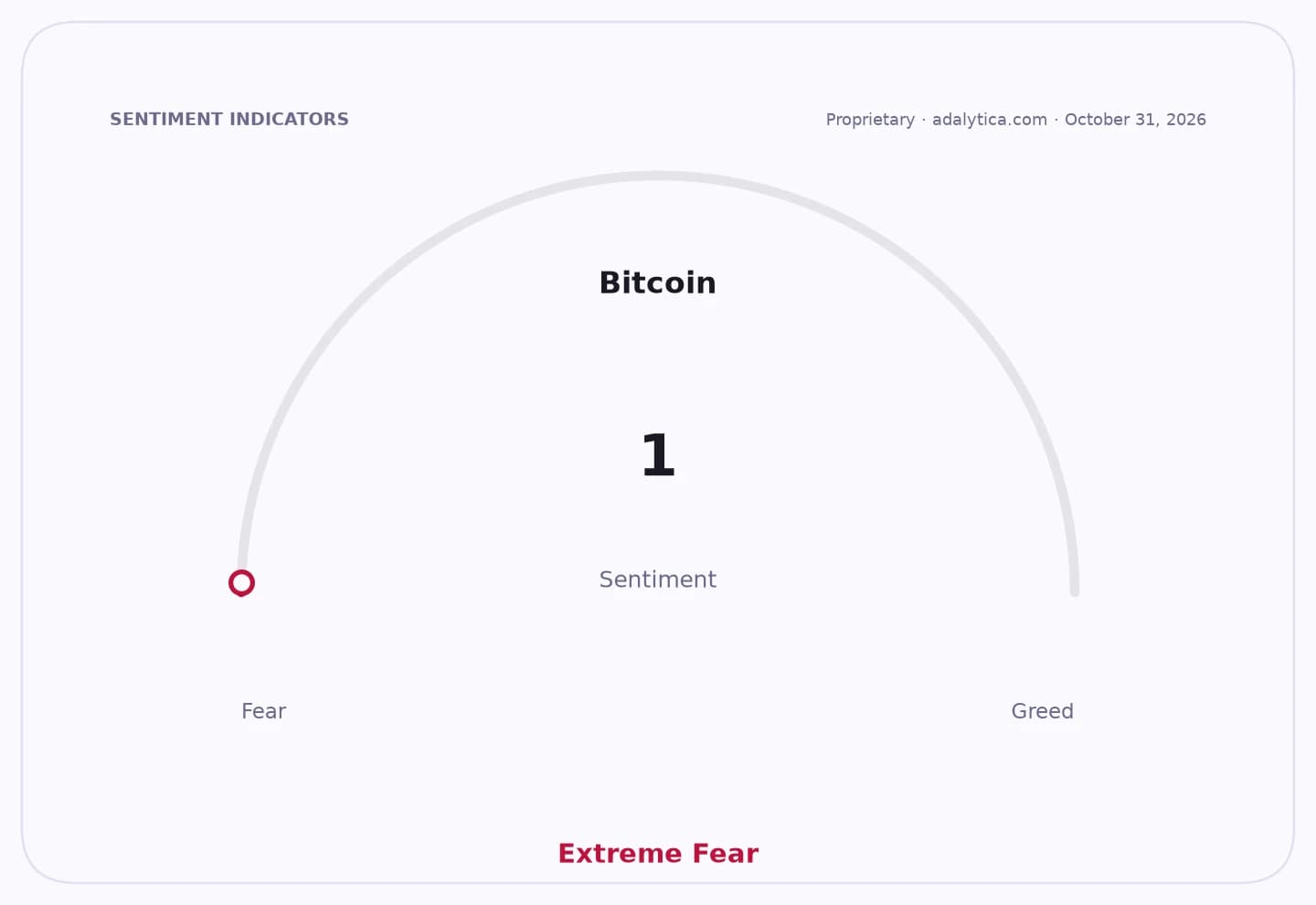
Sentiment Indicators
JetBlue has already flagged higher fuel expense in recent filings and said elevated fuel prices were expected to lift third-quarter costs. The company has also been managing continued macroeconomic uncertainty while trying to preserve liquidity and discipline capital spending.
The stock’s recent technical profile shows how quickly sentiment has deteriorated. JetBlue closed at $2.85 on Oct. 30, well below its 50-day moving average of $3.98 and 200-day moving average of $4.92, with the RSI at 34.3, suggesting the shares remain under pressure after a steep selloff.
Bond investors are sending a similar signal. High-yield spreads widened to 3.26 percentage points in the latest reading, while Treasury yields near 5% keep borrowing costs elevated across the market, adding to refinancing risk for weaker credits. That combination makes creditor scrutiny more consequential for JetBlue, which has been leaning on debt markets and secured financing to fund operations and aircraft commitments.
The broader airline sector is not immune, but larger carriers such as Delta and United are better positioned to absorb fuel shocks through scale, loyalty revenue and stronger balance sheets. JetBlue, by contrast, remains more exposed to a prolonged period of high fuel and financing costs.
Investors will be watching for any further creditor steps, updates on fuel hedging and liquidity, and whether management can stabilize margins without cutting capacity or leaning more heavily on debt.
| Entity | Gains | Losses |
|---|---|---|
| JetBlue creditors | ▲More leverage in talks | ▼More default risk exposure |
| JetBlue management | ▲Pressure to act on costs | ▼Higher financing strain |
| Larger airlines | ▲Relative competitive edge | ▼None material from JBLU stress |
| Bondholders | ▲Potential restructuring upside | ▼Wider spread losses |