Ryanair Holdings is moving to squeeze costs across the business after a 6% drop in quarterly profit, underscoring how higher fuel prices can quickly erode even the strongest low-cost airline model.
Ryanair Profit Falls as Fuel Costs Rise
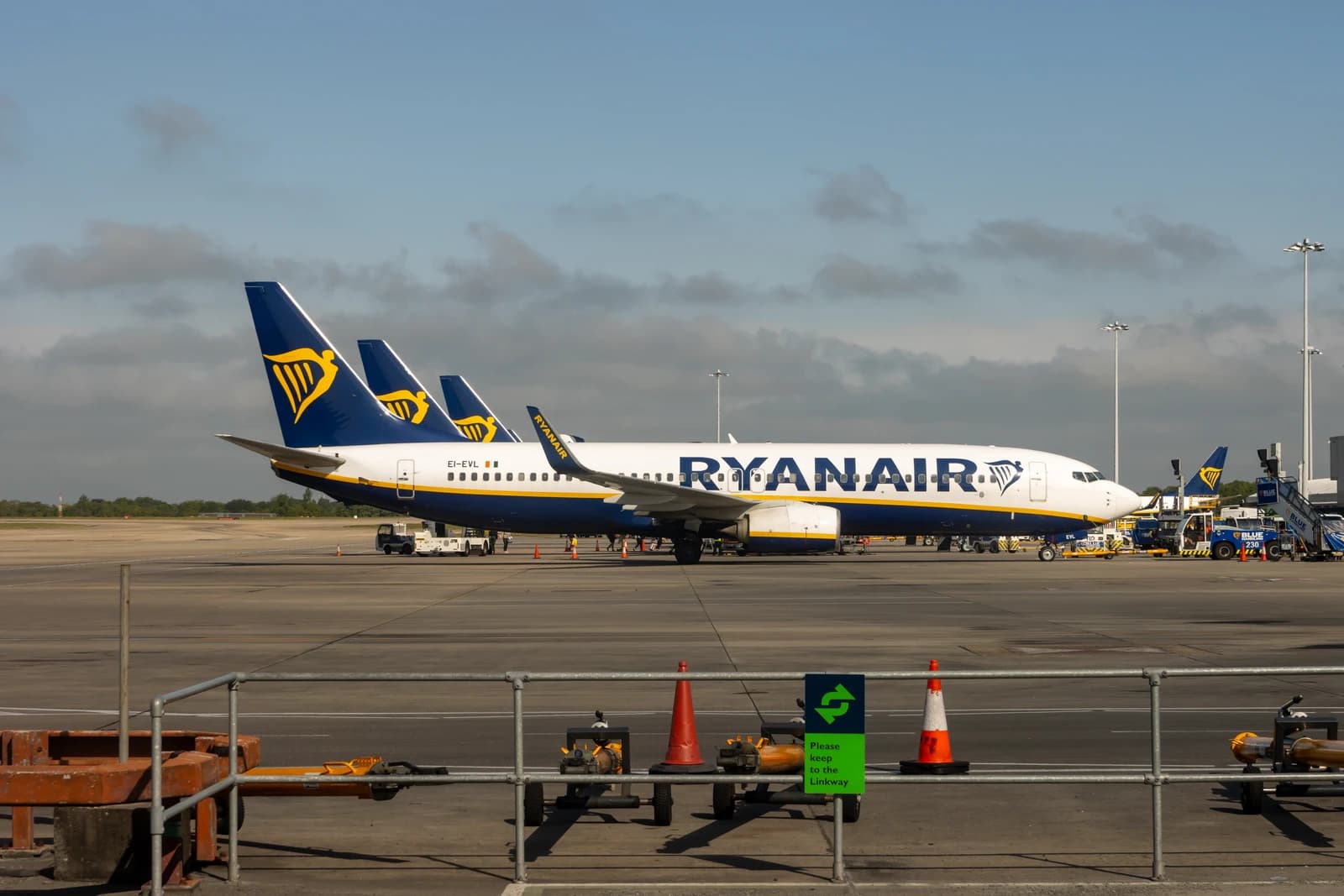
The Irish carrier said after-tax profit fell to 1.61 billion euros in the July-to-September quarter, a period that usually delivers its biggest earnings haul because it coincides with the summer travel peak. Earnings per share also slipped 4%, while average fares declined 2% from a year earlier, showing that Ryanair could not fully pass higher costs on to travelers even with robust passenger demand.
Sentiment Indicators
The real issue for investors is not one weak quarter but the outlook. Ryanair said it expects fuel expenses to rise by about 2 billion euros next year, based on current forward prices, and warned that jet fuel could remain expensive through 2027 if the regional conflict that has helped push oil higher does not ease. That matters because fuel is one of the airline industry’s biggest costs, and when prices stay elevated, the usual levers — fares, load factors and route discipline — only go so far.
So Ryanair is reaching for the classic airline playbook: tighter supplier deals, fewer crew members on board, more automation and, potentially, a wage freeze. That is a blunt reminder that labor tends to be the flexible cost when fuel and airport charges move against airlines. The company also said staff costs rose 7% in the period, while airport and handling charges climbed 3%, reinforcing the pressure on margins.
For long-term investors, the encouraging part is that Ryanair is not facing a demand collapse. It still expects passenger traffic to grow 3% to 214 million next year, and it plans an 800 million-euro buyback starting in February 2027. Hedging and newer, more fuel-efficient aircraft should also help cushion some of the pain. But the message from these results is clear: even Europe’s biggest budget airline has less room to absorb a sustained fuel shock than it once did.
The takeaway for shareholders is to watch how much of the extra fuel bill Ryanair can offset without damaging employee relations or consumer demand. If oil stays high, the airline’s cost-cutting discipline will matter more than ever, and the wage freeze threat may be only the first step in a longer squeeze on spending. For patient investors, Ryanair remains a high-quality operator worth watching, but the next year will test just how resilient that advantage really is.
| Entity | Gains | Losses |
|---|---|---|
| Ryanair shareholders | ▲buybacks, traffic growth | ▼lower margins |
| Ryanair management | ▲cost-control leverage | ▼labor tension |
| Employees | ▲none immediately | ▼wage freeze risk |
| Consumers | ▲fare competition | ▼higher ticket prices |