Lululemon is under pressure because its China growth engine is faltering just as the market is questioning how much premium the company deserves for expansion outside North America. The yoga-apparel maker said mainland China revenue fell 2% in the second quarter on a currency-adjusted basis, a sharp reminder that one of its most important international markets is no longer delivering the easy growth investors had expected.
Lululemon China Revenue Falls as Tesla Launches Cybercab

That matters because China has been central to the bull case for Lululemon’s valuation: a high-margin brand with room to scale in a market where premium athletic wear still has room to deepen penetration. A 2% decline in mainland sales is not just a weather quarter. It raises the risk that store growth, product mix and pricing power are becoming harder to defend in a consumer environment where discretionary spending is uneven and competition is intensifying. The shares’ slide reflects a broader reassessment of growth durability after a run that left the stock vulnerable to any sign that China would not offset softer conditions elsewhere.
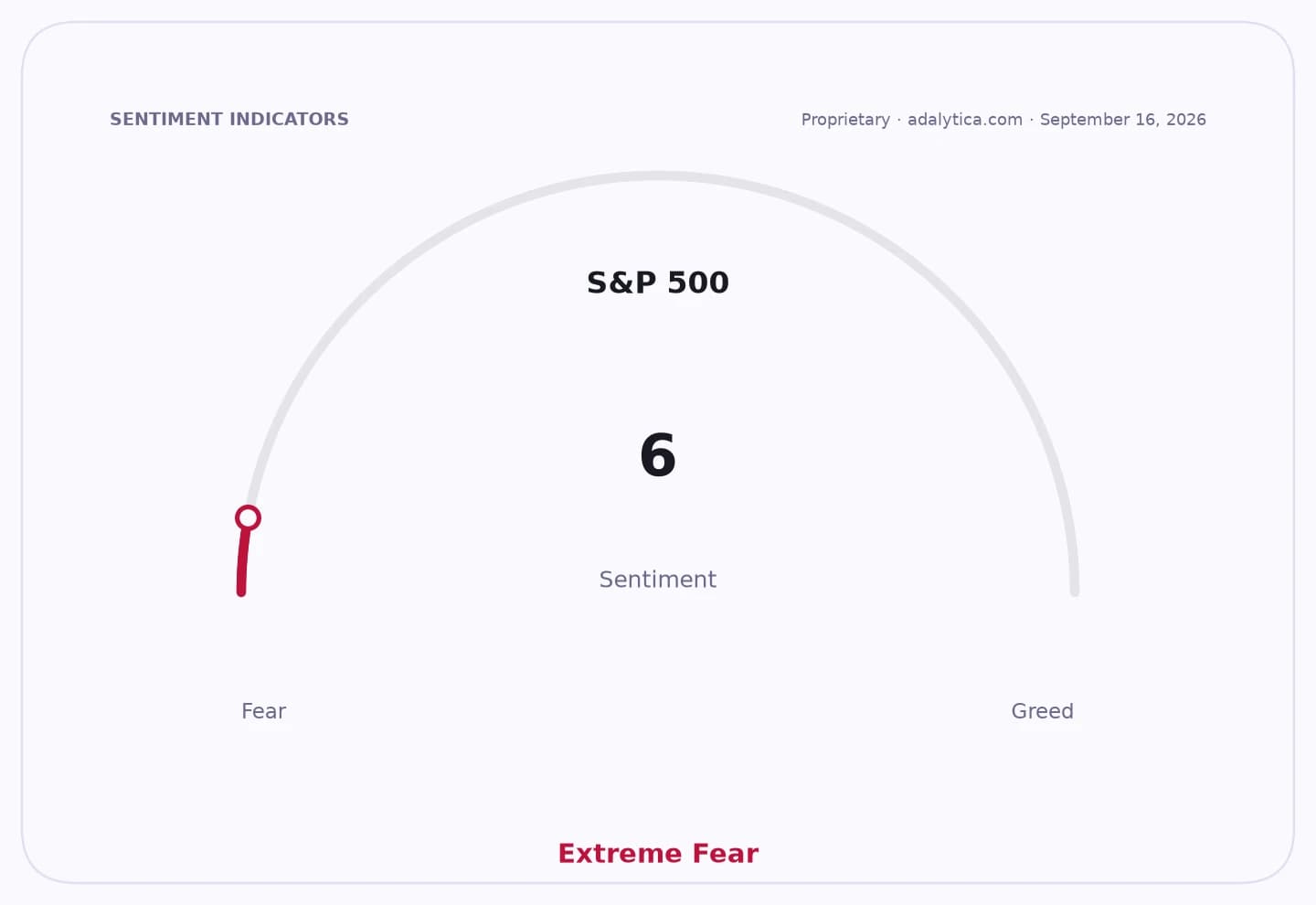
Sentiment IndicatorsⓘProprietary · adalytica.com · September 5, 2026
This is a snapshot — live sentiment, awareness and momentum for 130+ markets update continuously in the dashboard.Open AlphaPulse
The company’s latest filing showed China Mainland revenue of $407.1 million in the quarter, up from $392.9 million a year earlier on an unadjusted basis, but the currency-adjusted decline points to the underlying pressure investors care about. Lululemon has spent years positioning China as a long-run growth market, and the slide in the stock shows how quickly that narrative can come under strain when local demand softens or foreign-exchange tailwinds disappear. The move also comes against a backdrop of a U.S. consumer landscape where apparel spending remains selective and brands are being forced to fight harder for full-price sales.
For investors, the issue is less about one quarter of sales and more about whether China can still support Lululemon’s growth premium. If mainland demand keeps decelerating, the company may have to lean more heavily on promotions, new categories or fresh store openings to defend momentum, which would pressure margins. Bulls will argue the brand remains early in its China expansion and that premium wellness and athletic apparel still has a long runway there. Bears will point to the latest decline as evidence that the market may be maturing faster than expected and that Lululemon’s international diversification is not yet enough to insulate earnings growth.
Tesla was lower as the company formally rolled out the Cybercab for robotaxi service, a long-anticipated step in Elon Musk’s push to reposition Tesla around autonomous mobility rather than vehicle sales alone. But the launch also drew a fresh regulatory overhang: the U.S. National Highway Traffic Safety Administration opened a probe into the process and technical data Tesla used to self-certify the vehicles as compliant with federal safety standards. That adds to the execution risk around a business model investors still value on future autonomy, not current robotaxi revenue.
The contrast between the two names is telling. Lululemon is being punished for a slowdown in a core growth market that is already in the numbers, while Tesla is being judged on whether a promised new revenue stream can survive regulatory scrutiny. In both cases, investors are looking past the headline product launch and asking the same question: can these companies still justify growth-led valuations when the next leg of expansion looks less certain than before?
| Entity | Gains | Losses |
|---|---|---|
| Lululemon bulls | ▲Long-term China expansion case | ▼Near-term growth premium |
| Lululemon bears | ▲Slower China demand narrative | ▼Noisy but still profitable brand |
| Tesla autonomy bulls | ▲Robotaxi rollout milestone | ▼Regulatory risk from NHTSA probe |
| Tesla skeptics | ▲Scrutiny of self-certification process | ▼Near-term upside from Cybercab launch |