Luxor’s agriculture directorate is intensifying field inspections of corn harvests and sugar cane plantations at a time when Egyptian growers are under pressure to protect summer output and limit crop losses.
Luxor Inspects Corn and Sugar Cane Fields

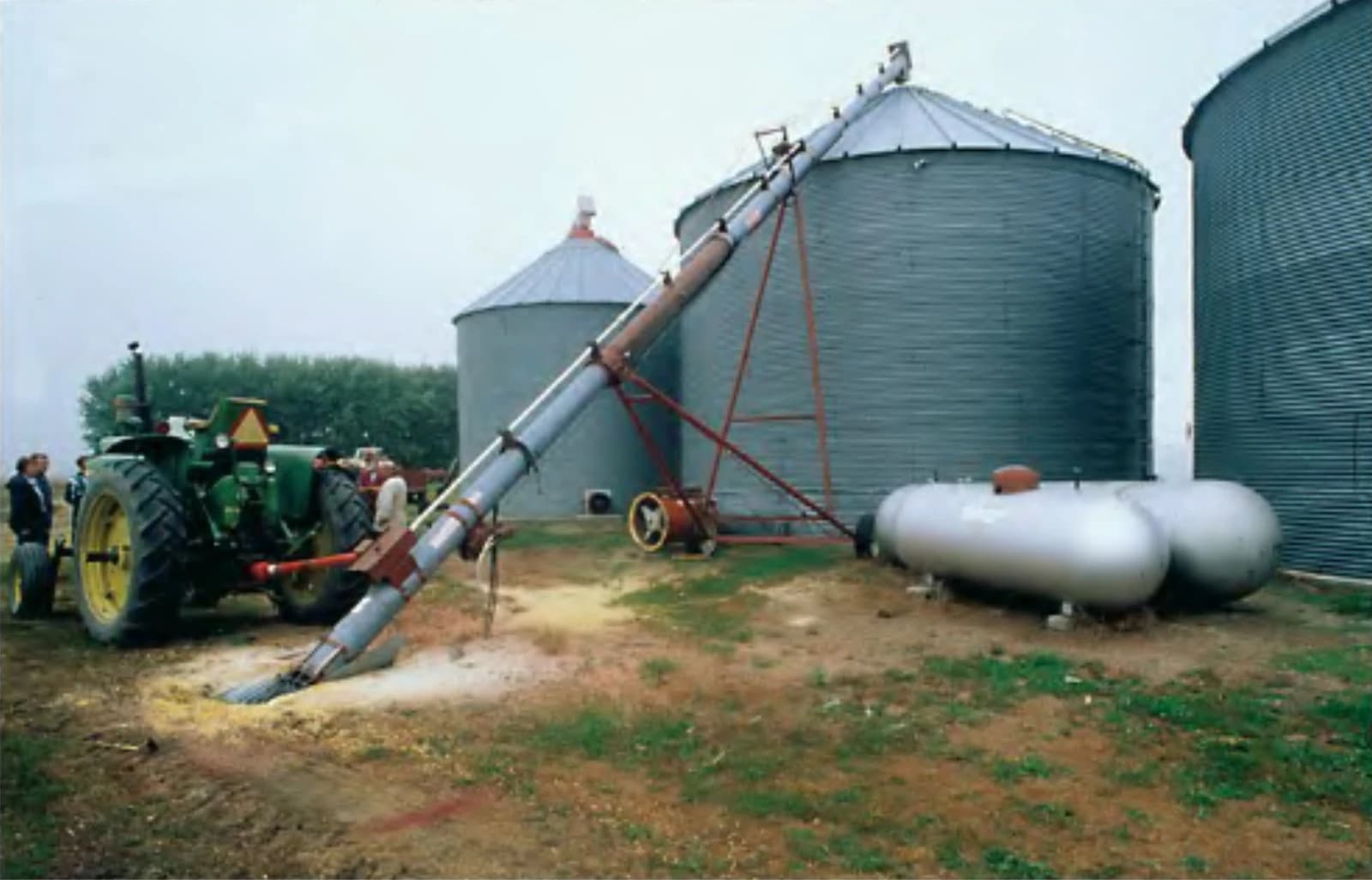
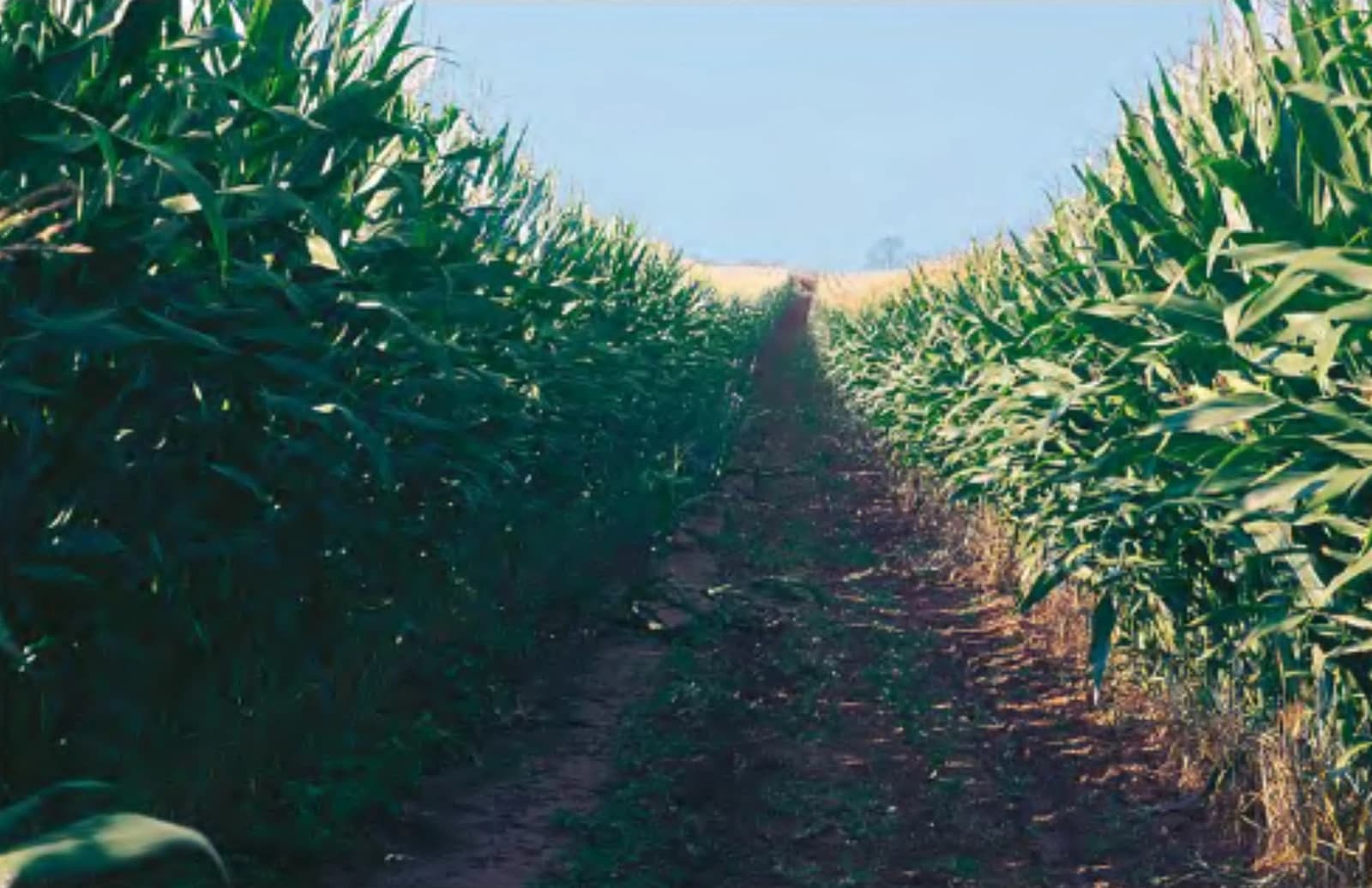
The latest visits in Esna and Luxor city focused on speeding up the harvesting of summer crops, particularly corn, while monitoring the Nile-season planting cycle and checking sugar cane fields for pests. Officials said the aim is to reduce waste, improve yields and prevent a wider spread of infestation at a time when agricultural output remains strategically important for food security and for the sugar industry.
Sentiment IndicatorsⓘProprietary · adalytica.com · September 7, 2026
This is a snapshot — live sentiment, awareness and momentum for 130+ markets update continuously in the dashboard.Open AlphaPulse
In Esna, the extension department reviewed corn harvesting schedules and urged farmers to use proper agronomic practices, modern irrigation and pest control to support healthy growth in the Nile-season crop. In Luxor city, a joint committee inspected sugar cane plots in Qasr, Hamad and the Zdbiya areas and found the crop broadly stable, but with limited soft scale insect activity in scattered patches.
That matters economically because corn is a key staple and feed crop, while sugar cane is a core input for Egypt’s domestic sugar chain. Even limited pest pressure can affect yields, raise treatment costs and complicate supply planning for mills and processors. With the agriculture ministry already pressing to safeguard strategic crops, the inspections reflect a broader effort to keep farm production on track despite weather and input-cost pressures that have weighed on agriculture across the region.
For investors, the immediate market impact is indirect but relevant. Better crop management can support supply stability in grains and sugar, two markets that are sensitive to yield disruptions and pest outbreaks. Any escalation in pest damage or harvest losses would tighten local supply, potentially increasing procurement costs for processors and import dependence if domestic output falls short. By contrast, stable field conditions reduce volatility for buyers and support downstream planning for sugar producers and food manufacturers.
The report also points to a familiar tension in agriculture: authorities can slow losses through monitoring and targeted spraying, but they cannot fully offset risks from climate variability, rising costs or delayed harvesting. The current round of inspections suggests the immediate situation is contained, but the wider outlook will depend on how well farmers maintain irrigation, apply treatments and execute harvests before field conditions deteriorate.
| Entity | Gains | Losses |
|---|---|---|
| Luxor farmers | ▲Technical support | ▼Pest-related losses |
| Sugar mills | ▲More stable cane supply | ▼Higher treatment costs |
| Corn buyers | ▲Smoother harvest flow | ▼Supply disruption risk |
| Pests | ▲Limited spread control | ▼Field containment |