Macau is weighing new registration rules for paid on-site photography services, a move that could tighten operating requirements for tourism-dependent businesses and add another layer of compliance risk for casino operators already navigating a more interventionist regulatory backdrop.
Macau Photography Rules Add Regulatory Pressure
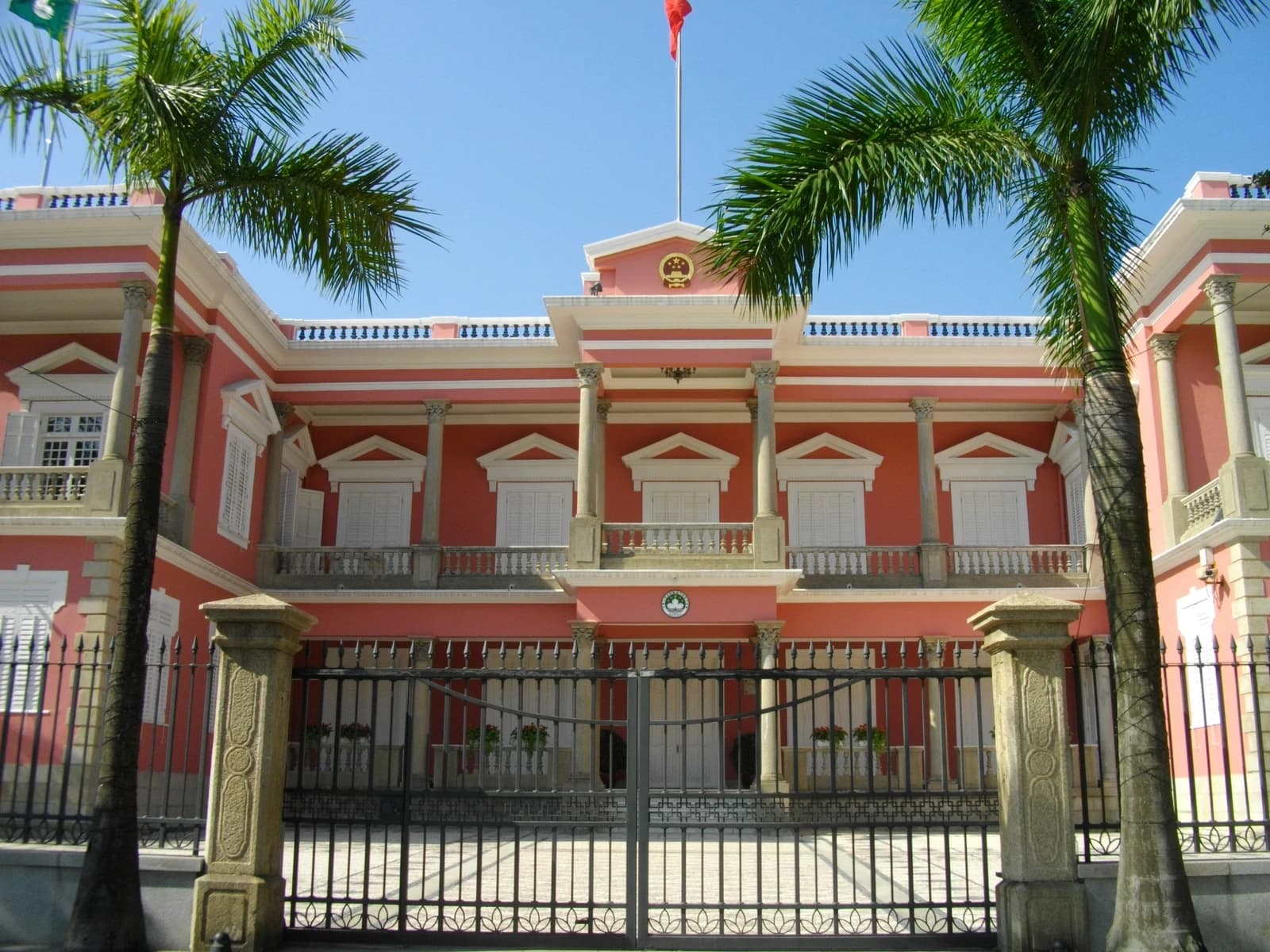
The proposal matters because Macau’s gaming and resort economy is tightly linked to discretionary tourist spending and the experience inside integrated resorts. Any step that formalizes or restricts ancillary services on casino property can affect foot traffic, non-gaming revenue and the pace at which operators monetize visitors beyond the gaming floor.
The issue is most relevant for Wynn Macau, MGM China and SJM Holdings, whose resorts depend on a mix of gaming, food and beverage, retail and leisure activity to support margins. Tighter rules on paid photography could limit a small but visible revenue stream, while also signaling that Macau authorities are still willing to press deeper into how concessionaires manage on-site commercial activity.
Investors have been watching Macau for signs that regulation could broaden after a series of policy adjustments affecting land use and concession terms. Wynn’s latest filings showed the Macau government had published an amended and restated land concession contract, underscoring how policy changes can move directly into operator economics and valuation multiples.
The stocks have also reflected a choppy backdrop. MGM closed at $45.54 on July 24 after climbing from $34.55 in September, while Wynn ended at $96.92, far below its 2025 high above $130, and SJM traded at HK$118.32. Technical readings show MGM’s 50-day average near $45.18, Wynn below its 50-day average of $99.97, and SJM above its 50-day average of $109.26, suggesting the group is still being repriced against policy and tourism assumptions rather than a clean recovery narrative.
For investors, the headline risk is not the photography business itself but the signal it sends: Macau regulators continue to scrutinize how operators and service providers use resort space and commercial rights. That keeps pressure on earnings visibility, particularly for names with heavy Macau exposure and less room to offset regulatory friction with other growth engines.
The next catalyst will be whether Macau turns the proposal into a broader licensing framework and whether gaming operators must absorb new compliance costs or revenue-sharing constraints.
| Entity | Gains | Losses |
|---|---|---|
| Macau regulators | ▲tighter oversight | ▼less operator flexibility |
| Casino operators | ▲clearer rules if adopted | ▼compliance costs |
| Visitors/tourists | ▲more formalized services | ▼fewer paid photo offers |
| Ancillary service providers | ▲legitimacy from registration | ▼higher barriers to entry |