Macro Metals is leaning into the one thing that can still attract attention in a soft iron ore market: near-surface Pilbara assets with road and port access and early grades that already top 63% iron.
Macro Metals targets Pilbara iron ore near ports
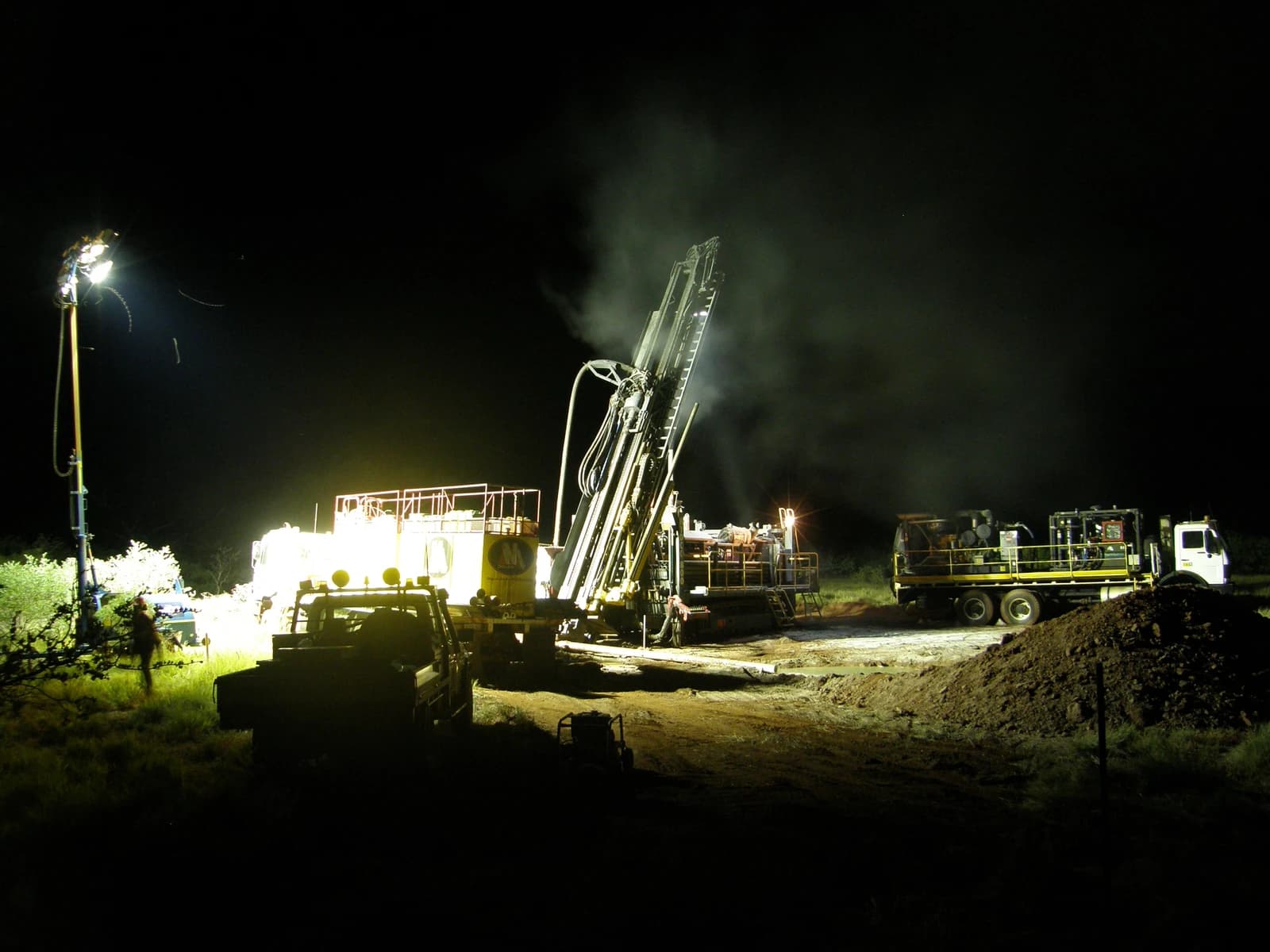
For a junior explorer, the economic case is not about scale today but about optionality. Projects that can be reached by established haul roads and export corridors need less upfront capital, face fewer infrastructure hurdles and have a clearer path to direct-shipping ore, which is the kind of product larger miners and traders can move without the processing intensity of lower-grade material.
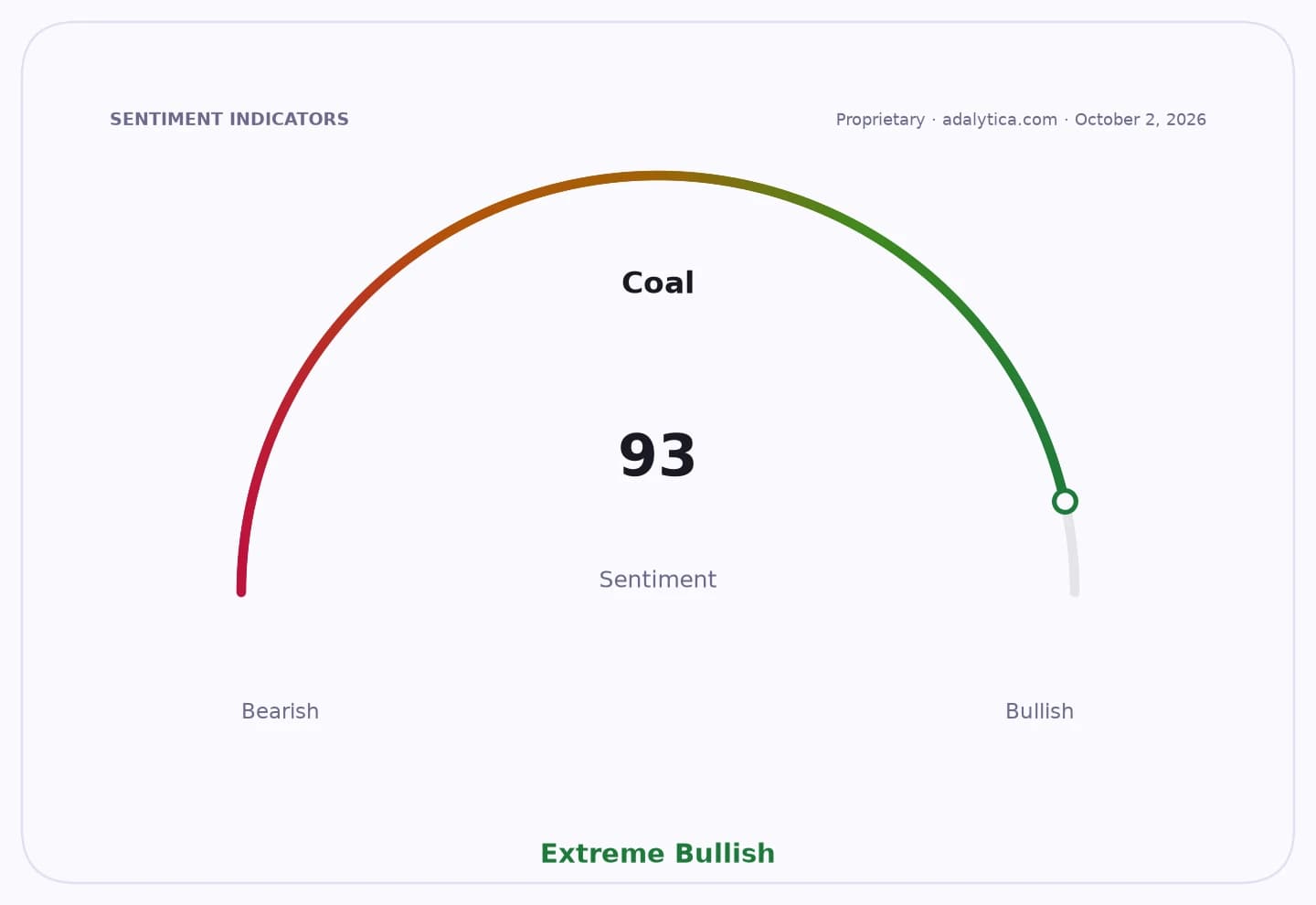
Sentiment IndicatorsⓘProprietary · adalytica.com · October 6, 2026
This is a snapshot — live sentiment, awareness and momentum for 130+ markets update continuously in the dashboard.Open AlphaPulse

The company’s latest push is centred on Cane Bore, Catho Well and Goldsworthy East, all in Western Australia’s Pilbara, where proximity to Onslow Port, Port Hedland and major haulage corridors is as important as geology. Macro Metals said surface rock-chip sampling at Cane Bore returned iron grades above 63% Fe, a level that, while preliminary, is high enough to reinforce the appeal of shallow, potentially direct-shipping ore in a region dominated by logistics economics as much as resource quality.
That matters because the iron ore market is not especially forgiving right now. Benchmark ore prices have softened as Chinese steelmakers pull back after pre-holiday stockpiling, and broader sentiment around bulk commodities remains cautious. In that environment, juniors need either a truly exceptional deposit or a route to market that keeps capital intensity low. Macro Metals is clearly choosing the second path, narrowing its portfolio toward Australian iron ore and away from non-core options such as the Aurora lithium project.
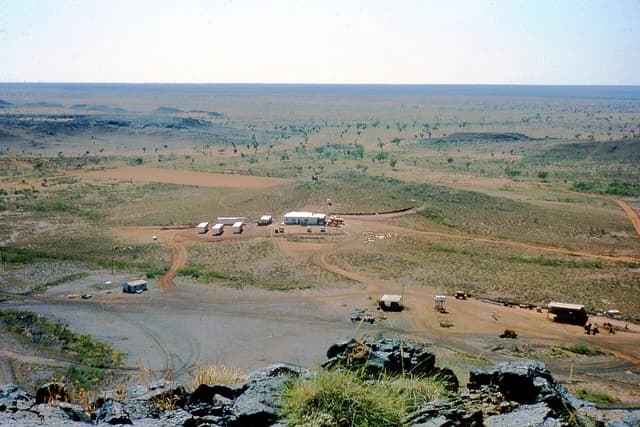
The strategy also fits the broader Pilbara playbook. Western Australia remains the highest-value jurisdiction for small iron ore hopefuls because the region already has the roads, rail and port systems that can make a marginal deposit viable. A project near Onslow Port or connected to Port Hedland infrastructure can carry a valuation premium over a remote asset with similar grades simply because it reduces the cost and execution risk of getting product to ship.
Investors will look at Macro Metals through that lens: as a low-capex optionality story rather than a near-term producer. The bull case is that the company’s surface sampling, mapping and heritage work are enough to justify maiden drilling and, eventually, a resource that could support DSO economics. The bear case is familiar in the Pilbara junior space — good-looking surface numbers do not always translate into mineable tonnage, and infrastructure proximity cannot compensate for disappointing thickness, continuity or metallurgy.
The company’s focus on base metals and VMS prospects provides some diversification, but the market is likely to value Macro Metals mainly on whether its iron ore projects can move beyond reconnaissance and into drilling-defined ounces of tonnage, grade and logistics. With Chinese demand still uneven and global iron ore prices under pressure, the next catalyst will be whether fieldwork at Cane Bore, Catho Well and Goldsworthy East converts a geographic advantage into a credible development case.
| Entity | Gains | Losses |
|---|---|---|
| Macro Metals | ▲Lower-capex exploration story | ▼Capital allocation risk |
| Pilbara infrastructure hubs | ▲More junior activity | ▼Limited if projects disappoint |
| Steelmakers | ▲Potential future ore supply | ▼Higher-cost ore if market tightens |
| Iron ore bears | ▲Softer spot-price backdrop | ▼Less if DSO projects advance |