Malawi has raised minimum wages across key sectors, a move that should lift pay for low-income workers but is likely to deepen pressure on employers already battling higher taxes, rising living costs and weak demand.
Malawi raises minimum wages across key sectors
The new rates, gazetted to take effect on June 1, 2026, increase domestic workers’ minimum monthly pay to K83,720 from K72,800, while commercial workers will receive K157,500, up from K126,000. Shop workers’ minimum has been set at K187,500, and employers with annual turnover of K500 million or more must now pay at least K200,000 a month, from K150,000 previously.
Sentiment IndicatorsⓘProprietary · adalytica.com · September 6, 2026
This is a snapshot — live sentiment, awareness and momentum for 130+ markets update continuously in the dashboard.Open AlphaPulse
For an economy where the Centre for Social Concern says a basic needs basket for an average urban family of six tops K1.1 million a month, the wage revision is a partial attempt to catch up with the cost of living rather than a real recovery in household purchasing power. The government is also trying to balance competing demands from trade unions and employers after months of negotiations.
The economic trade-off is stark. Higher pay should help cushion workers against a six-percentage-point VAT increase and the new tax on residential rental income, both of which have fed through into prices. But for firms operating on thin margins, the higher wage floor raises labour costs at a time when cash flow is already under strain.
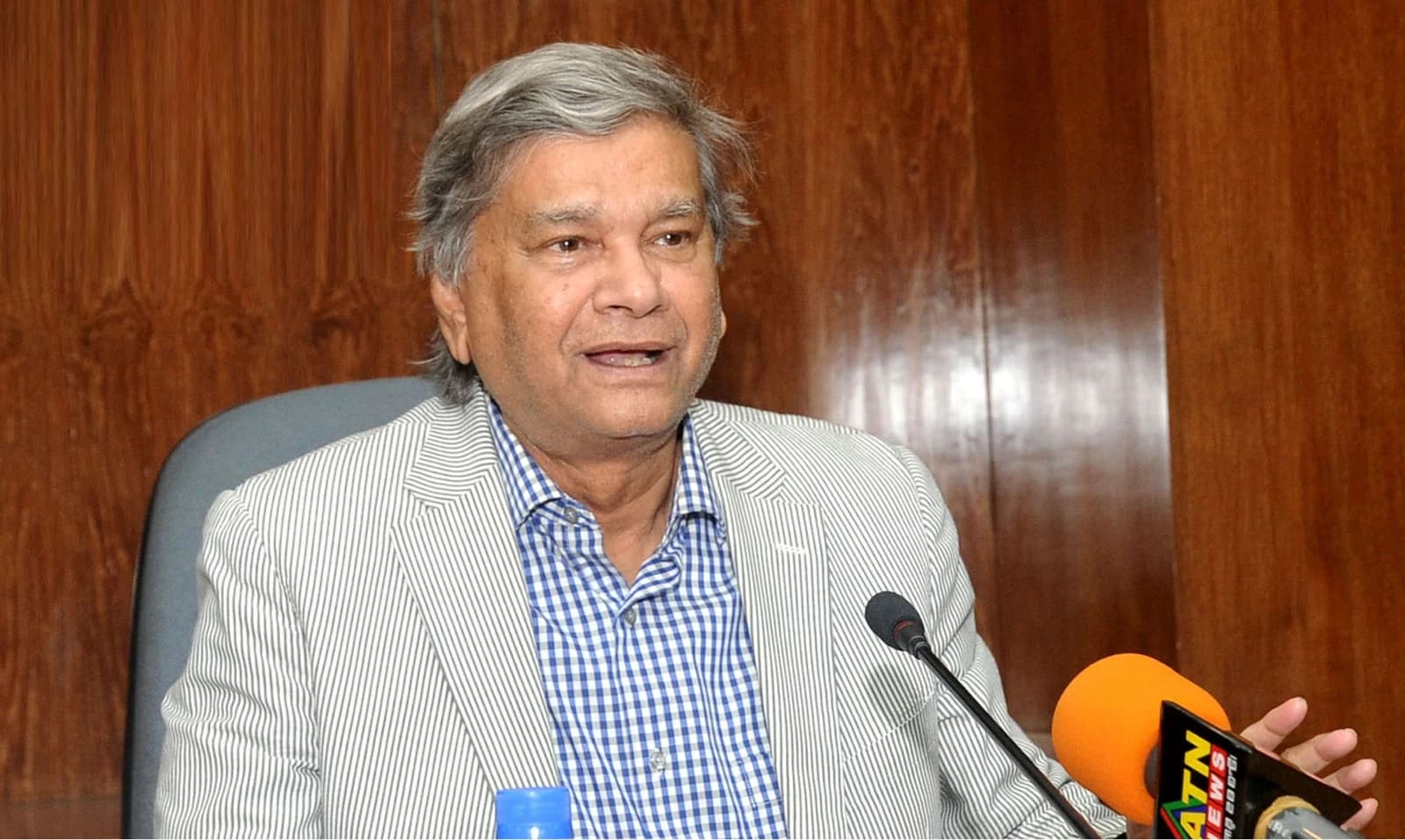
That is why employers and consumer groups are warning about retrenchments and closures. Employers Consultative Association of Malawi executive director George Khaki welcomed the adjustment but said some businesses may not be able to afford the new rates. Consumers Association of Malawi executive director John Kapito went further, arguing the increase could destroy jobs because many employers earn little more than the new pay floor.
The policy also highlights a deeper structural problem: enforcement. Malawi’s Employment Act already bars pay below the legal minimum, but compliance has long been patchy. A higher wage on paper does not automatically translate into higher incomes if inspectors are weak or firms move workers off the books.
For investors, the bigger read-through is on consumption, margins and policy credibility. The wage hike is mildly supportive for domestic demand, especially in retail and consumer staples, if households actually receive the additional cash. But it is negative for labour-intensive businesses, formal and informal, that cannot easily pass through higher costs.
The upside case is that the adjustment helps prevent a further erosion of real wages and supports demand in a sluggish economy. The downside is that, without productivity gains or tighter cost control, it accelerates layoffs, informal hiring and business failures.
For Malawi policymakers, the next test is not the gazette itself but enforcement and whether the government can avoid layering wage relief on top of tax measures that keep squeezing employers and consumers alike.
| Entity | Gains | Losses |
|---|---|---|
| Low-wage workers | ▲Higher monthly pay | ▼Risk of fewer jobs |
| Employers | ▲Clearer wage rules | ▼Higher labour costs |
| Consumers | ▲Potentially stronger demand | ▼Risk of higher prices |
| Government | ▲Political relief | ▼Enforcement burden |