Manchester United’s latest financing moves underscore that its turnaround is being built on leverage, not just sporting ambition.
Manchester United’s Debt-Fueled Stadium Bet
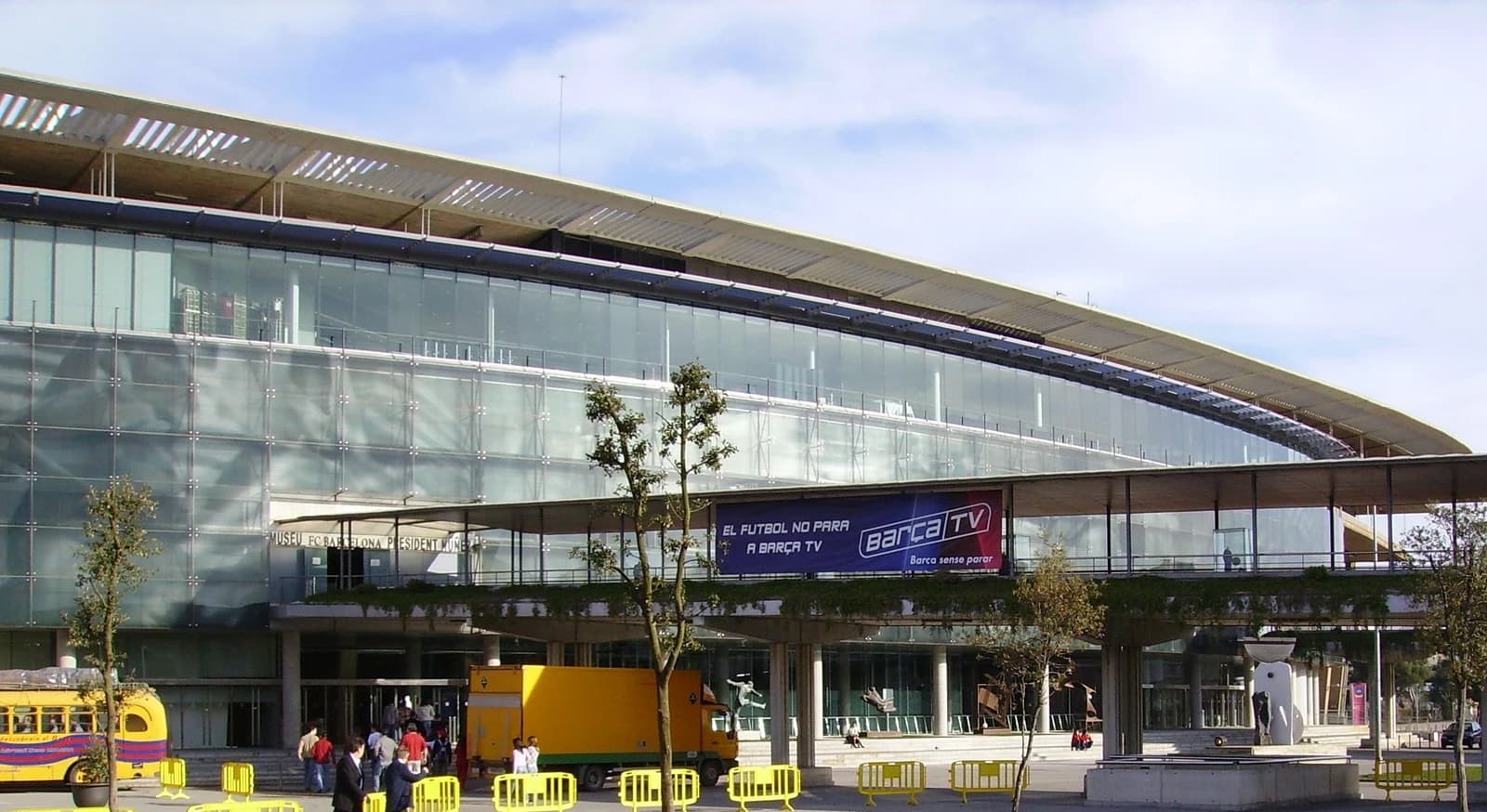
The club’s indirect subsidiary raised $550 million in senior secured notes in June, part of a broader effort to fund an expensive overhaul of Old Trafford and the wider regeneration project while carrying a debt burden that is now large enough to shape every strategic decision. For investors, the issue is no longer whether Manchester United can spend on growth; it is how much of that growth will be consumed by financing costs, execution risk and the pressure to convert stadium plans into durable cash flow.

That matters because football clubs with global brands can command rich valuations, but debt changes the equation. Heavy borrowings compress financial flexibility, raise refinancing risk and make equity holders more exposed to swings in matchday revenue, broadcasting income and commercial deals. Manchester United is effectively trying to do what many highly leveraged asset owners attempt: use long-dated capital to fund a transformation that could lift enterprise value, while hoping operating performance improves quickly enough to justify the structure.
The club’s 5.36% senior secured notes show lenders are still willing to back the franchise, but on terms that reflect the scale of the commitment. Senior secured paper protects creditors ahead of equity and forces management to preserve cash and collateral. That is useful if stadium redevelopment succeeds, but it also leaves less room for error if costs rise, construction timelines slip or on-pitch results weaken revenue growth.
The investment case therefore splits into two narratives. Bulls will argue that Manchester United remains one of the world’s most valuable sports brands, with unmatched commercial reach and a stadium project that could expand long-term earnings power. The regeneration plan attached to the new stadium could create a structural uplift in matchday economics and local development benefits if executed well. Bears will counter that the club is layering debt on top of operational volatility, while the return on a capital-intensive rebuild is uncertain and likely distant.
The broader market implication is that Manchester United is moving from a pure sports equity story to a capital-structure story. That tends to benefit lenders and any counterparties tied to the stadium project, but it puts pressure on shareholders to judge whether the eventual uplift in revenue can outrun debt service and construction spending. The recent share-price action suggests investors are still willing to pay for the upside, but the technical backdrop also shows momentum has cooled from earlier highs, with the stock trading well below its recent peak and oscillating around the 50-day moving average rather than breaking decisively higher.
For investors, the key question is whether Manchester United can translate brand value into higher recurring cash generation before financing costs crowd out the upside. If the club delivers stadium progress, stronger commercial income and better sporting performance, the debt can look like a bridge to a richer asset. If not, the debt becomes the story.
| Entity | Gains | Losses |
|---|---|---|
| Manchester United lenders | ▲Senior collateral, fixed income return | ▼Refinancing risk if cash flow weakens |
| Manchester United equity holders | ▲Stadium upside, brand leverage | ▼Dilution of flexibility, financing burden |
| Construction and regeneration partners | ▲Multi-year project pipeline | ▼Delay risk if funding tightens |
| Rival clubs with cleaner balance sheets | ▲Less leverage risk, more flexibility | ▼Lose attention to their own growth stories |