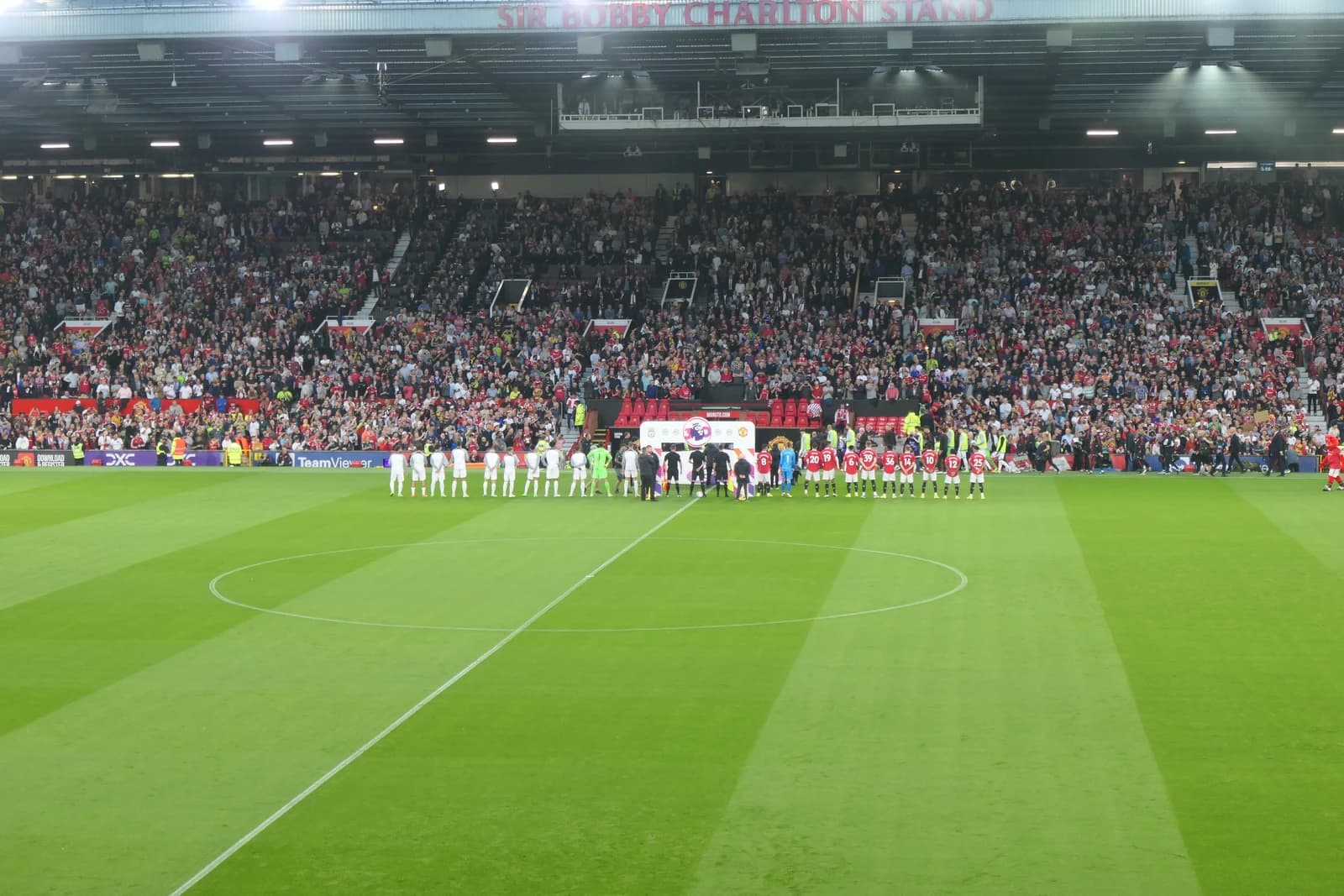
Manchester United’s push to build a new stadium and regenerate land around Old Trafford is emerging as a real economic story, not just a sports one. For investors, the key point is that elite football is no longer only about matchday revenue and merchandise — it is increasingly tied to construction spending, housing, local employment and long-term urban development.
Manchester United Stadium Plan and Stock Gains
The club says its 370-acre regeneration project could deliver about 15,000 new homes, including affordable units, create 48,000 local jobs and more than 90,000 jobs nationally, while adding more than £7 billion a year to the U.K. economy. That is the kind of scale governments and investors pay attention to, because it turns a Premier League club into a multi-year infrastructure and property catalyst.
For Manchester United, the opportunity is bigger than a new venue. A modern stadium can expand commercial income, improve the matchday experience and strengthen the club’s brand globally. More importantly, it gives the business a tangible asset around which it can build a broader real-estate and entertainment ecosystem. In a world where top sports franchises increasingly compete on balance-sheet strength and recurring cash flow, that matters.
The market has started to reflect that optimism in the shares, which have climbed from about $15.78 in December to $20.29 on Sept. 14. That recovery still leaves the stock below its recent highs, but it suggests investors are willing to look through near-term volatility if they believe the stadium and regeneration plan can unlock durable value over several years. Technical readings also show the stock has cooled after a strong run, with the 50-day moving average above the current price and RSI readings well off earlier overbought levels.
There are still risks. Stadium projects are expensive, slow and politically sensitive, especially when they touch housing, infrastructure and public planning. Manchester United also remains a football club first, which means results on the pitch, player spending and management execution will continue to drive sentiment. For long-term investors, that is exactly why this is a story best approached with patience rather than excitement.
The bigger takeaway is that football’s economic footprint is widening. Clubs with global brands, real estate optionality and credible development plans can become engines of local growth as well as investor returns. Manchester United is trying to prove it can be one of them, and that makes the stock worth watching for anyone interested in how sport, property and long-term compounding can intersect.
| Entity | Gains | Losses |
|---|---|---|
| Manchester United | ▲New revenue streams | ▼Execution risk |
| Local workers and contractors | ▲Construction jobs | ▼Project delays |
| U.K. economy | ▲Regional investment | ▼Public-planning strain |
| Rival clubs without assets | ▲— | ▼Competitive gap widening |