MARA Holdings’ latest blockchain transfers have put a fresh spotlight on one of crypto’s most important supply questions: whether the miner is turning its Bitcoin treasury into cash just as the market loses momentum and liquidity thins.
MARA Holdings Transfers 1,000 Bitcoin to Binance

Wallets tied to MARA sent 1,000 bitcoin, worth about $82.8 million, to Binance and Gate over five days, according to Lookonchain, reviving speculation that the company may be selling part of its stash. The deposits follow an earlier October transfer of 996 BTC to a Galaxy Digital-linked address, making this the second large MARA-linked movement flagged this month.
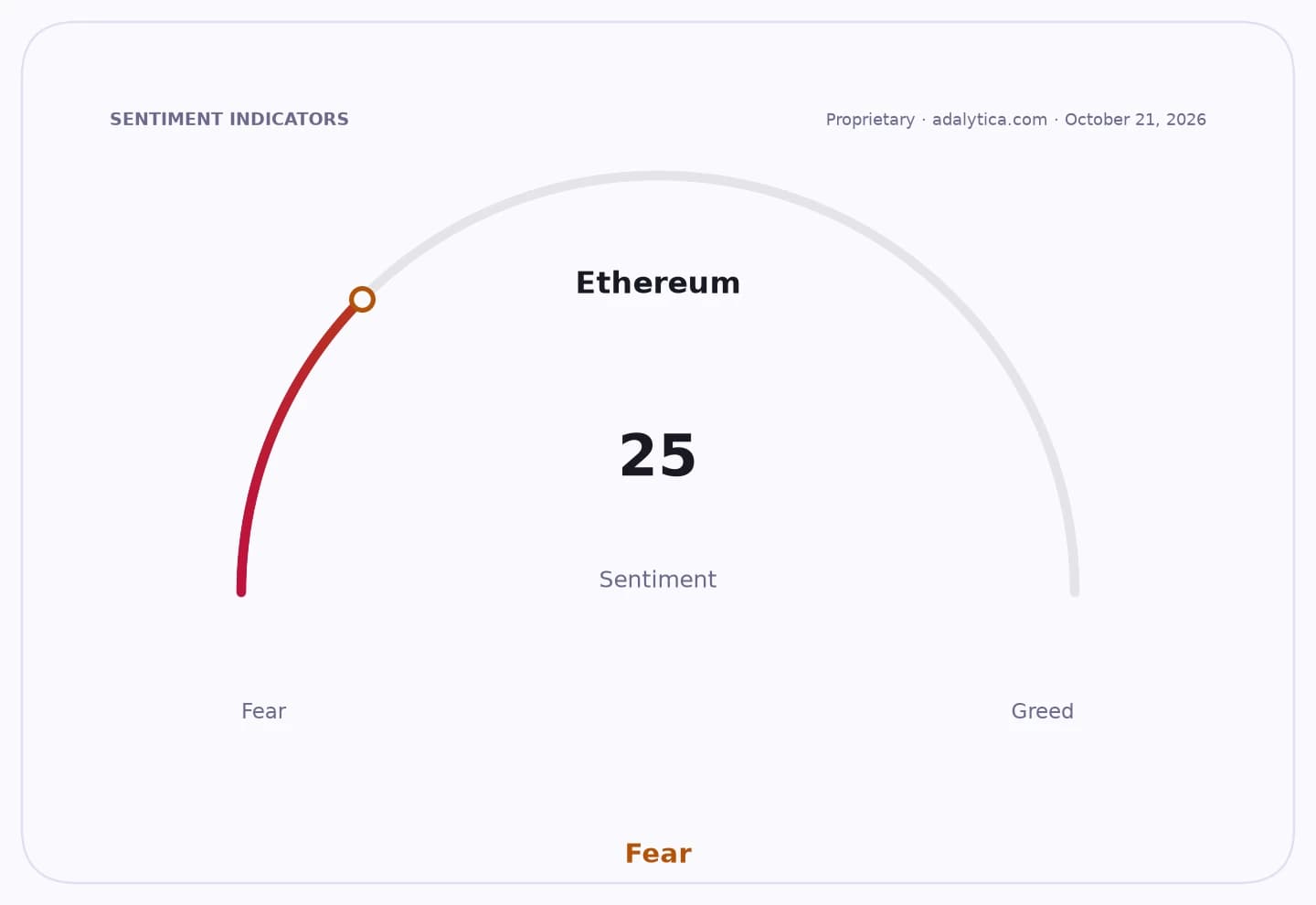
Sentiment Indicators
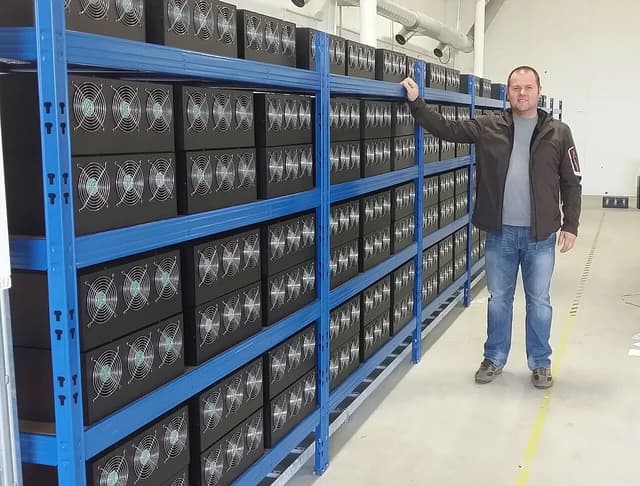
That matters because MARA is not a marginal holder. The company said it owned 35,577 BTC at the end of June, including coins pledged or loaned out, so the latest 1,000 BTC flow amounts to only about 2.8% of disclosed holdings — not a fire sale, but enough to matter when Bitcoin is struggling to absorb new supply.
Investors care for a simple reason: miners are natural sellers when margins tighten, and MARA has already shown it will sell opportunistically. It sold 2,213 bitcoin in the second quarter at an average price of $73,078 and also unloaded 15,133 BTC in March to help fund convertible-debt buybacks. The company has said it may continue selling Bitcoin when it sees fit, which means the deposits are plausible evidence of monetization even if they do not prove a completed sale.
Bitcoin
That uncertainty lands in a fragile market. Bitcoin has just slipped under $80,000, while ETF demand has softened and liquidity remains thin, conditions that can magnify the price impact of any large miner distribution. Conventional technical indicators are also weak: Bitcoin is trading below its 50-day moving average, the 14-day RSI is still depressed, and momentum remains negative, underscoring how easily supply shocks can pressure the tape.
The broader setup is what the market may be underestimating. When miner sales, ETF outflows and cautious risk appetite hit at the same time, Bitcoin becomes less a story about conviction buying and more a story about who is willing to absorb supply. That is where MARA matters most: if the company is trimming exposure, it adds to the pool of coins the market must finance right when demand looks least reliable.
For investors, the next catalyst is MARA’s third-quarter report, which should help clarify whether the exchange deposits were routine treasury management or actual sales. Until then, the trade is straightforward: Bitcoin bulls need evidence that institutional and ETF demand can outrun miner supply, while MARA remains a high-beta way to express that contest.
| Entity | Gains | Losses |
|---|---|---|
| MARA Holdings | ▲Cash flexibility | ▼Bitcoin exposure |
| Bitcoin miners | ▲Treasury monetization | ▼Margin pressure |
| Bitcoin bulls | ▲Clearer supply data if no sale | ▼Near-term selling pressure |
| ETF buyers | ▲Potential dip entry | ▼Weaker demand backdrop |