Ethereum is getting two very different signals this week: a viral moment from co-founder Vitalik Buterin at Devcon in Mumbai, and a far more consequential institutional bet from Bitmine Immersion Technologies, which has almost reached its goal of controlling 5% of the network’s supply.
Ethereum Nears Support as Bitmine Buys More ETH
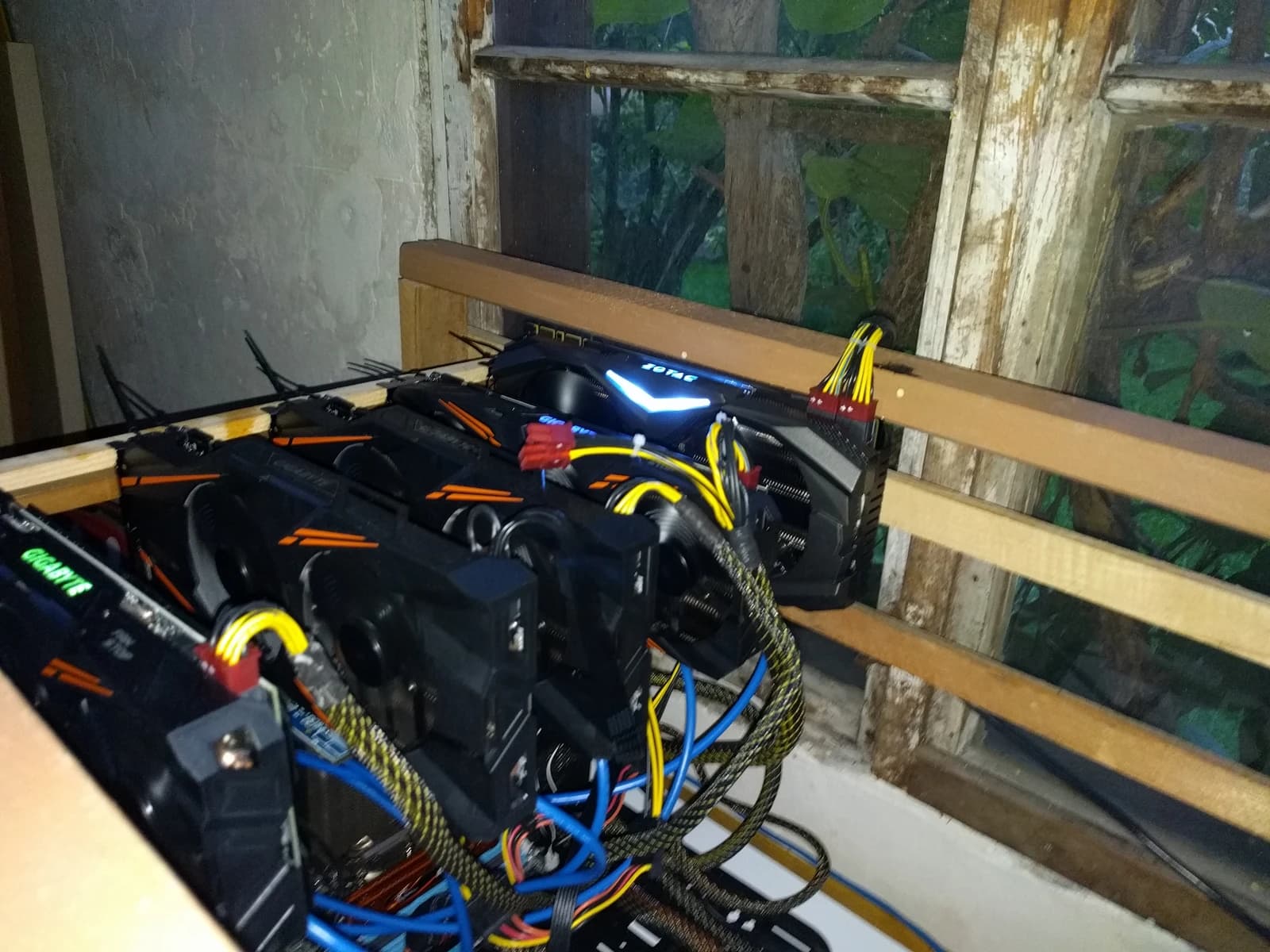
The contrast matters because Ethereum’s price recovery still hinges less on conference theater than on whether large holders keep absorbing supply while the market digests ETF outflows, weak sentiment and a technically damaged chart. Bitmine’s latest disclosure shows it added 8,573 ETH in the most recent week, lifting holdings to 6,060,506 ETH as of Nov. 1, worth about $13.7 billion at a current price of $2,261. That amounts to roughly 4.9% of all ETH in circulation, putting the company almost exactly at its target.
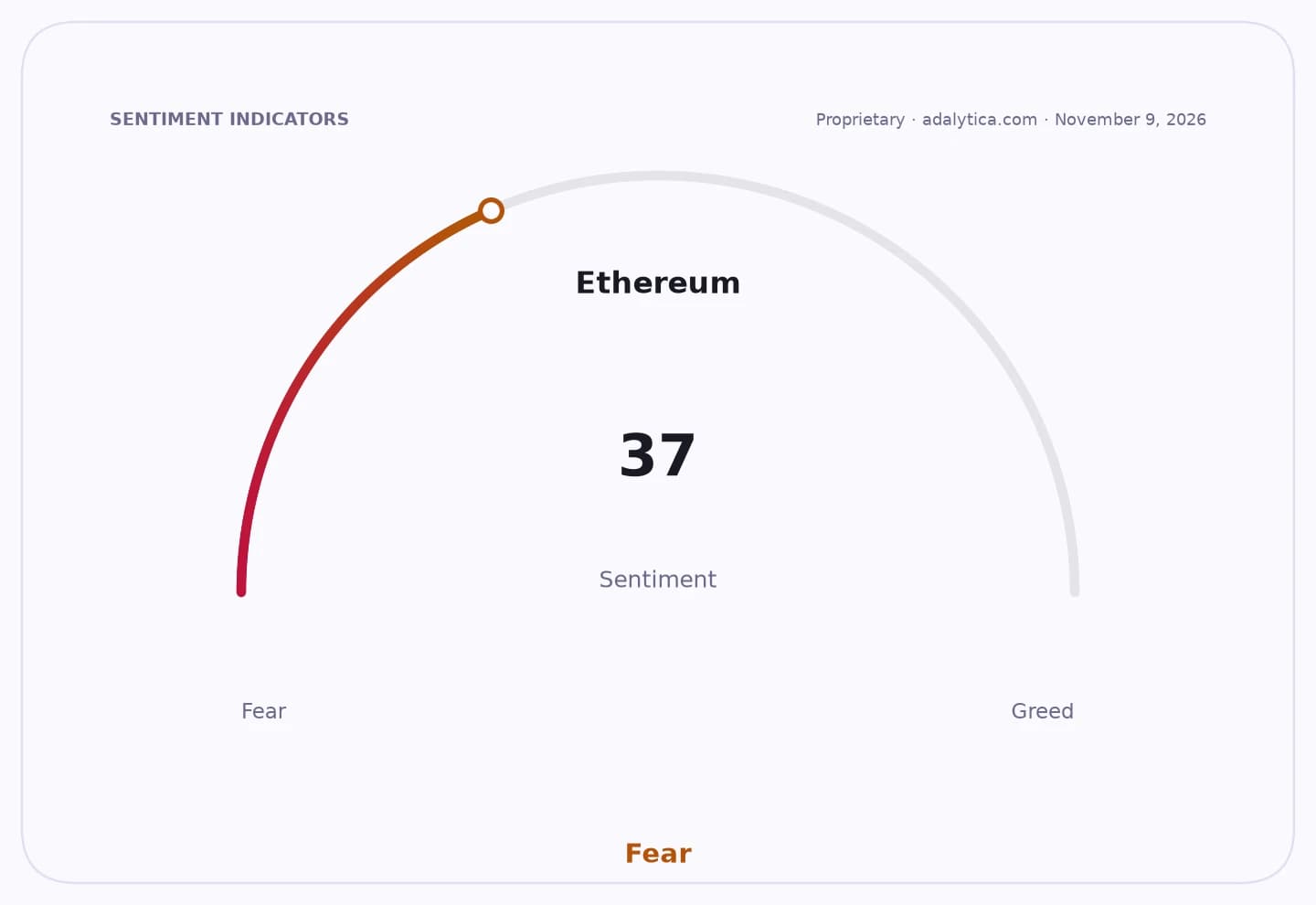
Sentiment Indicators
For investors, the headline is not just the scale of the position but the structure of the trade. Bitmine has staked 5.23 million ETH, or 86% of its holdings, and says that position could generate about $358 million in annualized rewards, rising to $415 million if the full treasury were staked. That turns the company into both a buyer and a yield collector, which helps explain why it is continuing to add even as Ethereum trades well below its prior highs.
The economics are straightforward: if a single listed company is sitting on nearly one in every 20 ETH in existence, it reduces immediate float and raises the bar for any sustained price recovery. That can be supportive for ETH if demand returns, but it also creates concentration risk. If the thesis weakens, the unwind pressure from such a large treasury could amplify volatility.
Bitmine’s buying also lands at a sensitive point for Ethereum. The token has been under pressure despite occasional bursts of strength, and recent market data show it still trading below key technical levels. At around $2,261, ETH remains well under its 50-day moving average of about $2,506, while the relative strength index has improved from deeply oversold levels but is still far from a decisive trend reset. The next test is whether ETH can reclaim the $2,300-$2,315 zone, which traders have been watching as a near-term resistance area. Failure there would leave the market vulnerable to another leg lower.
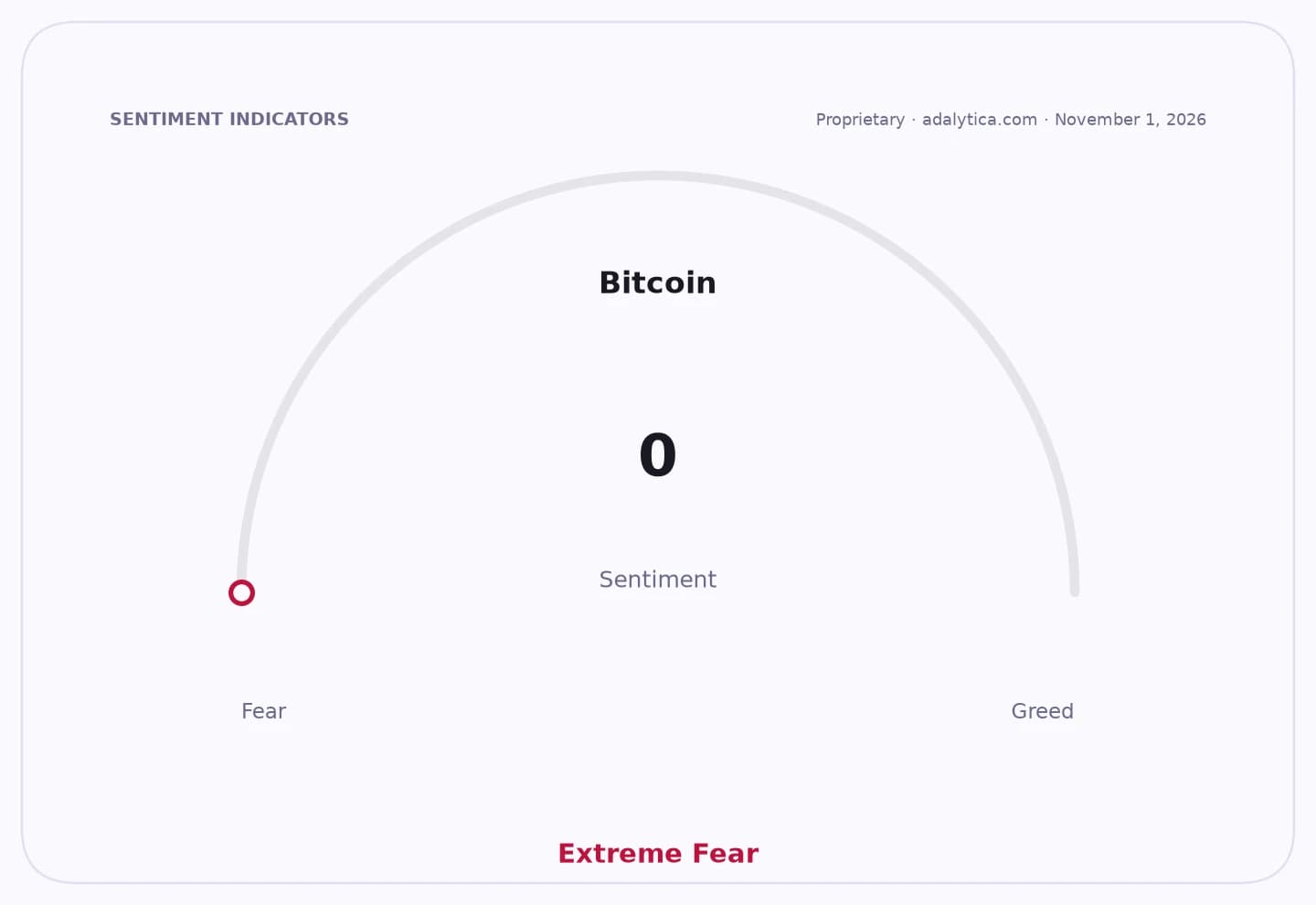
The backdrop is not encouraging. U.S. spot Ethereum ETFs saw sizable outflows in October, and a broader supply overhang has kept buyers cautious. Adalytica’s Ethereum Fear & Greed Index is at 2, or extreme fear, even as awareness remains at 100, underscoring how dominant the asset is in market attention without attracting commensurate conviction.
That is why the Devcon scene in Mumbai matters mostly as a cultural footnote. Buterin’s green cloak and smiling mask gave the conference a viral moment, but the market signal is Bitmine’s persistence. As long as institutions keep treating ETH as a treasury asset rather than a trading chip, the network gets a structural bid. The bullish case is that staking yields and scarce float eventually pull capital back in; the bearish case is that ETF outflows, weak sentiment and the lack of a clean breakout keep Ethereum trapped until macro risk appetite improves.
For now, Bitmine has nearly reached its accumulation goal. Whether that becomes a turning point for Ethereum depends on whether other investors follow its lead or use the rally to sell into strength.
| Entity | Gains | Losses |
|---|---|---|
| Bitmine Immersion Technologies | ▲Larger ETH treasury; staking yield | ▼Concentration risk |
| Ethereum bulls | ▲Supply absorption narrative | ▼Need for a technical breakout |
| ETH bears / short sellers | ▲Volatility to fade rallies | ▼Scarcity from continued buying |
| ETF holders and momentum traders | ▲Potential rebound if demand returns | ▼Ongoing outflows and weak price action |