BitMine Immersion Technologies is turning itself into one of the biggest balance-sheet bets in crypto, and that matters because it keeps pulling more Ethereum out of circulation while tying the company’s fate ever more tightly to the long-term value of the network.
BitMine ETH Holdings Near 5% of Supply
The company said its ETH holdings reached 6,060,506 tokens as of Nov. 1, up from 5,227,037 staked ETH, with total crypto, cash and marketable securities at $14.5 billion. BitMine now says its Ethereum stash equals 4.9% of the entire ETH supply, putting it within striking distance of its stated goal of owning 5% of the token’s outstanding supply.
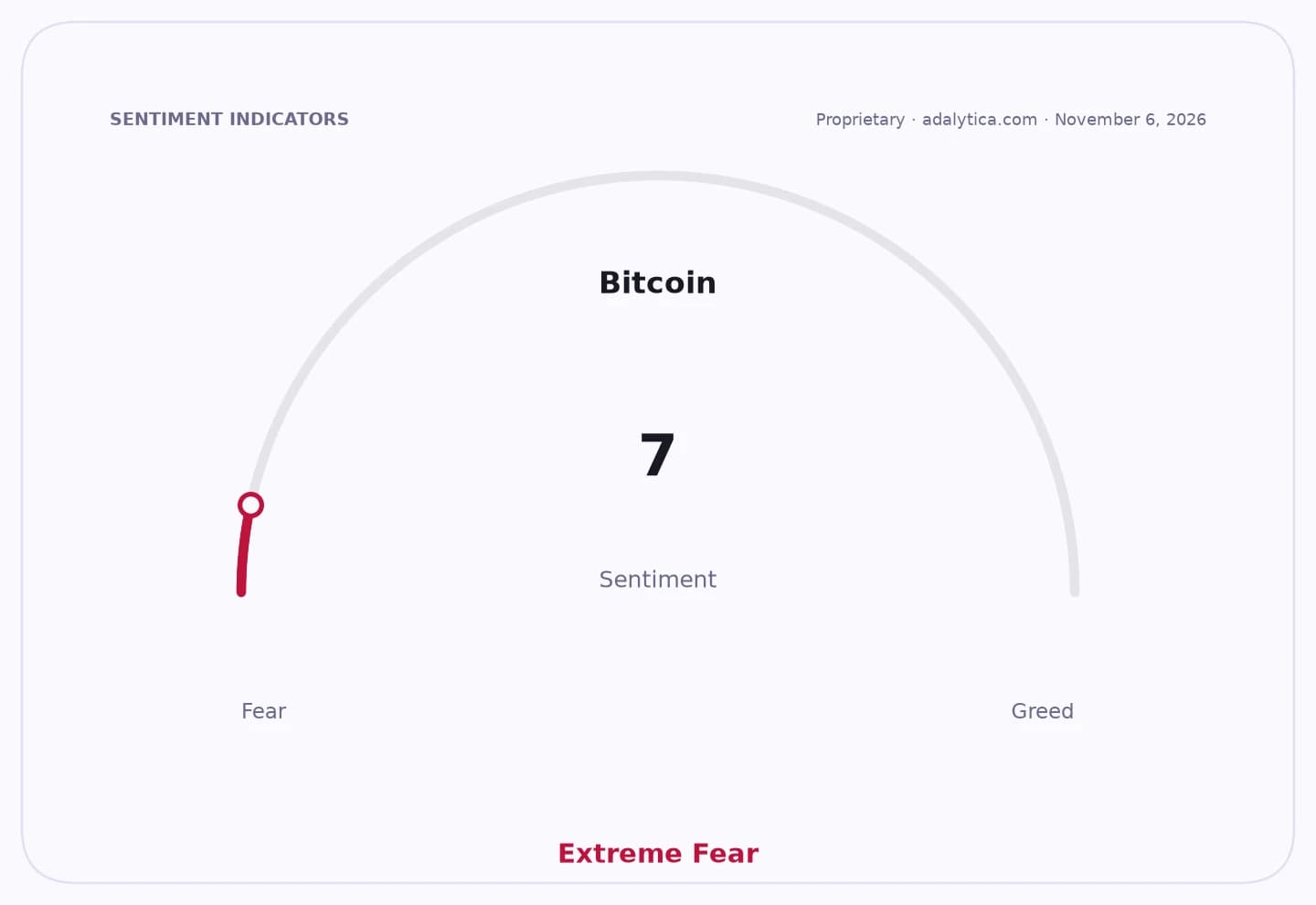
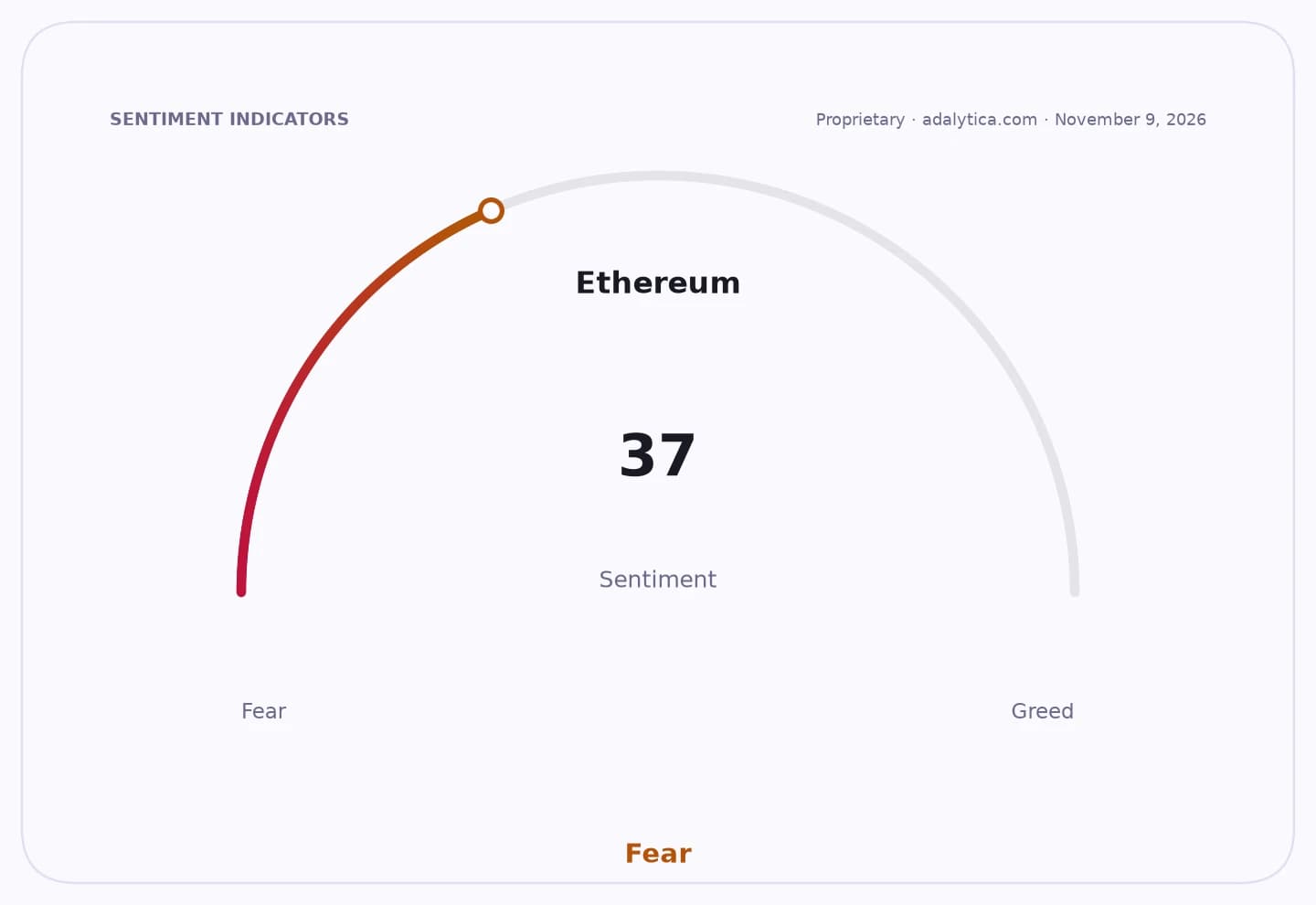
Sentiment Indicators
For investors, the message is simple: BitMine is no longer just a miner or a small-cap digital asset company. It is an Ethereum treasury vehicle with operating businesses attached, and that makes it one of the purest listed proxies for institutional Ethereum exposure. The stock’s appeal depends less on quarterly earnings and more on whether Ethereum remains the dominant blockchain for staking, tokenization and on-chain financial activity.
That also helps explain why BitMine’s management is talking about resilience in the broader crypto market after Binance’s latest security breach. Chairman Tom Lee argued the relatively muted ETH reaction compared with past hacks shows the market has matured. Whether or not that proves true, it underscores the company’s core pitch to shareholders: crypto is becoming sturdier, institutions are getting more comfortable, and large, persistent holders can benefit from that normalization over years, not days.
BitMine also said it added 8,573 ETH in the latest week and has bought ETH every week since launching its treasury strategy in June 2025. That kind of discipline is exactly what long-term crypto investors tend to reward, because it turns volatility into accumulation. The company says 5.227 million ETH are already staked, and if all of its holdings were fully staked through its MAVAN platform and partners, annualized staking revenue could reach about $415 million, based on its own assumptions.
That is where the real economic logic lives. Staking turns Ethereum from a purely speculative asset into a productive one, generating yield while also giving BitMine a way to compound its position. If Ethereum adoption keeps expanding and staking economics remain attractive, the company’s treasury model could become more powerful over time. If ETH weakens sharply, the leverage cuts the other way.
BitMine’s profile is now unusual even by crypto standards. It ranks as the world’s largest ETH treasury and says it is second only to Strategy among corporate digital-asset holders overall. It also has smaller “moonshot” stakes, including Beast Industries and Eightco Holdings, which add optionality but also complexity. For investors, the main story is still the same: BitMine is making a concentrated, high-conviction bet that Ethereum will become a cornerstone asset of the next financial cycle.
That can work beautifully in a bull market, but it also demands patience and a strong stomach. If you own the stock, you are not buying a conventional operating company so much as a long-duration bet on Ethereum’s role in digital finance. For long-term investors who believe in that thesis, BitMine remains worth watching closely and, for the right portfolio, keeping on the watchlist.
| Entity | Gains | Losses |
|---|---|---|
| BitMine shareholders | ▲Larger ETH treasury | ▼Higher crypto concentration |
| Ethereum bulls | ▲Tighter supply | ▼Greater volatility |
| Ethereum skeptics | ▲Opportunity to hedge | ▼Missed upside if ETH rallies |
| Crypto exchanges | ▲Demonstrated market resilience | ▼Reputational damage from hacks |