The Massey Ferguson 1035 DI Maha Shakti’s ₹5.86 lakh to ₹6.17 lakh price band underscores why 40-horsepower tractors remain the sweet spot for Indian small and mid-sized farms: they offer enough pulling power for common implements without pushing purchase costs or monthly EMI too far above what cash-strapped growers can manage.
Massey Ferguson 1035 DI price band and farm demand
That matters because tractor demand is one of the most visible gauges of farm sentiment, and a relatively affordable, multipurpose model like this tends to stay in demand even when the broader agricultural cycle is uneven. The Maha Shakti is positioned around the features that matter most to buyers in India — 40 HP, a 2,400 cc three-cylinder engine, 8 forward and 2 reverse gears, 1,300 kg lifting capacity and a 47-litre tank — all of which point to a machine built for plowing, sowing, haulage and inter-crop work rather than premium, high-cost applications.
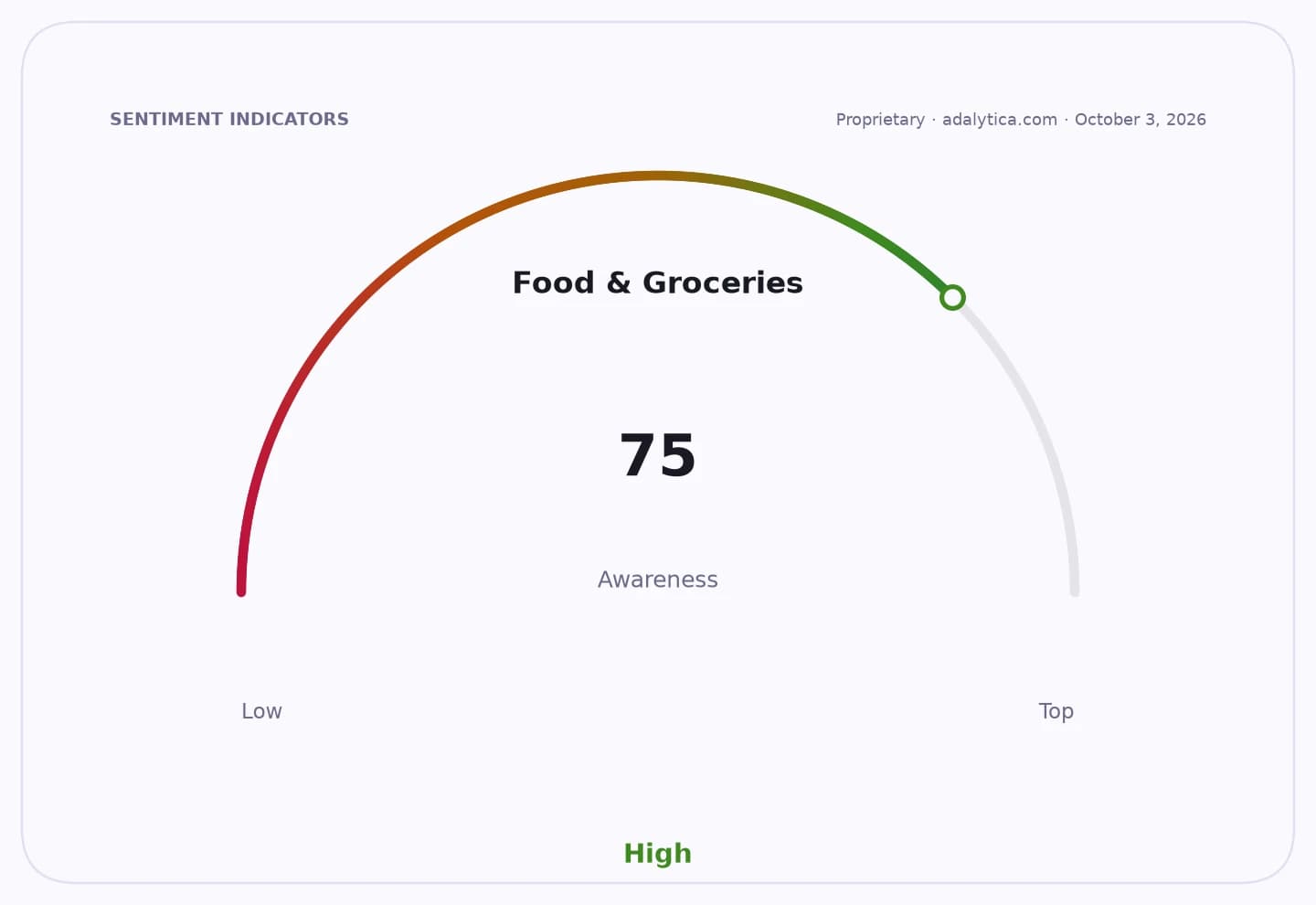
Sentiment IndicatorsⓘProprietary · adalytica.com · September 30, 2026
This is a snapshot — live sentiment, awareness and momentum for 130+ markets update continuously in the dashboard.Open AlphaPulse
For TAFE’s Massey Ferguson brand, that matters competitively. The model sits in a segment where price, fuel economy and serviceability often outweigh brand aspiration, especially for buyers weighing loan affordability against seasonal cash flow. The listed EMI of ₹12,542 a month and the ex-showroom price of ₹5,85,778 suggest the tractor is being marketed to farmers who need a durable workhorse, not a technology showpiece. Features such as manual steering with optional power steering, dry disc brakes and a sliding mesh or partial constant mesh transmission keep complexity — and maintenance costs — in check.
The broader industry backdrop reinforces the importance of this segment. Deere and AGCO, which have larger global exposure to agricultural machinery, have been navigating a softer farm-equipment backdrop in some markets, with investors focused on whether farmers will keep replacing aging fleets or delay purchases. Deere’s shares have remained above their 200-day moving average but have also shown more volatility, while AGCO has seen sharper swings as investors reassess demand durability. In that context, value-oriented tractors in growth markets such as India can provide a steadier demand pocket than high-ticket equipment aimed at larger commercial farms.
The business case also helps explain the narrative around the model. A 1,745 kg frame, 345 mm ground clearance and compatibility with cultivators, rotavators, ploughs and planters make the tractor relevant across wheat, rice and sugarcane operations. That is precisely the kind of versatility that supports volume in rural markets, where a single machine often has to serve both fieldwork and transport. In economic terms, the tractor is not just a product listing; it is a small-ticket capital good that reflects farm income, credit access and replacement demand.
For investors, the implication is that the center of gravity in farm machinery is still with practical, mid-range equipment rather than expensive innovation alone. The bull case for AGCO, Deere and peers is that replacement demand in emerging markets and resilience in lower-priced utility tractors can cushion weakness in large equipment cycles. The bear case is that if farm incomes soften or diesel and financing costs stay elevated, even this segment could face pressure, forcing manufacturers and dealers to lean harder on discounts and financing.
The next catalyst is not the specification sheet itself, but whether affordability continues to support buying at the farm gate. If crop prices, credit conditions and rural cash flows hold up, 40 HP tractors should remain a dependable volume category. If they weaken, the pressure will show first in entry-level and mid-range models like the Massey Ferguson 1035 DI Maha Shakti.
| Entity | Gains | Losses |
|---|---|---|
| Indian small and mid-sized farmers | ▲Lower purchase cost | ▼Fewer premium features |
| TAFE / Massey Ferguson | ▲Volume in utility segment | ▼Margin pressure from pricing |
| Deere and AGCO | ▲Replacement demand in farm machinery | ▼Cyclical slowdown risk |
| Lenders / dealers | ▲Loan and financing activity | ▼Credit stress if farm incomes weaken |