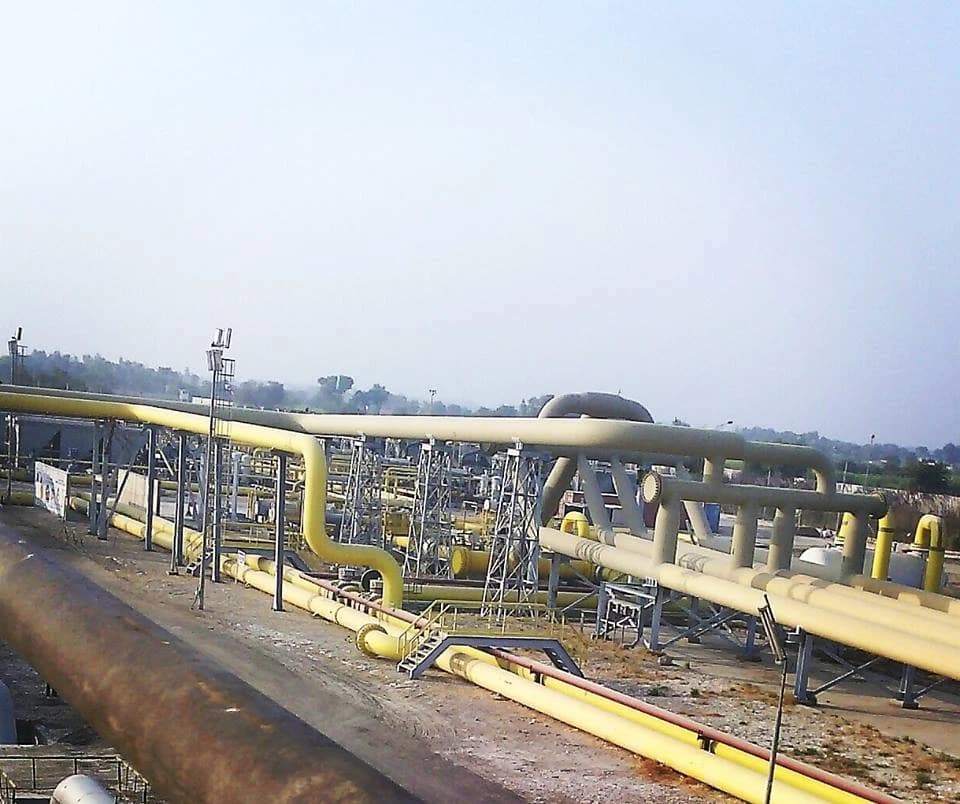
The collapse in revenue from Bolivian gas is pushing Mato Grosso do Sul into a fiscal adjustment that could reshape how Brazil’s border state funds public services and investment, even as policymakers try to shield low-income consumers from higher prices.
Mato Grosso do Sul Raises ICMS After Gas Revenue Drop
Governor Eduardo Riedel said the state lost R$1.3 billion in annual ICMS revenue from imported Bolivian natural gas and now expects receipts from that source to fall below R$900 million in 2026, down from R$2.2 billion in 2022. That structural drop, driven by weaker Bolivian output and Brazil’s shift toward pre-salt gas, is the main justification for raising the modal ICMS rate from 17% to 19%.
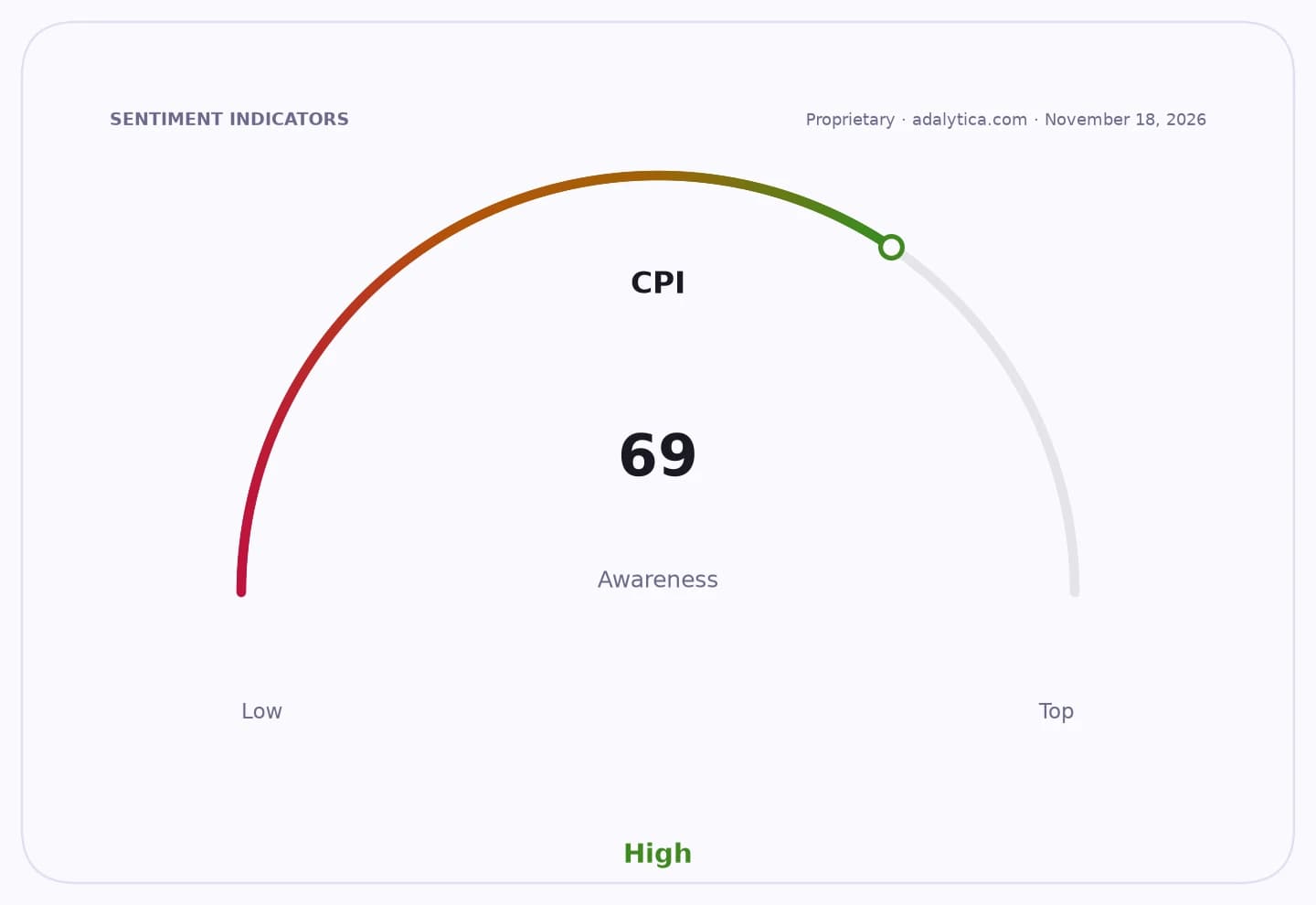
Sentiment Indicators
The economic significance goes beyond a single tax line. Mato Grosso do Sul has relied for years on transit-linked revenue from gas imported through its border with Bolivia, and the deterioration of that stream removes a pillar of fiscal stability. Riedel said there is no short-term recovery in sight, underscoring that the state’s budget problem is not cyclical but tied to a permanent change in the energy trade pattern.
That makes the proposed increase a defensive measure rather than a broad-based tax grab. The government is trying to preserve revenue without removing exemptions for staples, medicines, transport and electricity for low-income households. In other words, the adjustment is aimed at plugging a structural hole while limiting the immediate inflationary impact on essentials.
For investors, the story matters because it highlights how commodity-route shifts can ripple into public finances in resource-linked regions. The loss of Bolivian gas revenue reflects both supply degradation in Bolivia and Brazil’s evolving gas matrix, with more supply now moving from the pre-salt rather than through the southwestern corridor. Any future alternative, such as gas from Argentina’s Vaca Muerta, would require major infrastructure and take time to affect state coffers.
The wider narrative is that Mato Grosso do Sul is being forced to adapt its fiscal model to a changed energy landscape. The package sent to the state assembly combines the ICMS increase with tighter spending, changes to tax incentives and possible cuts in commissioned posts, showing that the revenue shock is broad enough to trigger both tax and expenditure reforms.
The near-term focus now turns to the legislature, where the governor’s plan will be judged on whether it can stabilize finances without undermining growth or household purchasing power. If approved, the package would signal that subnational governments exposed to commodity transit revenues may need more frequent fiscal recalibration as regional energy flows continue to shift.
| Entity | Gains | Losses |
|---|---|---|
| Mato Grosso do Sul state government | ▲Higher tax revenue | ▼Political pushback |
| Low-income households | ▲Preserved exemptions | ▼Little direct gain |
| Businesses and consumers | ▲Some tax protections | ▼Higher modal ICMS |
| Bolivia gas exporters | ▲None | ▼Weaker export-linked revenue |