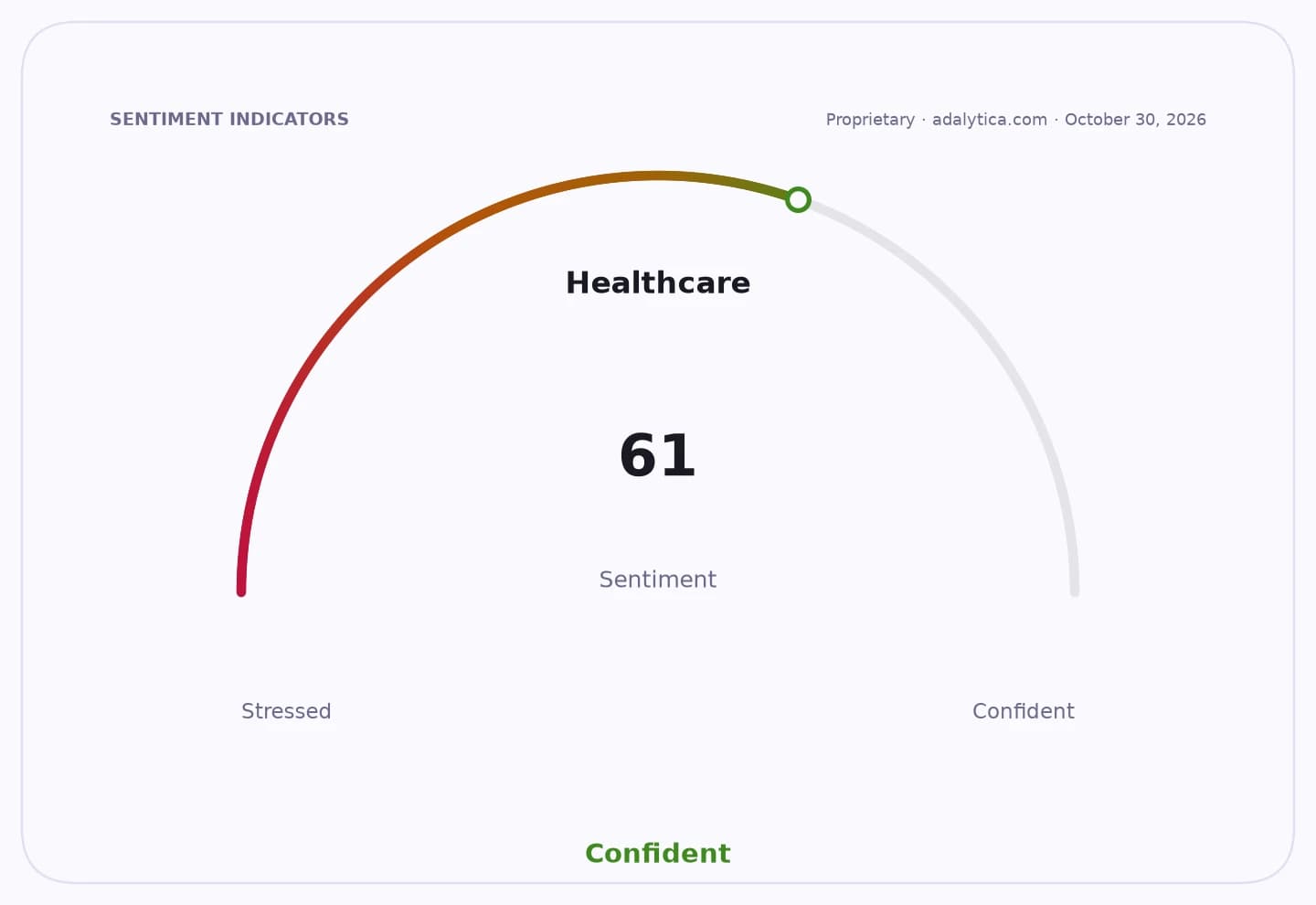
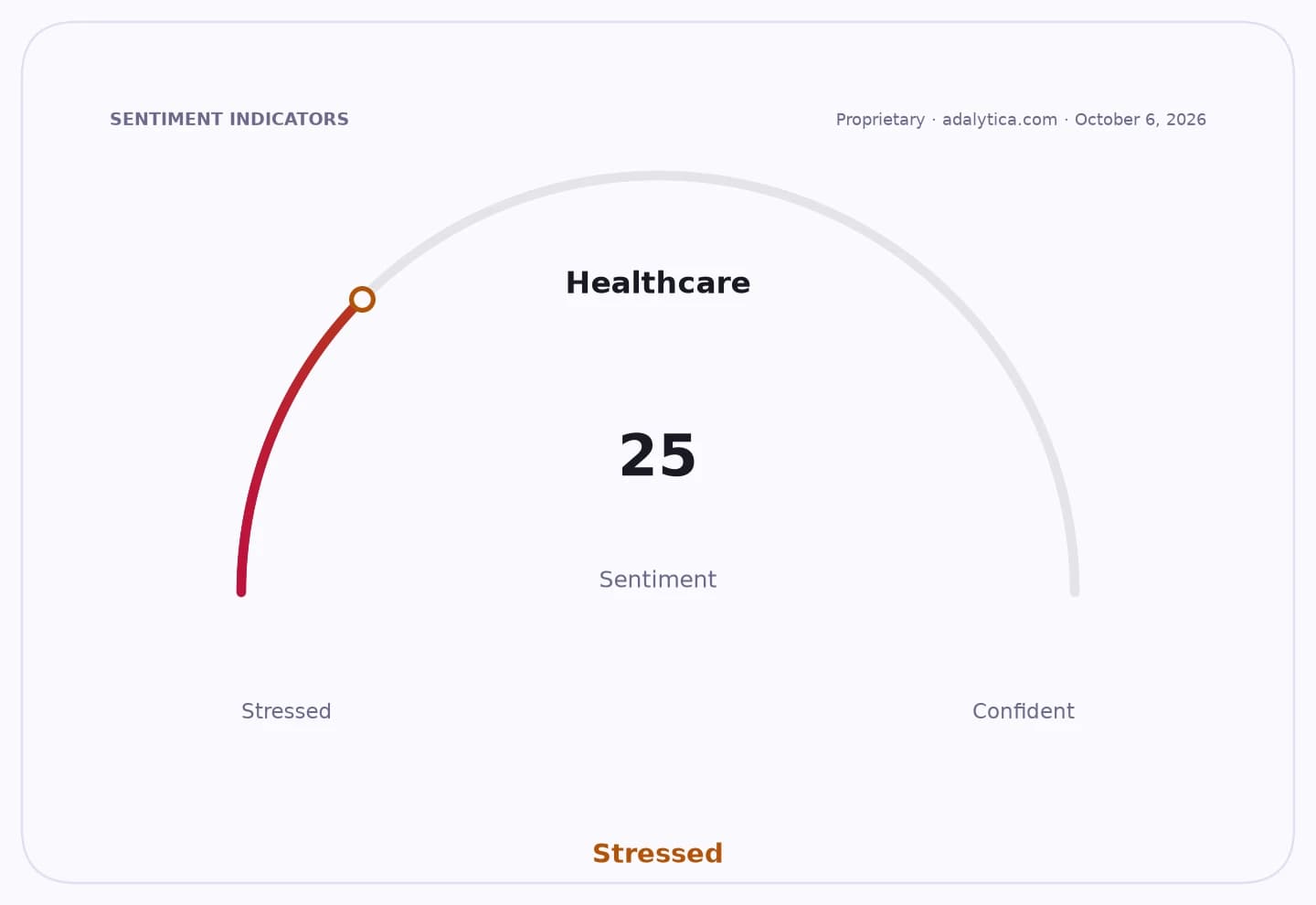
Medicare’s annual open enrollment window is back, and for millions of older Americans the stakes are simple: the wrong choice can mean higher costs, less flexibility and surprise bills next year.
Medicare open enrollment starts for 2027 coverage
That matters because Medicare is no side issue in the U.S. economy. More than 70 million people rely on the program, and the mix of premiums, deductibles and private-plan choices can reshape household budgets just as retirees are trying to preserve income in an era of higher medical inflation. For investors, it is also a reminder that healthcare spending is persistent, government reimbursement rules matter, and insurers live and die by how well they manage those changes.
The enrollment period runs from Oct. 15 through Dec. 7, giving beneficiaries a limited chance to switch among traditional Medicare coverage and private alternatives for 2027. The decision is not trivial. Medicare is split into parts, each with different costs and coverage: Part A covers hospital care, Part B covers doctor and medical services, Part D covers prescription drugs, and Part C — Medicare Advantage — bundles coverage through private insurers.
That structure is why Medicare is often called an alphabet soup. It is also why many people end up paying more than they expected. Part A is premium-free for most enrollees, but it still carries a deductible. Part B has a monthly premium, and Part D drug plans vary widely by insurer and region. On top of that, higher-income beneficiaries can face an income-related monthly adjustment amount, or IRMAA, which is based on income from two years earlier. For retirees living on Social Security, pensions and withdrawals from retirement accounts, that surcharge can arrive as an unwelcome surprise.
The broader economic point is that Medicare is not just a public benefit; it is a major flow of money through the healthcare system and into private insurers. Open enrollment determines where billions of dollars in premiums go, which plans gain members, and which insurers can keep pricing power in a market that is already under pressure from medical cost trends and regulation. UnitedHealth Group, Elevance Health and Humana all operate heavily in Medicare-linked businesses, so every enrollment cycle is a test of their ability to hold margins while staying competitive.
The latest market action underlines how sensitive those businesses can be. UnitedHealth, Elevance and Humana have all seen sharp share-price swings over the past year as investors reassessed the outlook for government-backed managed care. That volatility reflects a simple investor truth: when reimbursement rules, utilization trends or membership shifts change, earnings estimates can move fast. Conventional technical indicators such as the 50-day moving average and RSI can capture that momentum, but the real driver is the same old fundamental question — can insurers keep growing while containing costs?
For long-term investors, the takeaway is less about trading Medicare headlines and more about understanding the durable demand behind them. Aging populations do not go away, and neither does the need for prescriptions, doctor visits and hospital care. That makes Medicare one of the most important recurring revenue engines in U.S. healthcare, whether the money flows to traditional providers, drug plans or managed-care giants.
Still, beneficiaries should not treat open enrollment as a routine chore. A plan that looked fine last year may no longer fit this year’s doctors, medications or budget. And because income can trigger extra charges, retirees should review not only premiums and copays but also the tax implications of withdrawals and other income sources.
For investors, the message is just as clear: Medicare remains a structural growth market, but one with constant policy, pricing and margin pressure. That is exactly the kind of environment that rewards disciplined operators — and patient shareholders willing to hold healthcare names through the noise.
| Entity | Gains | Losses |
|---|---|---|
| Medicare beneficiaries | ▲Better coverage fit | ▼Higher premiums/surprises |
| Private insurers | ▲Enrollment and premium flow | ▼Margin pressure |
| UnitedHealth, Elevance, Humana | ▲Medicare revenue base | ▼Regulatory and cost risk |
| Careful retirees | ▲Lower total out-of-pocket costs | ▼Less careful planners |