Genomics and artificial intelligence are moving rare disease care from years-long diagnostic odysseys toward faster, more precise treatment pathways, a shift that could reshape spending on testing, specialty drugs and advanced therapies across the MENA region and beyond.
MENA Rare Disease Care Adds Genomics and AI

That is the economic significance of the discussions at the Fifth MENA Congress for Rare Diseases in Abu Dhabi, where clinicians and researchers said genomic data and AI are beginning to cut the time and cost of identifying rare disorders while improving the odds that patients reach the right therapy sooner. In a field where delayed diagnosis often means irreversible damage, the value proposition is not just clinical: it is about reducing wasted healthcare spending, shortening trial-and-error treatment and expanding the pool of patients eligible for precision medicines, gene therapies and clinical studies.
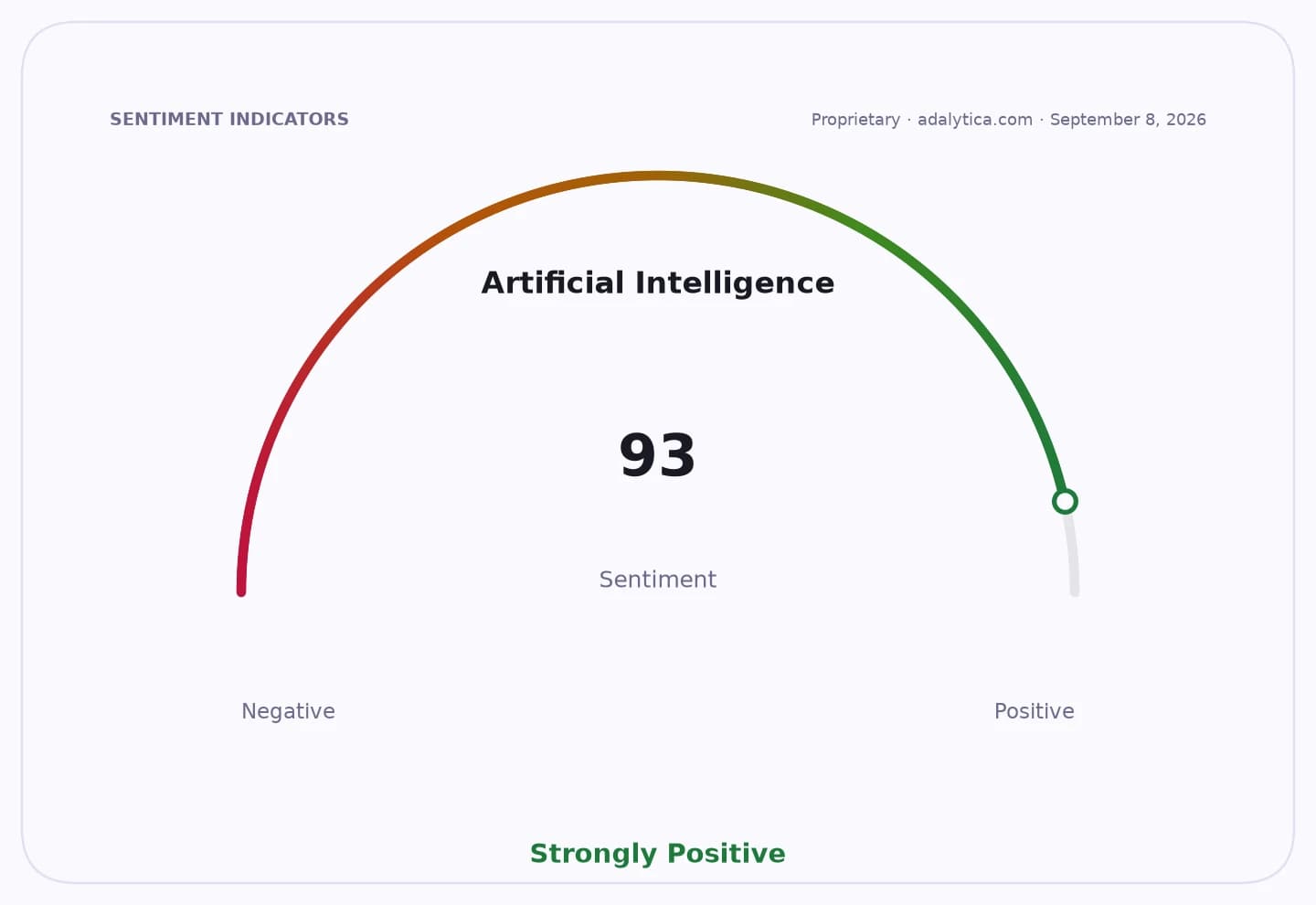
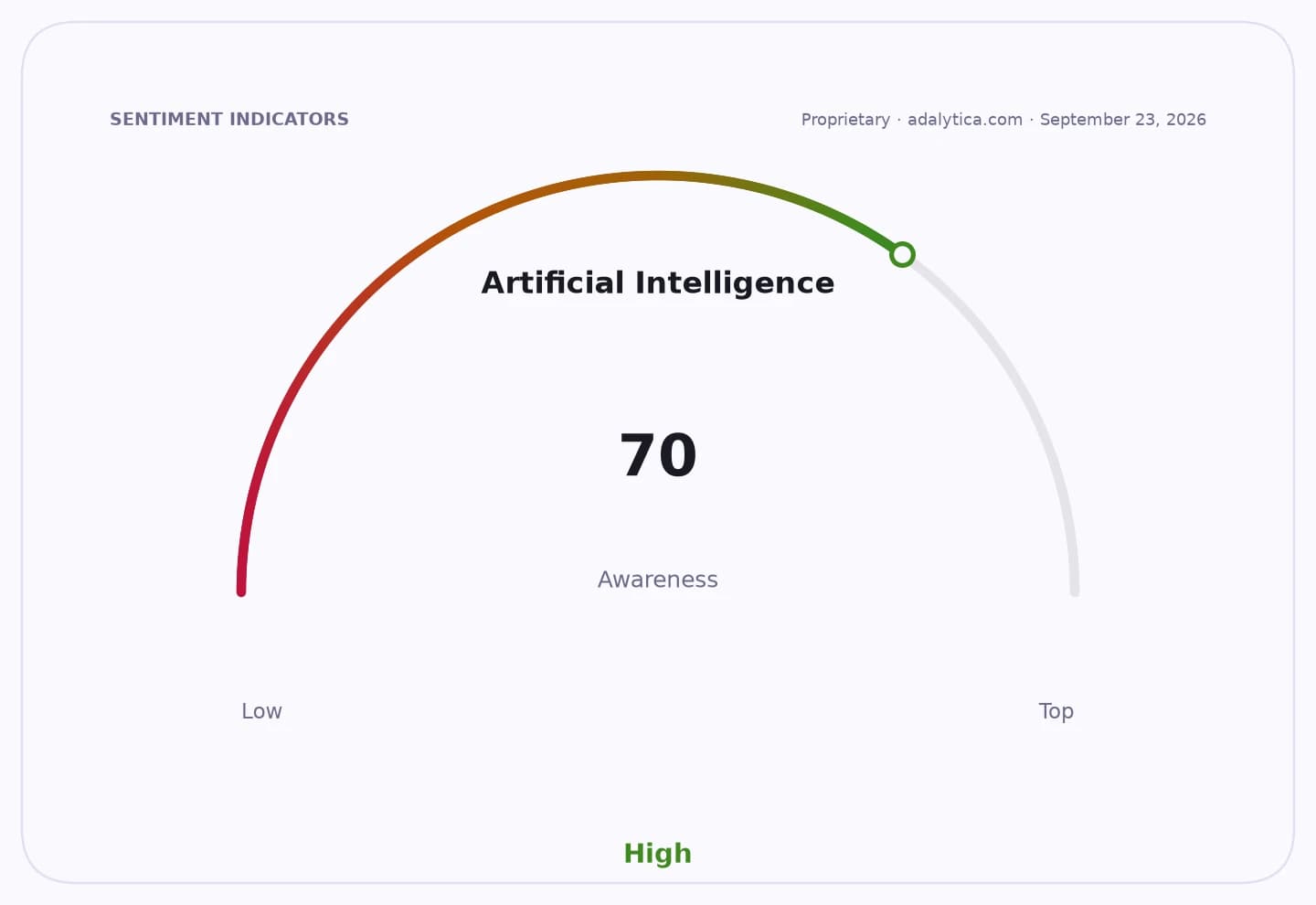
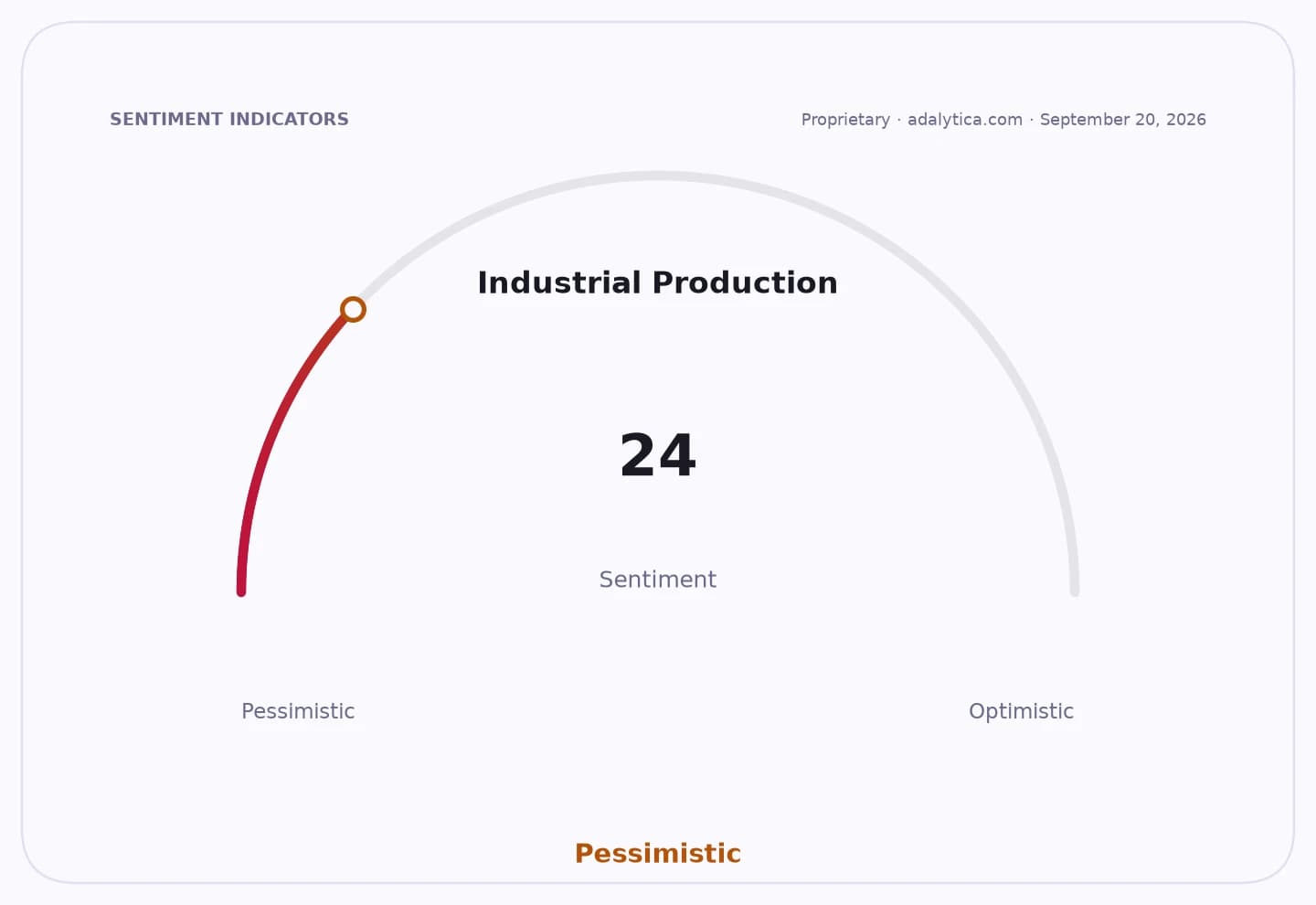
Sentiment IndicatorsⓘProprietary · adalytica.com · September 5, 2026
This is a snapshot — live sentiment, awareness and momentum for 130+ markets update continuously in the dashboard.Open AlphaPulse
The push is being reinforced by public-sector infrastructure. Prof. Ayman El-Hattab said the Emirati Genome Programme is widening access to genetic testing and helping identify rare diseases earlier, while the Emirates Drug Establishment is working to speed access to advanced treatments including gene and enzyme therapies. For policymakers, that combination matters because rare diseases are high-cost, low-volume conditions that strain health systems when diagnosis is late and care is fragmented. Earlier detection can shift costs forward into testing, but it can also lower downstream spending on hospitalizations, specialist visits and ineffective therapies.
For investors, the implication is that rare disease is becoming a larger and more data-intensive market. Genomics platforms, AI-enabled analytics and companies developing cell and gene therapies stand to benefit as health systems invest in sequencing, interpretation software and patient-finding tools. That is especially relevant for makers of sequencing equipment, cloud and compute providers, and drug developers with pipelines in monogenic disorders, where clear genetic causality improves both regulatory prospects and commercial targeting. The bull case is that better diagnostics expand the addressable market for ultra-high-value therapies. The bear case is that reimbursement, regulation and the high cost of manufacturing could slow adoption even as clinical demand rises.
The session’s focus on CRISPR-Cas9, prime editing and base editing underlines how quickly the field is moving from diagnosis to intervention. Those technologies are still early, but they point to a pipeline in which genomics is no longer just a research tool; it is becoming the basis for therapeutic design. That is why the congress also emphasized clinical-trial access and translational research on Huntington’s disease, Duchenne muscular dystrophy and late-onset Pompe disease, three conditions that illustrate how rare disease science can move into commercial medicine when biology is clearly mapped.
The broader narrative is that rare disease care is being rebuilt around data, automation and precision medicine. AI may not replace the specialist, but it can help solve one of the sector’s biggest bottlenecks: finding the diagnosis fast enough to matter. As governments expand sequencing programs and regulators make room for advanced therapies, the next catalyst for investors will be whether those scientific gains translate into broader reimbursement, more efficient trials and a larger market for genomics-linked healthcare infrastructure.
| Entity | Gains | Losses |
|---|---|---|
| Genomics platforms | ▲More testing demand | ▼Traditional symptom-based diagnosis |
| AI healthcare tools | ▲Faster variant interpretation | ▼Manual review bottlenecks |
| Gene and enzyme therapy developers | ▲Larger eligible patient pools | ▼Delayed referral pathways |
| Health systems / payers | ▲Lower downstream care costs | ▼Higher upfront testing spend |