Merpay is trying to spur transaction volume with a time-limited campaign that gives users a random discount every third eligible payment, a promotion that could help keep spending flowing even as consumer sentiment remains weak.
Mercari Merpay launches payment discount campaign
The offer, which runs from Oct. 15 to Dec. 15, gives customers one of four discount amounts — 10 yen, 15 yen, 100 yen or 999 yen — after every three qualifying payments, with the savings automatically applied to the next eligible purchase. Merpay said the promotion is open to all users, requires a minimum payment of 50 yen and starts with one stamp already credited, effectively shortening the first redemption cycle.
For Mercari’s payments business, the campaign is less about the size of the discount than about increasing frequency and habit. In a market where wallet usage and buy-now-pay-later products compete on convenience and incentives, auto-applied rewards reduce friction and can lift repeat usage. That matters because transaction activity is the core driver of fee income and cross-selling opportunities across the Mercari ecosystem, including shopping and credit products.
The company is also layering in a separate incentive for applicants to its deferred-payment service, Merpay Credit. Users who apply between Oct. 15 and Dec. 15 can receive a 99% off coupon capped at 3,000 yen and 1,000 yen in Mercari points, while also qualifying for a 30-day period during which each eligible payment earns a discount. Those benefits are designed to push both acquisition and activation, especially among customers who may otherwise browse but not borrow.
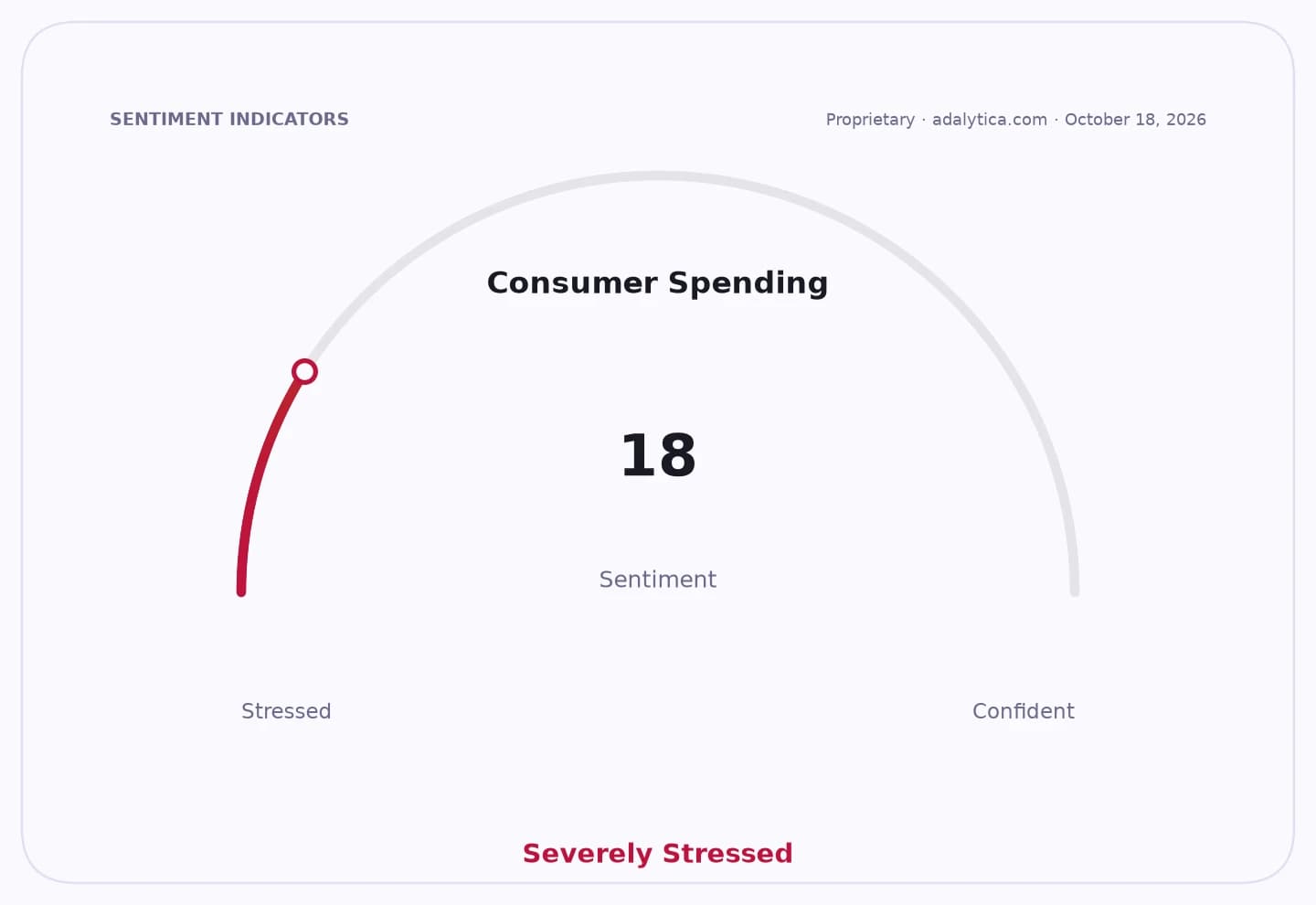
The structure shows Mercari is leaning on promotions to deepen engagement at a time when households remain cautious and competition for consumer spending is intense. Adalytica’s consumer spending sentiment snapshot shows “Fear,” underscoring the weak backdrop for discretionary outlays and the appeal of discounts that are automatically embedded into payment flow rather than requiring users to clip coupons or make extra decisions.
Investors will view the campaign through two lenses. The bull case is that higher payment frequency improves retention and expands the addressable user base for Merpay Credit, helping offset softer spending conditions. The bear case is that richer incentives could pressure unit economics if redemption rates skew toward the 999-yen prize or if the company has to keep subsidizing usage to sustain growth.
Mercari’s shares have been in a strong technical uptrend, with the stock closing at 617.42 yen on Oct. 16, above both its 50-day and 200-day moving averages, while RSI readings near 78 suggest the move is extended. That makes execution on monetization important: the market is already pricing in momentum, and investors will want evidence that promotional spending is converting into durable payment activity rather than temporary volume spikes.
The key question over the next two months is whether the campaign drives incremental spending or merely reshuffles existing transactions into a subsidized window. If Merpay can turn the promotion into more frequent usage and higher attachment to its credit product, it could support the broader strategy of making payments a sticky entry point into Mercari’s commerce platform.
| Entity | Gains | Losses |
|---|---|---|
| Mercari / Merpay | ▲Higher usage and engagement | ▼Promotion costs |
| Active Merpay users | ▲Automatic discounts | ▼Users outside campaign or ineligible payments |
| Merpay Credit applicants | ▲99% coupon and points | ▼Non-applicants |
| Competing payment apps | ▲— | ▼Share of wallet and attention |