Lionel Messi’s latest honour matters less for the cheque and more for the setting: Spain has just placed him among the most decorated figures in sport, cementing the country where he built his empire as the stage on which his legacy was made.
Messi Wins Spain’s Princess of Asturias Sports Award
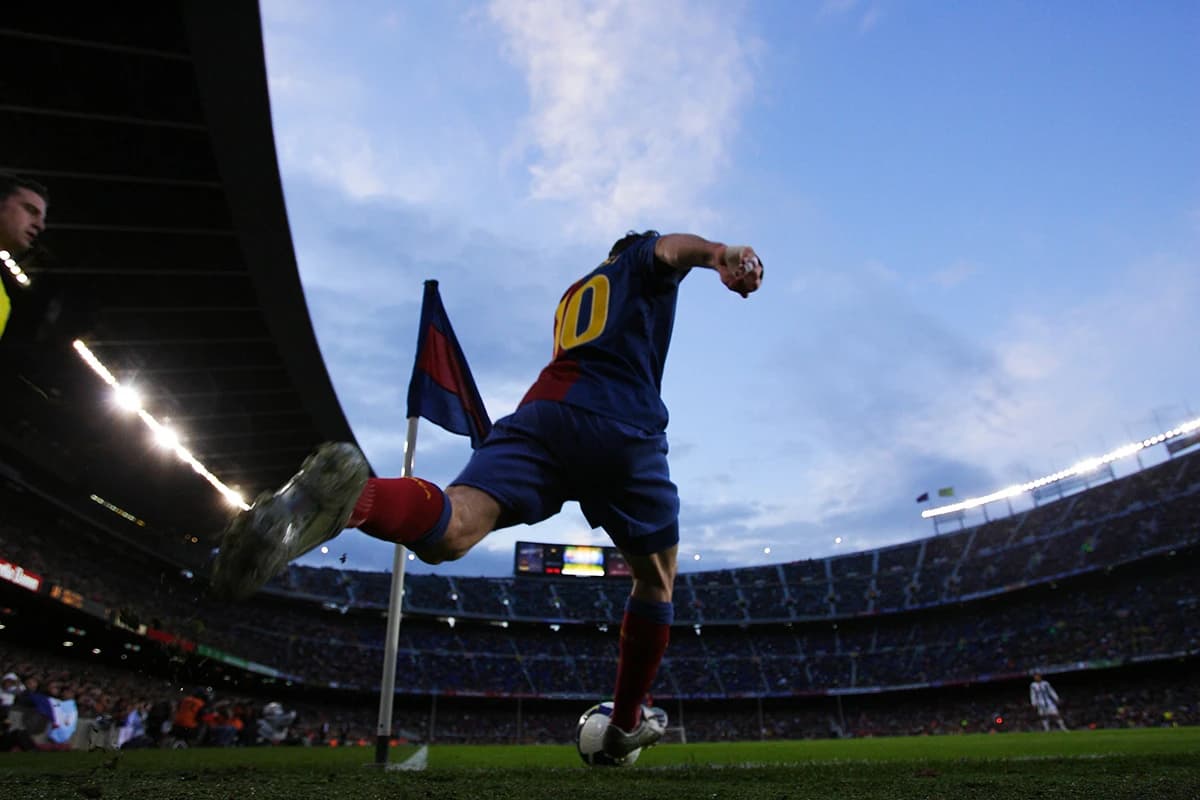
The Princess of Asturias Award for Sports is Spain’s most prestigious sports prize, and Messi became the first individual footballer to receive it after a career that stretched from Barcelona’s La Masia academy to Inter Miami. For investors, brands and sports businesses, that is the real story: Messi remains a global commercial asset whose value is not fading with age, even as he moves further from Europe’s elite pitches.
The award, presented in Oviedo, comes with 50,000 euros, but its importance is symbolic rather than financial. Messi already owns eight Ballon d’Or titles, a World Cup and dozens of club trophies. What this prize adds is institutional recognition from the country where he spent 21 years, won nearly everything and helped define one of football’s most dominant eras under Pep Guardiola and Luis Enrique. In other words, Spain is not merely remembering Messi — it is formally enshrining him.
That matters because elite athletes today are long-duration brands. Messi’s playing career may now be split between Inter Miami and the global exhibition circuit, but his commercial reach is still anchored in the same qualities that made him unbeatable at Barcelona: excellence, consistency and trust. Awards like this help extend that franchise value well beyond retirement, supporting sponsorships, media rights, appearances and the broader monetisation of football’s biggest names.
It also reinforces why Barcelona remains central to the Messi narrative. His move to Paris Saint-Germain and then to Major League Soccer broadened his footprint, but the mythology was built in Spain. For investors watching sports as an asset class, the lesson is simple: the most valuable global stars are those whose reputations transcend leagues, borders and even active competition.
The broader backdrop is football’s shift from purely on-field achievement to legacy economics. Recognition, heritage and social impact now matter alongside goals and trophies, especially for athletes with worldwide followings. Messi’s work helping disadvantaged children access health and education was explicitly cited by the jury, showing how modern sports icons are judged on both performance and public purpose.
Cristiano Ronaldo’s separate “Ballon d’Or of All Time” recognition underlines how closely the market for legacy still tracks the Messi-Ronaldo rivalry. These honors are not just sentimental; they keep the two names at the center of football’s commercial conversation, where attention translates into enduring value.
For long-term investors, the takeaway is that Messi’s brand remains one of the most resilient in global sport. The prize is small, but the signal is big: even in a new chapter at Inter Miami, his Barcelona-built legacy still compounds. Worth watching for anyone who follows sports media, sponsorships or the business of global icons.
| Entity | Gains | Losses |
|---|---|---|
| Lionel Messi | ▲Legacy value boosted | ▼None materially |
| Barcelona | ▲Historic association reinforced | ▼Can’t fully reclaim him |
| Princess of Asturias Awards | ▲Global visibility | ▼None materially |
| Rival legacy debates | ▲Fresh attention | ▼Cristiano Ronaldo’s absolute dominance narrative |