Javier Milei’s meeting with Madrid regional leader Isabel Díaz Ayuso underscored a broader push to attract Spanish capital and political backing as Argentina heads toward its 29N vote, with the president seeking to turn a high-profile European trip into economic credibility at home.
Argentina Milei courts Spanish capital before 29N vote
That matters because Argentina is still trying to pry open foreign investment after years of capital flight, currency stress and policy instability. For Milei, every visible handshake with a market-friendly leader is part diplomacy, part signaling: he wants investors to see a government committed to deregulation, fiscal discipline and a more predictable business climate. For Spain, meanwhile, the relationship remains commercially important, with Spanish companies deeply exposed to Argentine banks, utilities and infrastructure.
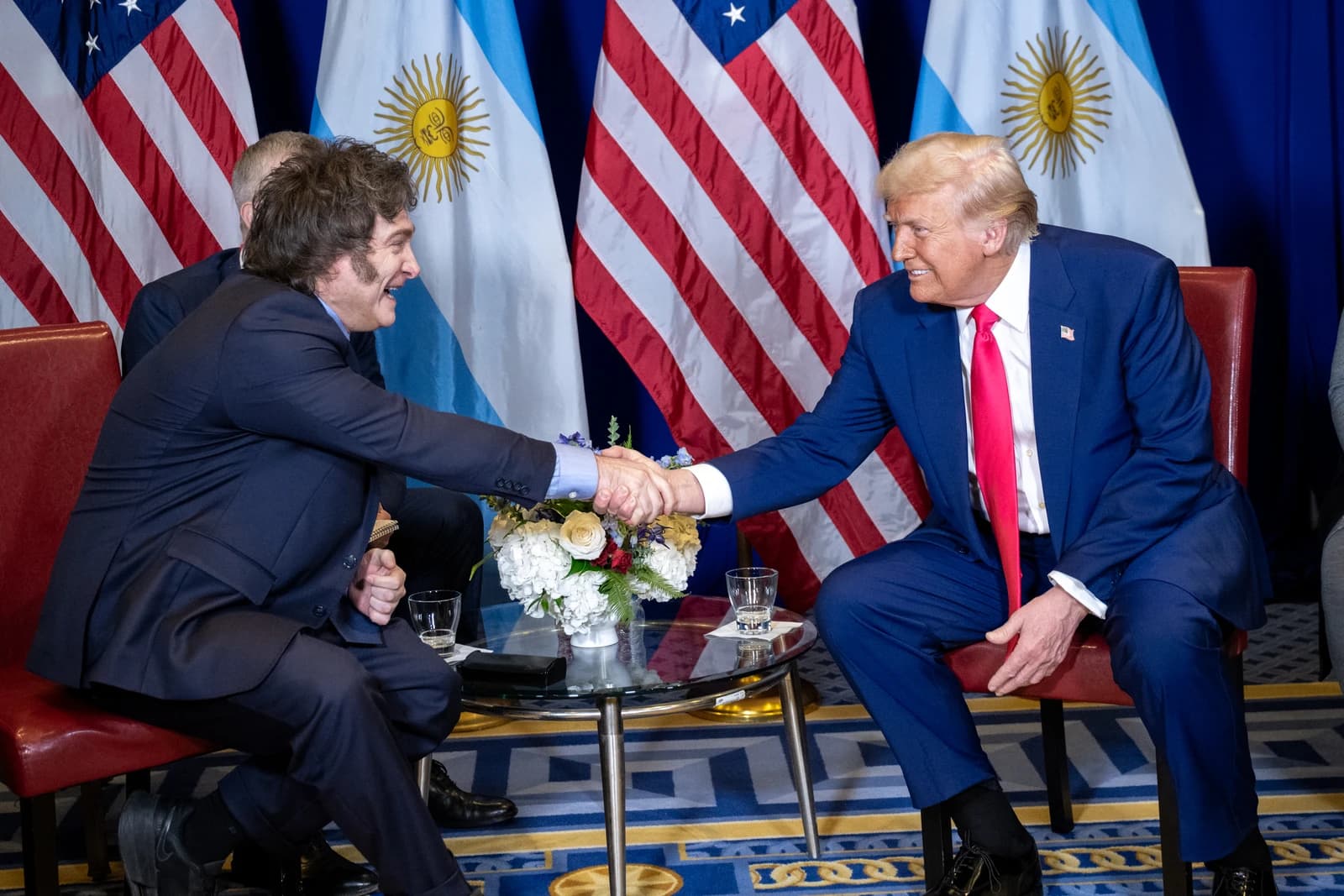
The timing is politically useful for Milei. Forty days before 29N, he needs to show domestic voters and international investors alike that his reform agenda is not just rhetoric. A successful courtship of Ayuso — one of the most prominent conservative figures in Spain and a vocal advocate of free-market policies — helps frame Argentina as open for business and aligned with pro-investment capitals in Europe.
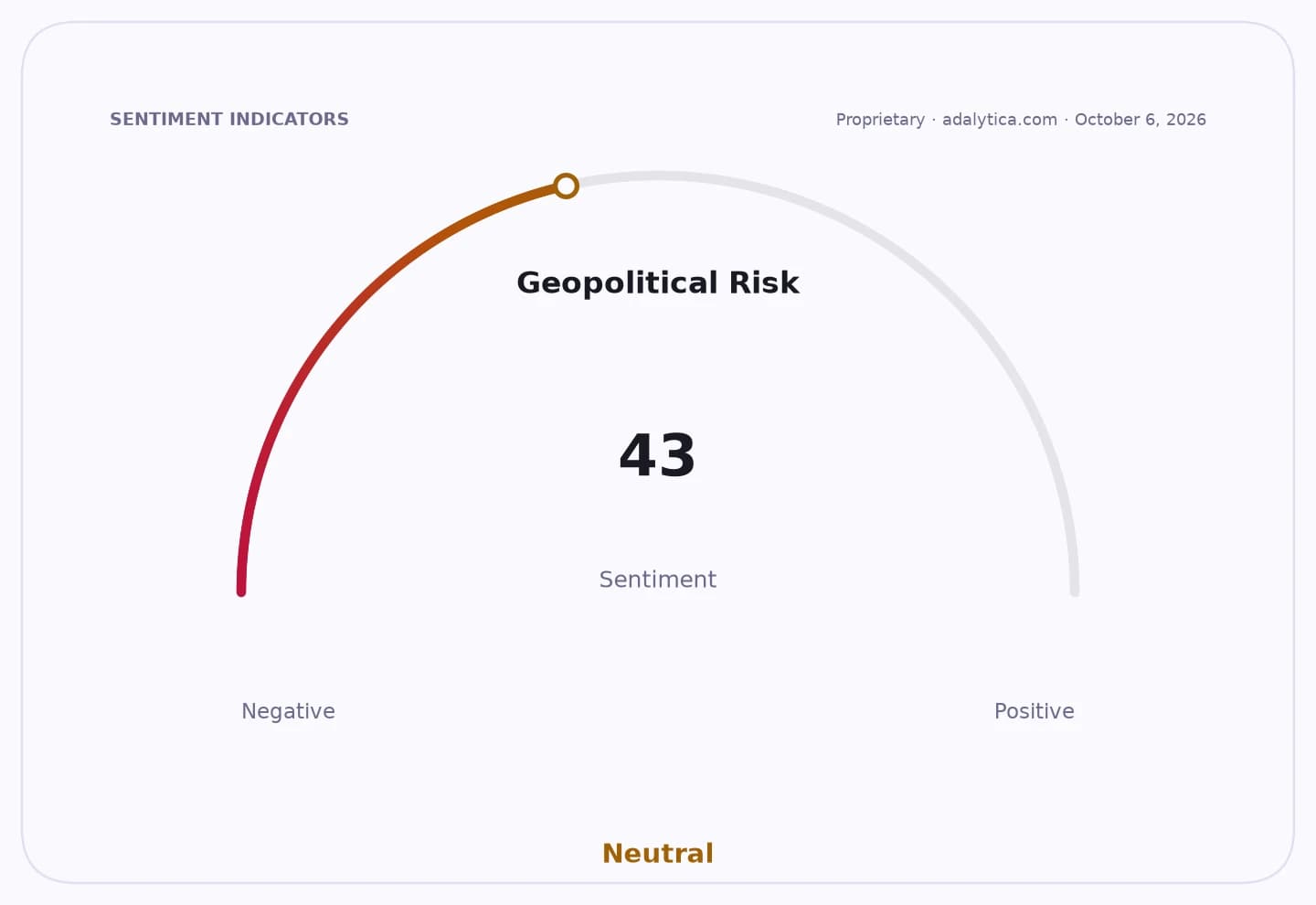
For investors, the real takeaway is that Argentina’s story remains less about one meeting than about the contest between reform credibility and execution risk. If Milei can keep building external support while maintaining fiscal restraint, the country’s risk premium could keep compressing, creating room for selective exposure in Argentine sovereign debt, energy, banks and infrastructure names tied to a recovery in investment.
The market should also watch the second-order effect: Spain is not a sideshow. Spanish multinationals are among the largest foreign stakeholders in Latin America, and any thaw in political tone can influence capital allocation, project approvals and financing conditions. That makes Milei’s Madrid stop more than a photo opportunity — it is part of a wider effort to rebuild trust with the investors Argentina needs most.
The next catalyst is whether that political messaging is matched by concrete policy delivery after 29N. If it is, the upside in Argentine assets could be disproportionate; if not, the market will quickly discount the optics. For now, the asymmetry still favors keeping Argentina on the watch list as a high-beta reform trade.
| Entity | Gains | Losses |
|---|---|---|
| Milei government | ▲Reform credibility | ▼Political skepticism |
| Argentine assets | ▲Lower risk premium | ▼Policy failure risk |
| Spanish investors | ▲Market access | ▼Capital and regulatory risk |
| Argentina opposition | ▲— | ▼Reform narrative momentum |