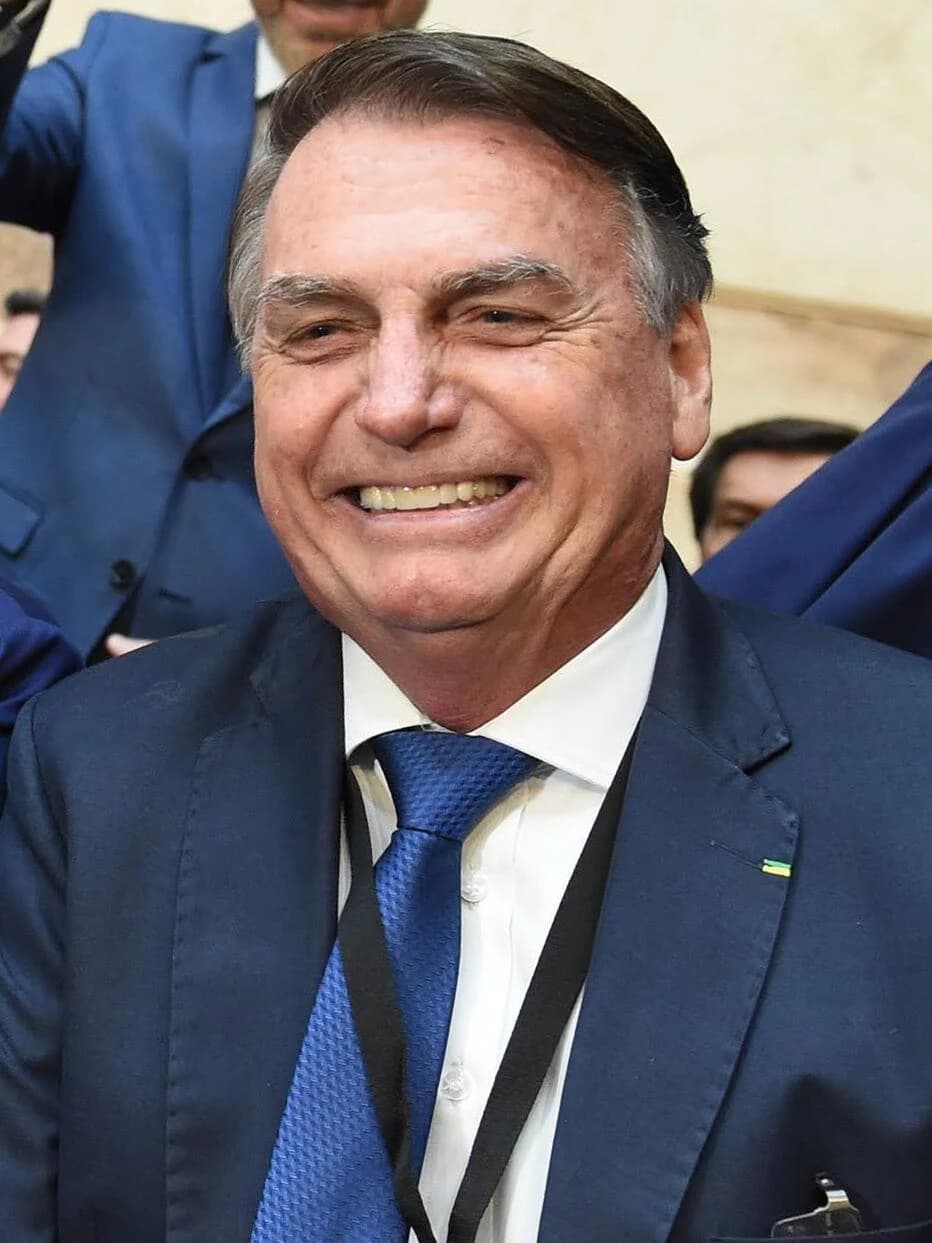
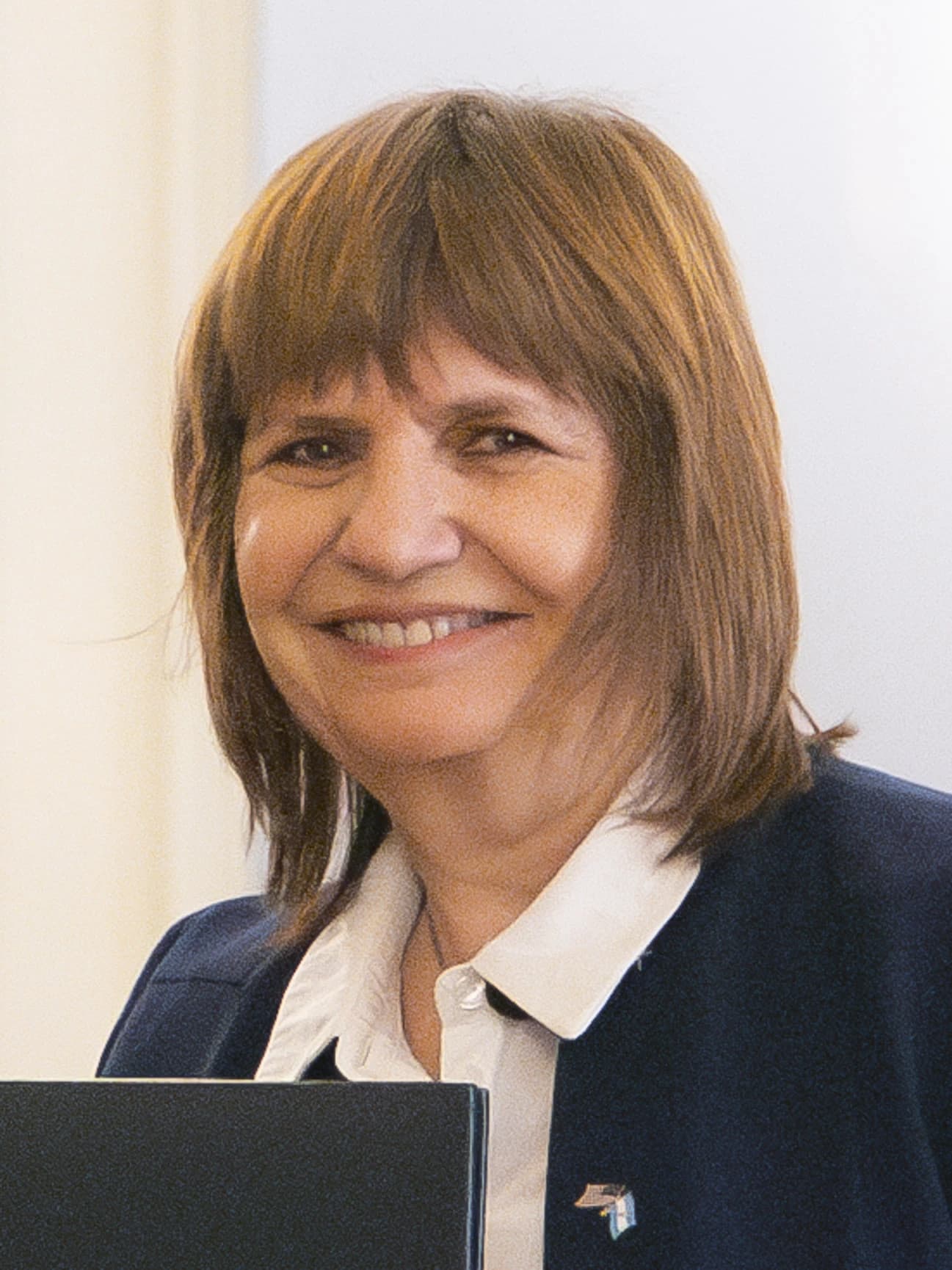
Javier Milei escalated his feud with Spanish Prime Minister Pedro Sanchez on a trip to Madrid, calling the socialist leader an “unacceptable dictator” and refusing to meet him, a political clash that risks further straining ties between two major Spanish-speaking economies.
Milei Escalates Feud With Spain’s Sanchez in Madrid
The Argentine president’s remarks matter less for their theatrical edge than for what they say about the direction of bilateral relations: Milei is openly aligning himself with Spain’s conservative opposition while attacking Sanchez’s economic and migration policies in a European setting. That raises the temperature of an already damaged relationship and reinforces the likelihood that official cooperation between Buenos Aires and Madrid will remain thin.
Milei told a Madrid economic forum that Spaniards were suffering under Sanchez’s rule and urged them to “expel the socialists,” casting Spain as a symbol of the ideological battle he wants to fight across the Atlantic. He also blamed Europe’s left-wing parties for economic stagnation and linked them to more open migration policies.
The meeting schedule underscores the diplomatic chill. Milei’s program in Spain does not include Sanchez; instead, he is set to see Vox leader Santiago Abascal and Madrid regional president Isabel Diaz Ayuso, both prominent critics of Spain’s Socialist government. Milei called both his friends and said they held ideas that could pull Spain out of decline.
The feud is not new. Milei’s visit to Spain in May 2024 triggered a diplomatic crisis after he attacked Sanchez and his wife, prompting Madrid to recall its ambassador from Buenos Aires. Spain later sent a new ambassador five months on, but the episode left relations fragile and exposed the political risk of personalizing diplomacy between the two governments.
For investors, the immediate market impact is limited, but the broader signal matters. Milei has tried to present Argentina as open for business and politically closer to market-friendly governments, while Sanchez has taken a more interventionist line on several fronts. That ideological split can complicate trade, investment and diplomatic coordination at a time when Argentina is seeking foreign capital and credibility for its reform agenda.
The clash also comes against the backdrop of Milei’s broader foreign-policy realignment. Since taking office in December 2023, he has prioritized closer ties with Israel and backed Prime Minister Benjamin Netanyahu through the Gaza war, even vowing to move Argentina’s embassy from Tel Aviv to Jerusalem. Sanchez, by contrast, has criticized Israel’s military campaign and recognized a Palestinian state, placing the two leaders on opposite sides of another sensitive geopolitical issue.
The likely takeaway for markets is not a direct pricing catalyst, but a reminder that Milei’s foreign policy is intensely ideological and personal. That can create noise around Argentina’s external relations, even as investors focus far more on the durability of his domestic economic program, reserve accumulation and access to financing. Any further deterioration in ties with Spain would mainly matter if it begins to affect investment sentiment, corporate links or the political space for broader European engagement.
| Entity | Gains | Losses |
|---|---|---|
| Javier Milei / Argentine government | ▲Polarizes his base | ▼Diplomatic ties with Spain |
| Pedro Sanchez / Spanish Socialists | ▲Defends governing coalition | ▼Political pressure from right |
| Vox / Isabel Diaz Ayuso | ▲Visibility and legitimacy | ▼Relations with Madrid establishment |
| Investors in Argentina | ▲Clearer ideological direction | ▼Noise around external relations |