The biggest risk in today’s digital economy may not be the apps themselves, but the business model underneath them. A new Lancet-backed framing of “digital determinants of health” argues that the health effects of social media, data harvesting and platform design are structural, not just behavioral — and that matters because the companies building those ecosystems still depend on maximizing attention, engagement and ad revenue.
Meta, Alphabet and Snap Face Health, Legal Risks
That is why this story is bigger than a public-health warning. It goes to the long-run durability of the platform economy that made Meta Platforms, Alphabet and Snap into advertising giants. If the incentives baked into their products push more compulsive use, more misinformation and more friction with regulators, then the cost is not just social. It can show up in litigation, compliance spending, ad product disruption and ultimately valuation.
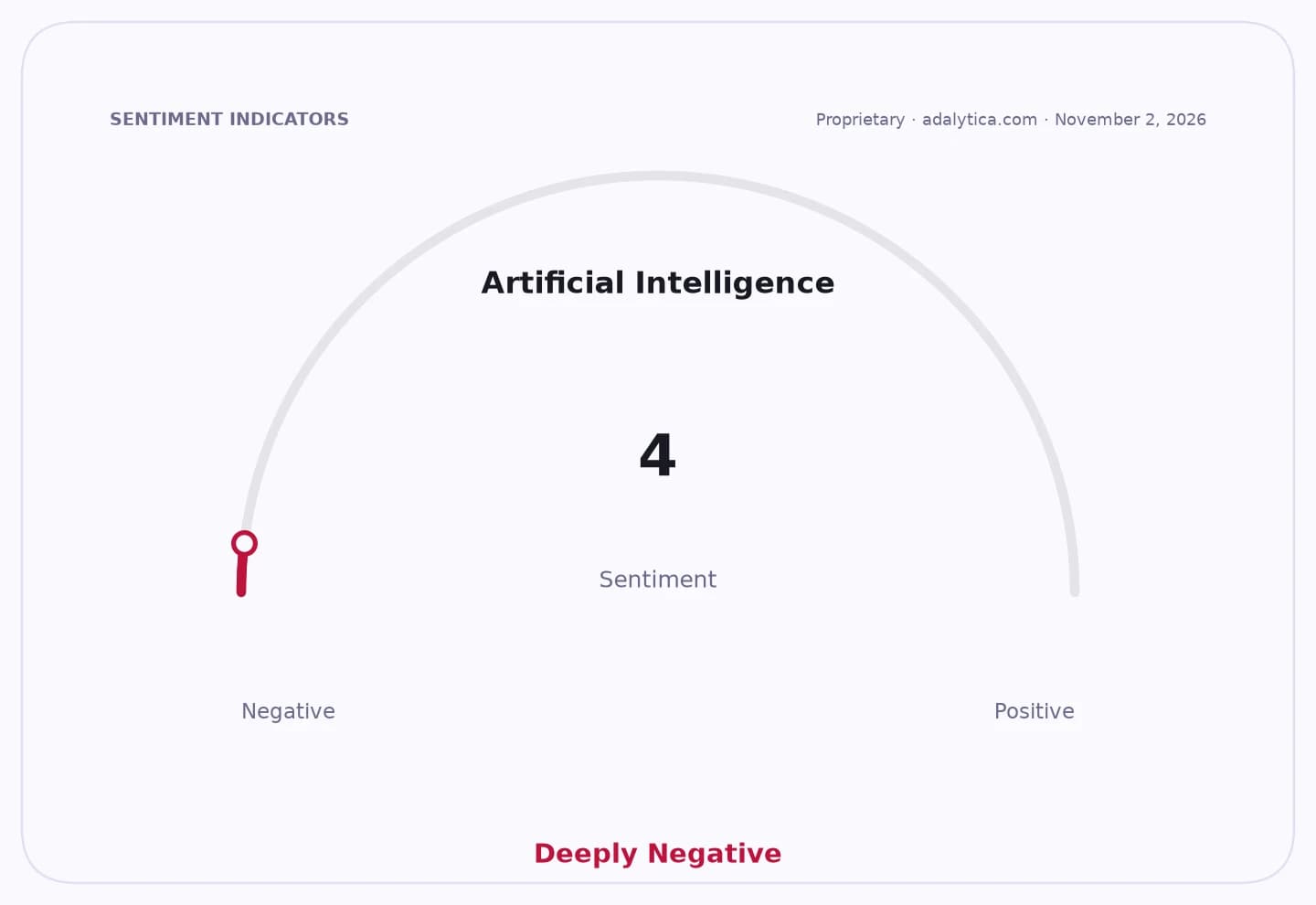
Sentiment Indicators
Investors already know this is not an abstract debate. Meta is trading around $621 after a violent slide from above $760 in mid-October, with its relative strength index still deeply oversold and the shares below both the 50-day and 200-day moving averages. Alphabet is down near $280, also under both key moving averages, while Snap remains a highly speculative $5.59 stock even after a rebound from late-October lows. The market is saying what the Lancet framing is spelling out: platform risk is no longer just about growth, but about the hidden liabilities created by scale.
The health argument cuts straight into the earnings model. Meta’s recent filing says it faces multiple lawsuits tied to platform and user data practices, biometric technology, harmful content and third-party data access. Alphabet’s filing points to ongoing legal and regulatory scrutiny, while Snap has disclosed litigation tied to ad-platform changes that hit revenue in the first half of 2025. Those are not isolated legal footnotes. They are signs that the same systems optimized for advertising can also generate costs that compound over time.
For long-term investors, the lesson is not to abandon Big Tech. Meta and Alphabet still have formidable cash generation, global reach and advertising moats that are hard to replicate. But the healthier investment approach is to recognize that platform dominance carries a governance and social-cost discount that can rise over time. If regulators, courts and public-health researchers keep pushing the idea that digital design itself is a determinant of health, then the winners will be the companies that can preserve engagement without becoming trapped by the harms of engagement at any cost.
That is why patience matters more than prediction here. The best investors will treat these names as durable businesses with real risks, not as frictionless compounding machines. For anyone building a long-term portfolio, the right move is to watch how these platforms adapt their ad models, safety tools and data practices — because the next leg of returns may depend less on how much data they collect and more on how responsibly they use it.
| Entity | Gains | Losses |
|---|---|---|
| Meta Platforms | ▲Scale and ad revenue | ▼Higher legal and health scrutiny |
| Alphabet | ▲Search and ad durability | ▼Regulatory and compliance costs |
| Snap | ▲User engagement rebounds | ▼Litigation and business-model pressure |
| Investors in platform stocks | ▲Long-term cash flow potential | ▼Margin and valuation risk |