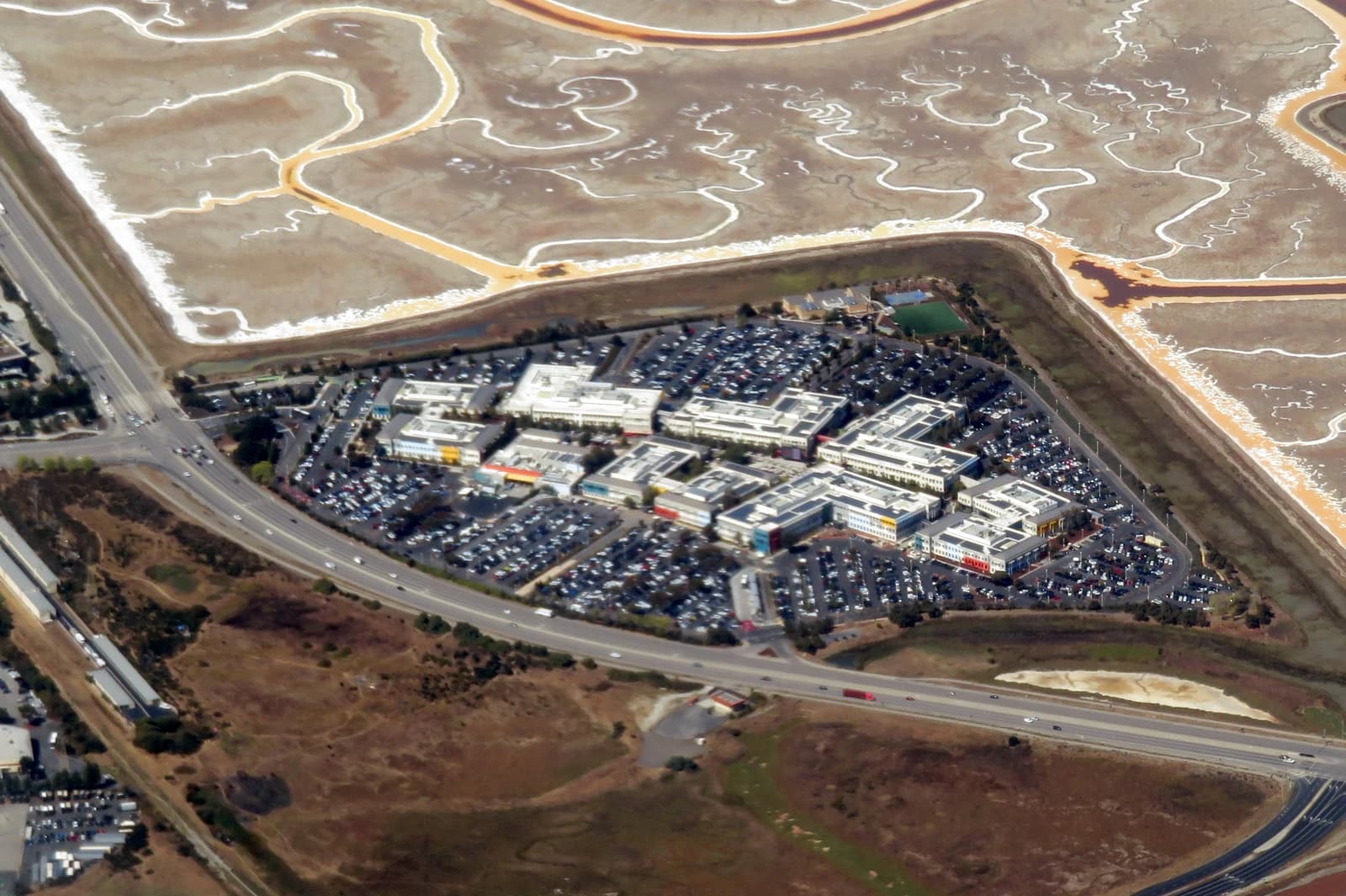
Meta is preparing to raise at least $20 billion in a bond sale, a sign that the race to build artificial intelligence infrastructure is now big enough to reshape corporate financing as well as the technology industry.
Meta plans $20 billion bond sale for AI spending
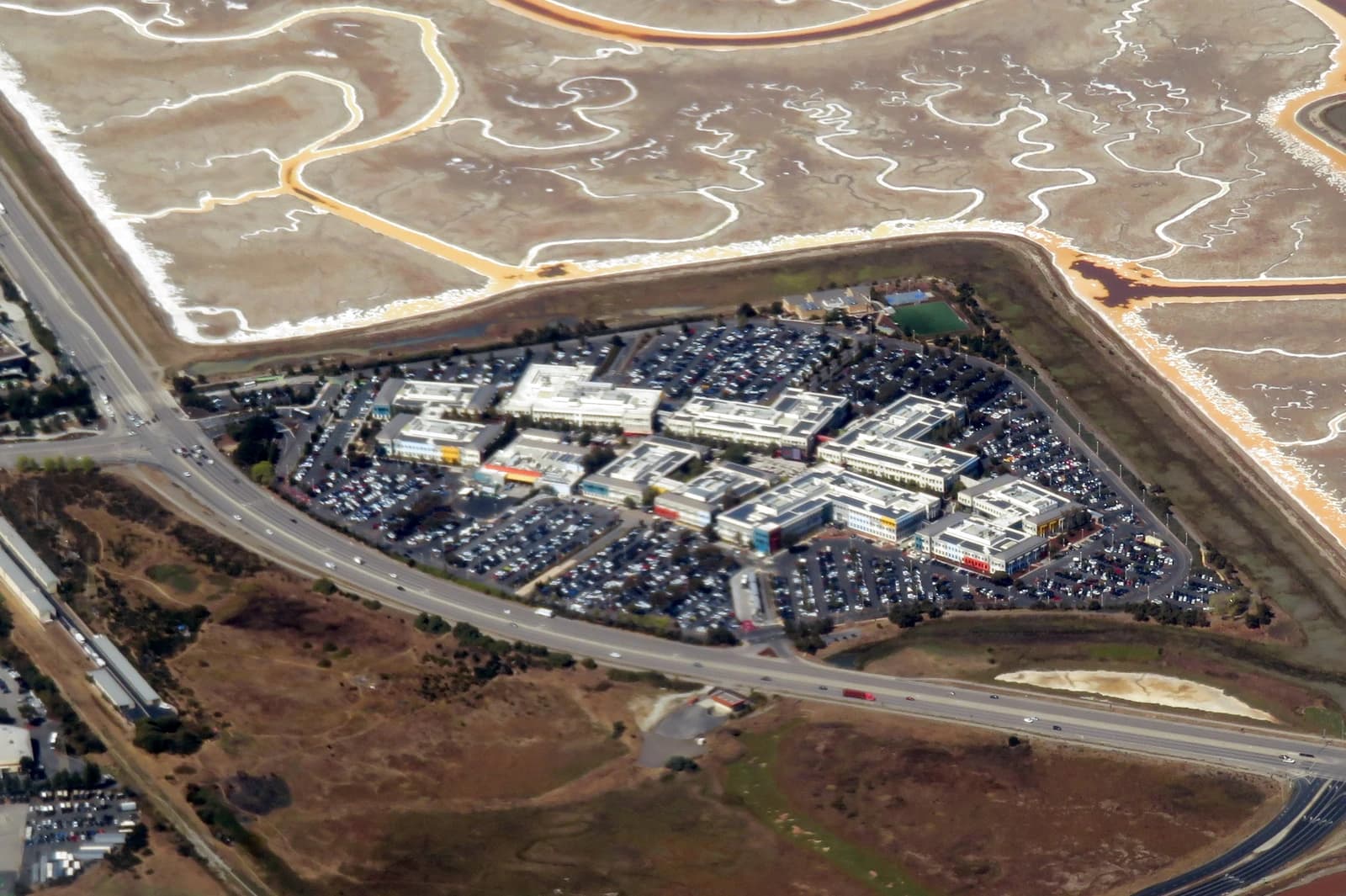
That matters because Meta is no longer relying only on its cash flow to bankroll the data centers, chips and networking gear needed for AI. It is turning to debt markets after already laying out plans for its largest-ever equity raise, underscoring how expensive the next phase of the AI arms race has become.
Sentiment Indicators
Bloomberg reported that the potential offering would include dollar bonds and euro debt with maturities stretching from roughly four years to more than 38 years. Meta has asked Citigroup and Morgan Stanley to arrange investor calls, but no final decision has been made and the size could still increase depending on demand.
For investors, the message is straightforward: the AI boom is becoming capital intensive in a way that favors the biggest platforms. Meta, Microsoft and Alphabet can still raise enormous sums at scale, but the need to do so highlights how much of the payoff from AI will arrive later, not immediately. That can keep pressure on margins and free cash flow even as revenue growth remains strong.
Meta’s financing push also comes after it priced $25 billion of common stock and $12.5 billion of mandatory convertible preferred shares, while planning up to $60 billion more through an at-the-market share sale program. In other words, this is not a one-off capital raise. It is a full financing strategy for a company trying to keep pace in one of the most expensive infrastructure cycles in corporate history.
The stock has already shown how much investor sentiment can swing around AI spending. Meta shares have been volatile, and the recent price action suggests the market is still weighing the long-term prize against the near-term cost. Conventional technical indicators such as the 50-day moving average, RSI readings and MACD have all reflected that volatility, but the real story is more fundamental: management is willing to lean on both equity and debt to avoid falling behind.
That should appeal to long-term investors who believe AI infrastructure will become a durable competitive advantage. If Meta turns those investments into better ad targeting, higher engagement and new AI products, today’s borrowing could look cheap in hindsight. If the returns take longer to show up, the balance sheet will carry the burden.
For now, Meta’s bond plans are worth watching because they confirm the scale of the opportunity — and the cost — of staying in the AI race. Investors should think in years, not quarters, and judge the company by whether this spending eventually compounds into stronger cash generation.
| Entity | Gains | Losses |
|---|---|---|
| Meta | ▲More capital for AI buildout | ▼Higher leverage and financing costs |
| Bond investors | ▲Investment-grade paper from a cash-rich issuer | ▼Duration risk if rates rise |
| Equity holders | ▲Potentially stronger AI moat long term | ▼Dilution and slower near-term returns |
| AI rivals | ▲Pressure to keep spending | ▼If they cannot match Meta’s scale |