Mississippi Attorney General Lynn Fitch has laid out how the state will spend its $189 million share of the Meta social-media settlement, turning a legal victory into a decade-long funding stream for youth mental health and child-focused programs.
Meta settlement funds Mississippi youth mental health

The filing matters because it moves the settlement from headline to implementation. Under Fitch’s consent decree, Mississippi will receive about $18.8 million a year for 10 years, with the money routed through the state’s contingent fund and then divided among agencies under legislative control. The structure gives Fitch’s office influence over the parameters of spending, but lawmakers will still decide the specific appropriations.
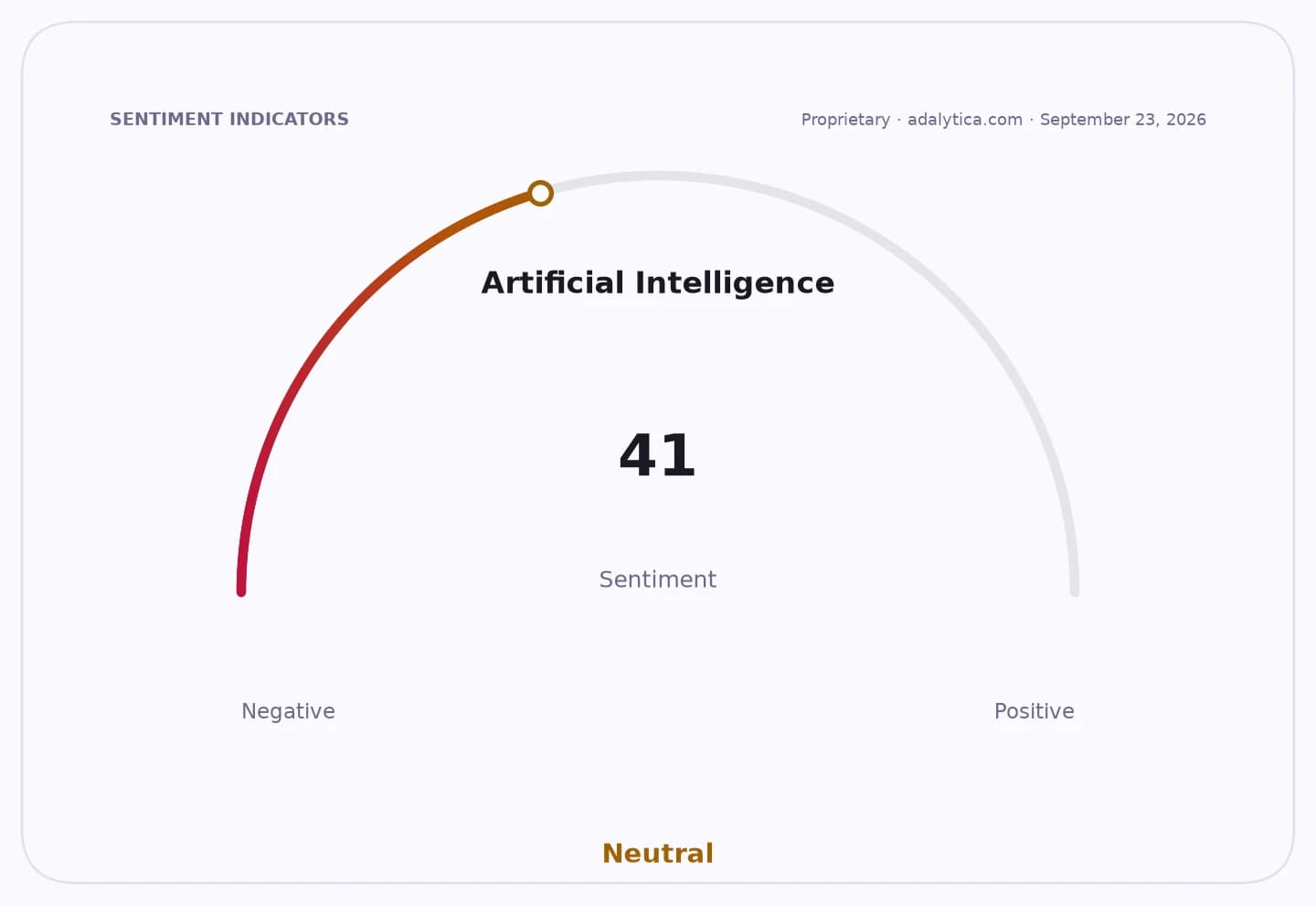
Sentiment IndicatorsⓘProprietary · adalytica.com · September 17, 2026
This is a snapshot — live sentiment, awareness and momentum for 130+ markets update continuously in the dashboard.Open AlphaPulse

For Meta, the agreement is part of a wider effort to put a price on litigation that has grown into a material overhang on the company’s balance sheet and its public policy posture. Meta has already warned in filings that legal proceedings could carry damages in the hundreds of billions of dollars, and the Mississippi plan comes as the company faces broader scrutiny over whether its platforms were designed to keep children engaged in ways that worsened mental health outcomes.
The economics for Mississippi are less about the size of the windfall than how it is used. The state’s youth mental health system is thinly stretched, with roughly one school psychologist for every 10,000 public school students, according to cited data in the report. Fitch’s proposal channels the main settlement proceeds toward agencies that could fund school-based mental health services, child programs or other prevention efforts, while a separate $6.1 million Cambridge Analytica-related payment would go directly to the Department of Mental Health for youth programs.
That makes the settlement both a fiscal event and a policy test. Mississippi has often used large legal recoveries from tobacco and opioids as quasi-budgetary tools, but those funds have also been politically contested. Fitch’s plan preserves legislative discretion while still steering the money toward child welfare, a balance that could shape how future settlement proceeds are handled in the state.
For investors, the immediate cash impact on Meta is manageable relative to its scale, but the precedent is important. The company’s platform design, youth safety standards and legal exposure are now being negotiated in statehouses and courtrooms, not just in Washington. The settlement also comes with operational commitments — including daily time limits for children, school-hour restrictions, age verification and content controls — that may influence product design and regulatory expectations across the sector.
The broader market read-through extends beyond Meta. Other platforms named in the litigation, including Snap, TikTok and YouTube, could face similar settlement pressure, especially if Mississippi’s share rises toward $270 million as additional agreements are reached. For investors, that keeps legal risk alive across the social-media complex even as companies continue to emphasize advertising growth and user engagement.
Meta shares have held up well in recent trading, but the stock’s technical setup has been volatile, with the price moving sharply around its 50-day and 200-day moving averages over recent months. That backdrop suggests investors are still balancing strong core business momentum against recurring legal and regulatory risk.
The larger narrative is that a lawsuit framed around child safety is becoming a funding mechanism for public health, while also embedding more constraints into how the biggest social platforms operate. If Mississippi’s plan is approved and other states follow suit, the settlement could set a template for using tech litigation proceeds to finance the social costs of digital addiction.
| Entity | Gains | Losses |
|---|---|---|
| Mississippi agencies | ▲Long-term funding | ▼Budget flexibility |
| Youth mental health programs | ▲Dedicated support | ▼Uncertain scale of need |
| Meta | ▲Legal clarity | ▼Cash and policy burdens |
| Snap, TikTok, YouTube | ▲Settlement benchmark | ▼Higher litigation pressure |