Two Ontario gurudwaras have been pulled into a high-stakes mortgage dispute after a loan originally capped at 1.5 million Canadian dollars, or about Rs 10.26 crore, swelled into a claim for more than Rs 88.9 crore in interest, prompting a court order blocking any sale of the Brampton property until January.
Ontario gurudwaras face Brampton mortgage dispute
The case matters because it shows how quickly leveraged property-backed financing can spiral when payments stop and interest rates climb, especially in transactions built around religious or community assets that are not usually seen as conventional commercial collateral. For creditors, the court’s intervention preserves whatever value remains in the collateral. For the gurudwaras and their management, it freezes a property and potentially complicates any refinancing or asset sale while the litigation runs its course.
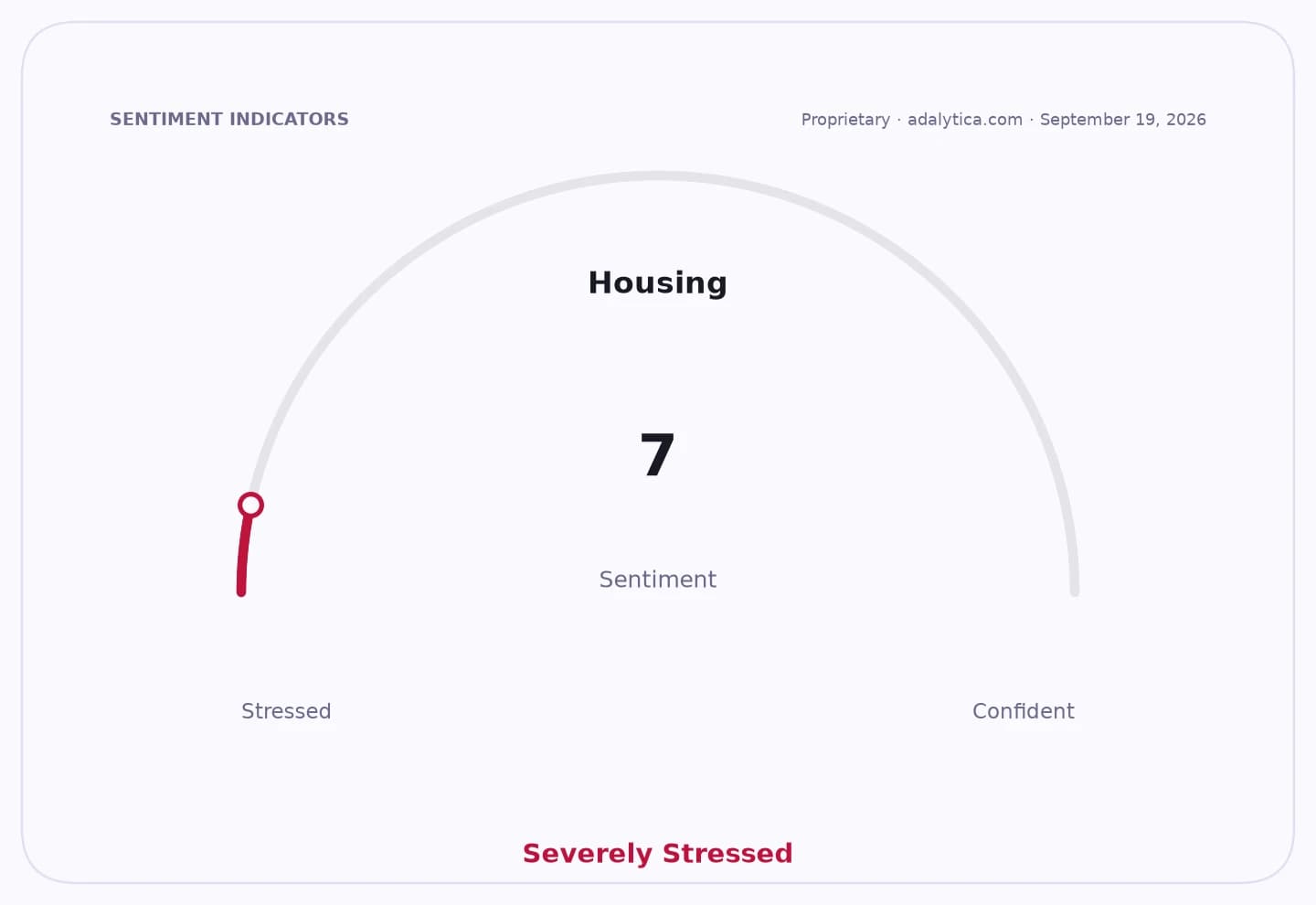
Sentiment IndicatorsⓘProprietary · adalytica.com · September 24, 2026
This is a snapshot — live sentiment, awareness and momentum for 130+ markets update continuously in the dashboard.Open AlphaPulse
According to court filings cited in Indian-language reports, SSMT Management and Oculus Mortgage GP extended the financing to Sikh Spiritual Centre Toronto and Nanaksar Thath Isher Darbar, with the loan limit first set at C$1 million on April 25 and raised to C$1.5 million on May 20. The lenders say about C$821,000, or roughly Rs 8.26 crore, was disbursed, but non-payment pushed the interest bill above C$1.3 million, or around Rs 8.89 crore. The loan carried 15% annual interest initially before being raised to 24%, a level that makes carrying costs punitive and accelerates pressure to resolve or enforce.
Ontario Superior Court Justice Frederick L. Myers on Sept. 11 barred the sale of the Brampton gurudwara property and any new borrowing against it until the next hearing in January. That order is economically significant because it effectively protects the lenders from asset dissipation while limiting the borrower’s ability to raise replacement financing or dispose of property to settle the debt. In distressed-credit terms, it is a classic fight over collateral control, not just repayment.
The dispute also raises questions about legal execution and governance. The lenders allege that the Brampton property was meant to be included as security through a second charge, but that the process was not completed. Lawyers for the parties offer sharply different versions of whether the matter is already close to resolution. The legal record also shows transfers between trust accounts and the gurudwaras, and references to a separate cheque-fraud matter involving disputed funds, adding another layer of reputational and compliance risk.
For investors, the story is a reminder that private credit and mortgage-style lending can look attractive when yields are high, but enforcement risk rises sharply when the collateral is operationally sensitive, the borrower is not a standard commercial entity, and the documentation is contested. The broader backdrop also matters: with benchmark U.S. Treasury yields still near 5% on the 10-year and credit spreads only moderately tight, high-rate financing remains expensive, making any delay in resolution more damaging for borrowers and more valuable for lenders with enforceable security.
The bull case for the lenders is that the court freeze preserves collateral value and increases the odds of recovery. The bear case is that legal disputes over security, use of funds and property title can turn a straightforward credit problem into a prolonged litigation over both money and control. The next catalyst is the January hearing, which will determine whether the lenders can move closer to enforcement or whether the parties reach a settlement that averts a forced sale.
| Entity | Gains | Losses |
|---|---|---|
| SSMT Management / Oculus Mortgage GP | ▲Collateral protection | ▼Delay in recovery |
| Gurudwaras / management | ▲Temporary sale freeze | ▼Refinancing pressure |
| Lenders’ legal position | ▲Enforcement leverage | ▼Litigation costs |
| Community stakeholders | ▲Time to negotiate | ▼Reputation risk |