US lawmaker Raja Krishnamoorthi is escalating pressure on Big Tech, saying major platforms are monetizing a surge in anti-South Asian hate online just as Congress faces renewed scrutiny over threats to Indian-American and Hindu communities.
Meta, Snap face backlash over anti-South Asian hate

The Illinois Democrat said hateful posts targeting South Asians on X have risen more than 240%, a jump that raises fresh regulatory and reputational risk for social media companies whose business models rely on engagement at scale. For investors, the issue goes beyond moderation optics: platforms that fail to police harmful content can face tighter oversight, advertiser pullback and longer-term brand damage.
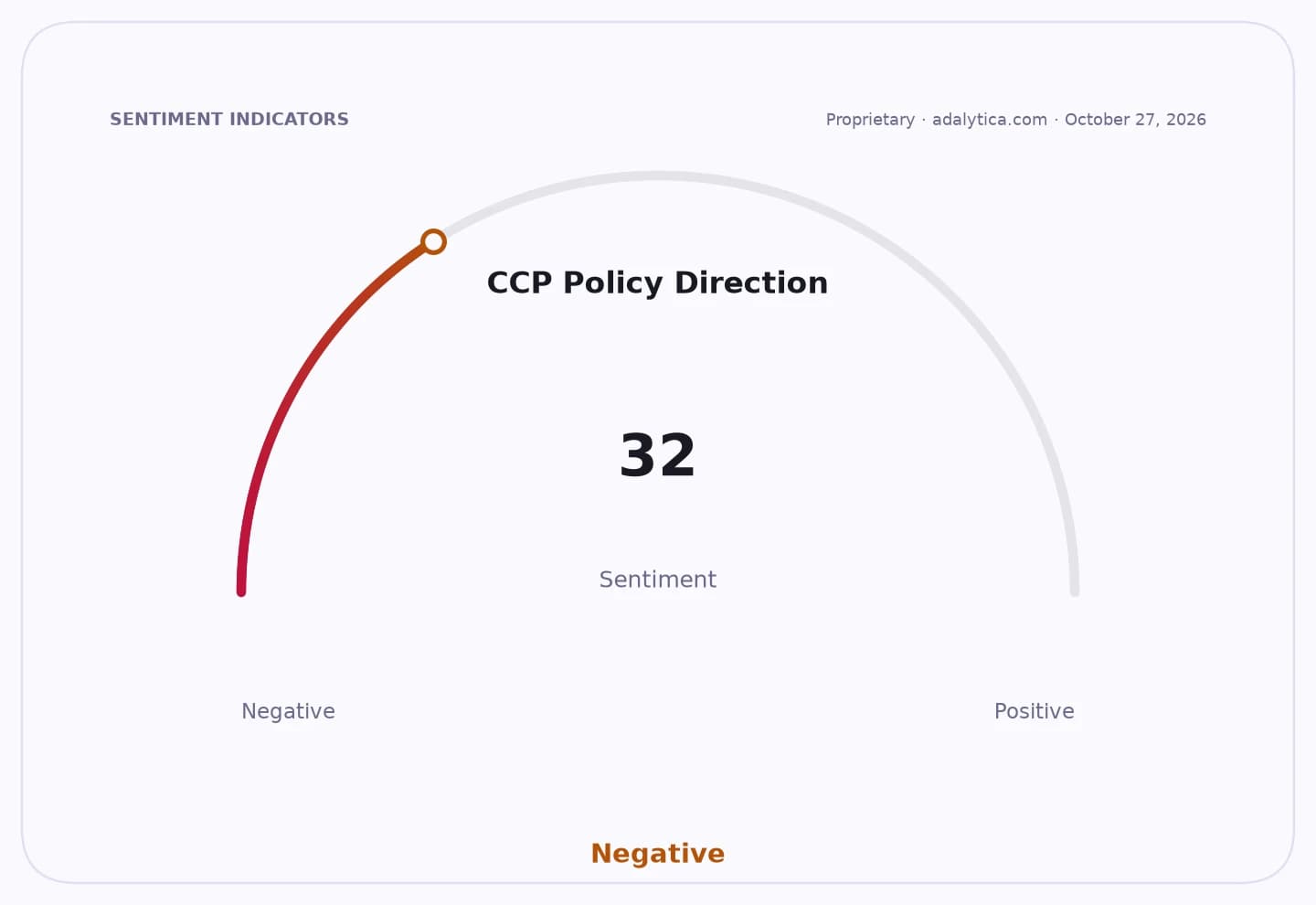
Sentiment IndicatorsⓘProprietary · adalytica.com · October 28, 2026
This is a snapshot — live sentiment, awareness and momentum for 130+ markets update continuously in the dashboard.Open AlphaPulse

Krishnamoorthi’s warning comes after an alleged plot to attack a Hindu temple in Aurora, Illinois, where he and his family were present. Prosecutors say 19-year-old Alexandros Paporakis allegedly spent two years planning a mass shooting before his rifle malfunctioned, with investigators finding an eight-page manifesto, ammunition, body armor and white supremacist material.
The congressman pointed to a September 2026 report that identified more than 542,000 anti-South Asian hateful posts on X between January 2025 and June 2026, adding that the monthly volume rose about 240% from January 2024 through June 2026. He said the companies have little financial incentive to remove content that drives attention and engagement, and urged federal action, though he did not name specific legislation.
The push is also gaining institutional backing. On Oct. 20, Krishnamoorthi led 105 lawmakers in asking FBI Director Kash Patel to investigate the temple incident as a possible federal hate crime and to assess whether online platforms helped facilitate threats against Indian-Americans, Hindu-Americans, Sikhs and other South Asian groups. The lawmakers asked for a written response by Oct. 29.
For platforms such as Meta and Snap, the controversy revives a familiar risk: content moderation can hit engagement, while inaction invites political backlash and potential regulation. Meta’s shares have retreated from recent highs and remain below their late-September peak, while Snap has also traded sharply lower than earlier in the year, reflecting a market that remains sensitive to any policy or reputational shock.
The broader debate is likely to intensify as lawmakers weigh stricter accountability standards for online hate speech. Any move toward tougher federal rules or expanded FBI scrutiny could force platforms to spend more on enforcement and compliance, even as they try to preserve user growth and ad revenue.
| Entity | Gains | Losses |
|---|---|---|
| South Asian communities | ▲Greater scrutiny of hate speech | ▼Ongoing exposure to threats |
| Big Tech platforms | ▲User engagement from viral content | ▼Political and regulatory pressure |
| Meta, Snap and peers | ▲None immediately | ▼Moderation costs, brand risk |
| Congress/FBI | ▲Case for tighter oversight | ▼Pressure to act quickly |