WhatsApp is moving AI from a consumer novelty to a revenue tool for small businesses in Nigeria, a shift that could deepen Meta’s grip on one of Africa’s largest digital commerce markets.
Meta WhatsApp AI Campaign for Nigerian SMEs

The company’s new “Power Your Hustle With WhatsApp Business” campaign spotlights entrepreneurs in Lagos, Ibadan and Abuja using catalogs, customer lists and a Meta Business Agent to automate sales, recommend products and close transactions even when founders are offline. For a market built around informal trade and constant mobile messaging, that matters because it turns WhatsApp into a lightweight operating system for commerce rather than just a chat app.
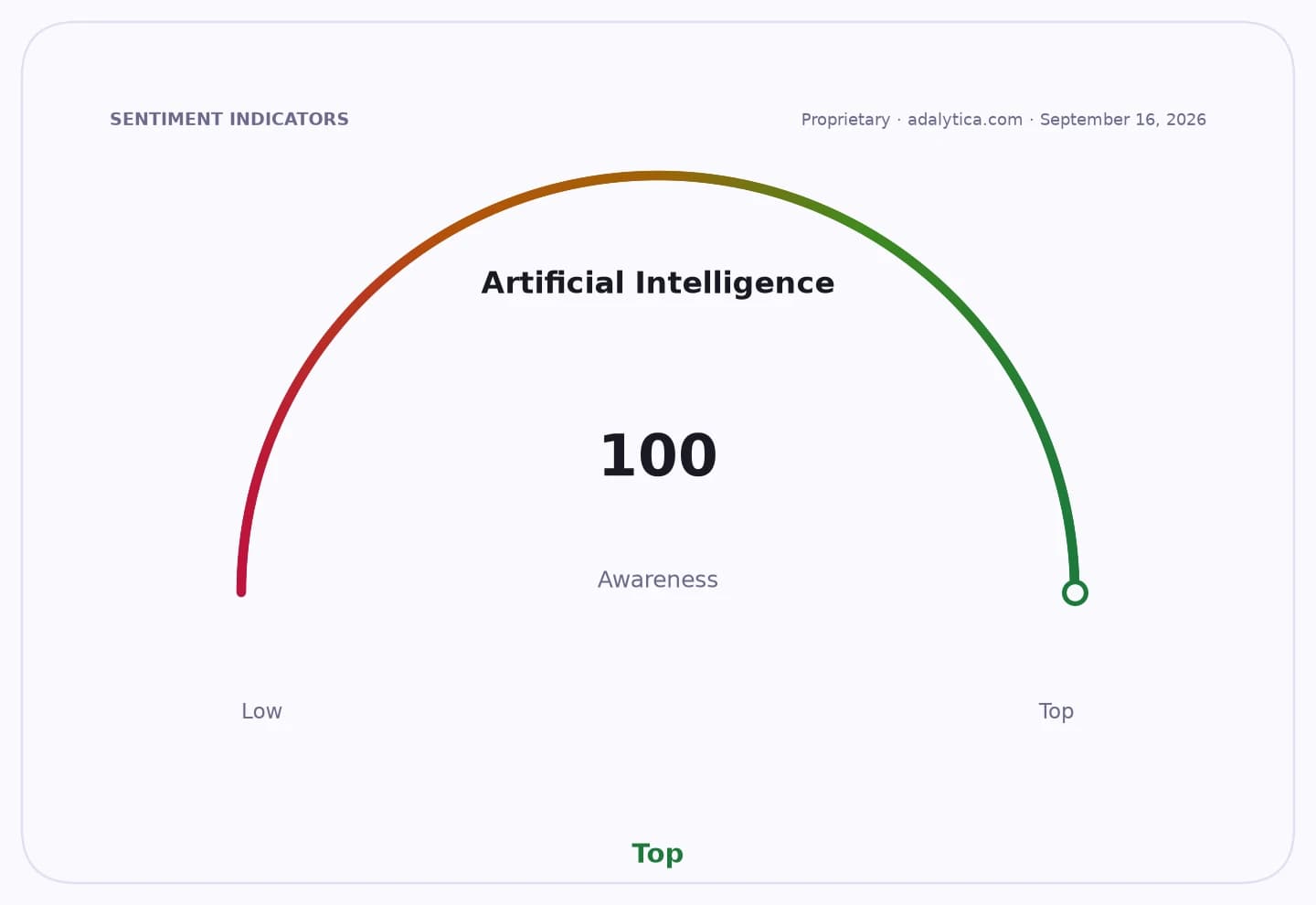
Sentiment IndicatorsⓘProprietary · adalytica.com · September 11, 2026
This is a snapshot — live sentiment, awareness and momentum for 130+ markets update continuously in the dashboard.Open AlphaPulse

The strategic value for Meta is clear. WhatsApp already has the distribution, trust and daily usage patterns that software vendors spend years trying to build. If the platform can become the default sales channel for small and medium-sized enterprises, it strengthens user retention, expands the company’s business messaging ecosystem and opens a path to more monetizable services in markets where traditional e-commerce infrastructure remains uneven.
For Nigerian SMEs, the appeal is speed and reach. Many firms lack the capital or technical staff to build standalone websites, payment systems or customer-service teams. A messaging platform that can automate product discovery and order-taking lowers the cost of selling online and extends business hours without adding payroll. In a country where millions of transactions already begin in chat threads, that is a practical upgrade, not a branding exercise.
The campaign also fits Meta’s wider product strategy, which has increasingly leaned on AI to make its core apps more useful for businesses. That helps explain why investors view the company’s AI buildout through both a cost and monetization lens: the spending is heavy, but features that translate directly into commercial activity can improve the return on that investment faster than consumer-facing AI tools alone.
Meta’s shares were last around $644, up sharply from a recent low near $525 in late March, though the stock has remained volatile. Standard technical indicators suggest the move has been strong, with the shares trading above both the 50-day and 200-day moving averages and the relative strength index still elevated. That leaves the market rewarding Meta for execution, while also making it more sensitive to any sign that AI investments are not feeding revenue growth.
The bull case is that WhatsApp business tools deepen engagement across a massive user base and create a defensible monetization layer in emerging markets. The bear case is that adoption by SMEs may be uneven, especially where internet quality, payment rails and training remain patchy, limiting near-term revenue impact. Investors will be watching whether Meta can convert these localized use cases into broader adoption across other markets and whether business messaging can become a more meaningful contributor to growth.
For now, the Nigerian campaign shows where Meta’s AI ambitions are heading: less about flashy demonstrations, more about embedding artificial intelligence into everyday commerce for millions of small merchants.
| Entity | Gains | Losses |
|---|---|---|
| Meta | ▲Deeper business messaging usage | ▼Higher AI execution risk |
| Nigerian SMEs | ▲Lower sales friction | ▼Dependence on WhatsApp |
| WhatsApp Business users | ▲Automated selling tools | ▼Less need for standalone storefronts |
| Rival e-commerce platforms | ▲— | ▼Lost entry point to informal trade |