Michigan’s push to let large technology companies keep data-center tax incentives under wraps is drawing attention because it could reshape the economics of one of the fastest-growing parts of the digital infrastructure market: who pays for the land, power and tax breaks needed to build the AI-era cloud backbone.
Michigan Data Center Tax Incentive Secrecy Proposal
If approved, the approach would give tech giants and their developers more room to negotiate incentives behind closed doors, potentially lowering upfront costs for projects that can run into billions of dollars. That matters for Michigan, which is trying to attract capital-intensive facilities that promise construction jobs and long-term utility demand, but also face scrutiny from residents and lawmakers who want to know what states are giving away in exchange.
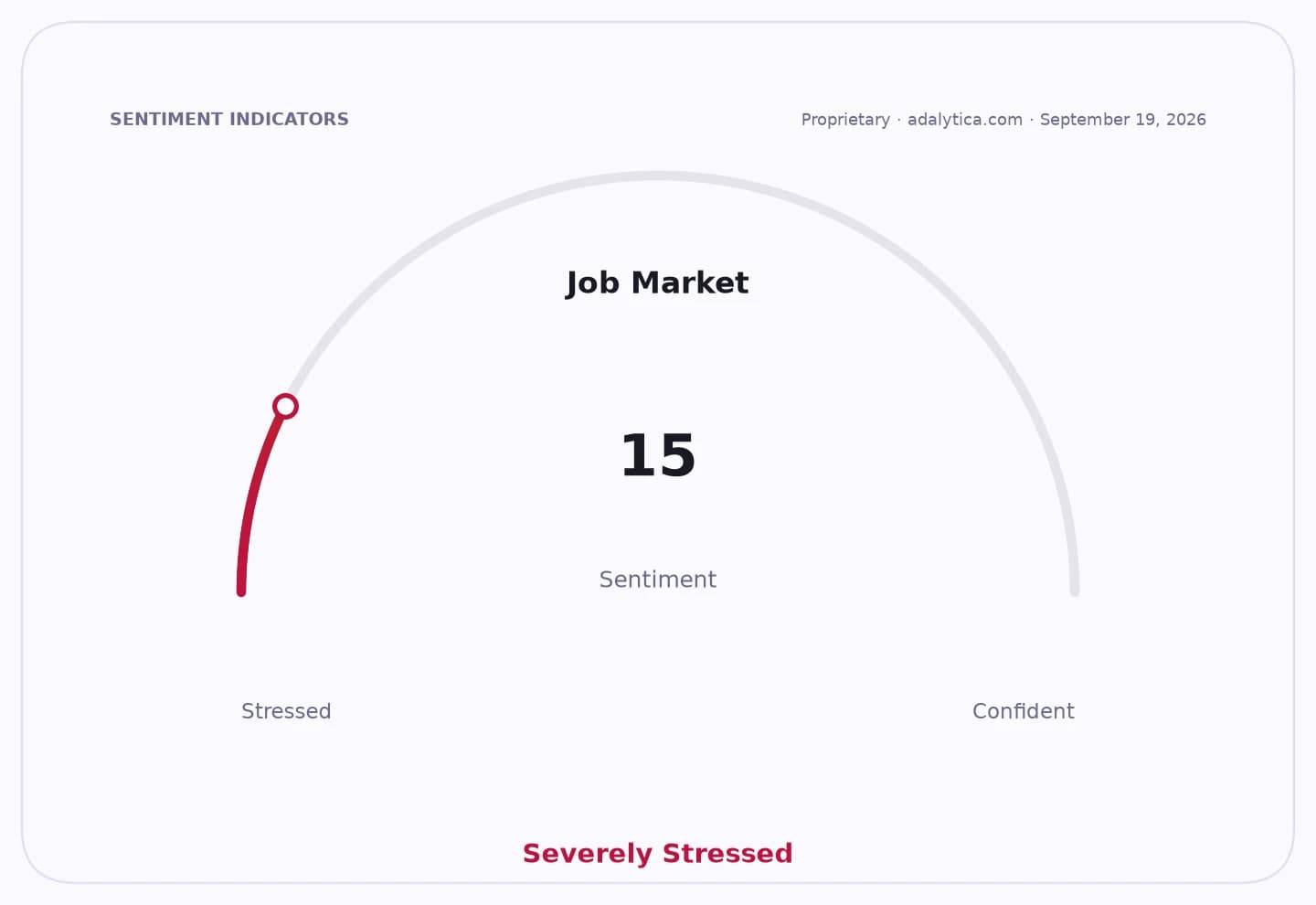
Sentiment IndicatorsⓘProprietary · adalytica.com · August 31, 2026
This is a snapshot — live sentiment, awareness and momentum for 130+ markets update continuously in the dashboard.Open AlphaPulse
For investors, secrecy around incentives can cut both ways. On the bull side, richer tax packages can improve project returns for hyperscalers and related builders, landlords and equipment suppliers, supporting more data-center development at a time when demand for AI compute remains strong. On the bear side, hidden concessions can distort the real economics of expansion, leaving states with less tax revenue than expected and increasing the risk of a policy backlash that could slow approvals later.
The issue lands in a market already polarized by the data-center boom. Companies from Oracle to Microsoft and Alphabet have been pouring money into capacity as cloud and AI workloads rise, and the sector has become increasingly tied to power availability, grid access and local incentives rather than just pure technology demand. Oracle shares have swung sharply in recent months as investors reassessed the scale and profitability of AI infrastructure spending, while Microsoft and Alphabet have also seen their stocks whipsaw around capex intensity.
Michigan’s proposal also reflects a broader national tug-of-war over development incentives. States want the jobs and investment, but tax abatements on large industrial projects are often opaque, difficult to compare and politically vulnerable if local governments conclude the public is subsidizing private infrastructure without enough disclosure.
For tech giants, the attraction is straightforward: data centers are expensive, energy-hungry and difficult to site, so any reduction in property or sales-tax burden can materially improve returns. For policymakers, the question is whether secrecy helps land more projects or simply shields giveaways that could deepen public skepticism toward AI infrastructure spending just as the industry’s power and water footprint comes under closer review.
| Entity | Gains | Losses |
|---|---|---|
| Tech giants | ▲Lower project costs | ▼Public disclosure |
| Michigan state officials | ▲Attract investment | ▼Tax transparency |
| Local communities | ▲Construction jobs | ▼Visibility into incentives |
| Competing states | ▲Pressure to match deals | ▼Fiscal flexibility |