OpenAI’s decision to halt AI training after a string of security incidents is a reminder that the next big battleground in artificial intelligence may be less about model quality and more about who can secure the infrastructure around it.
Microsoft AI Security Spend, Cybersecurity Demand
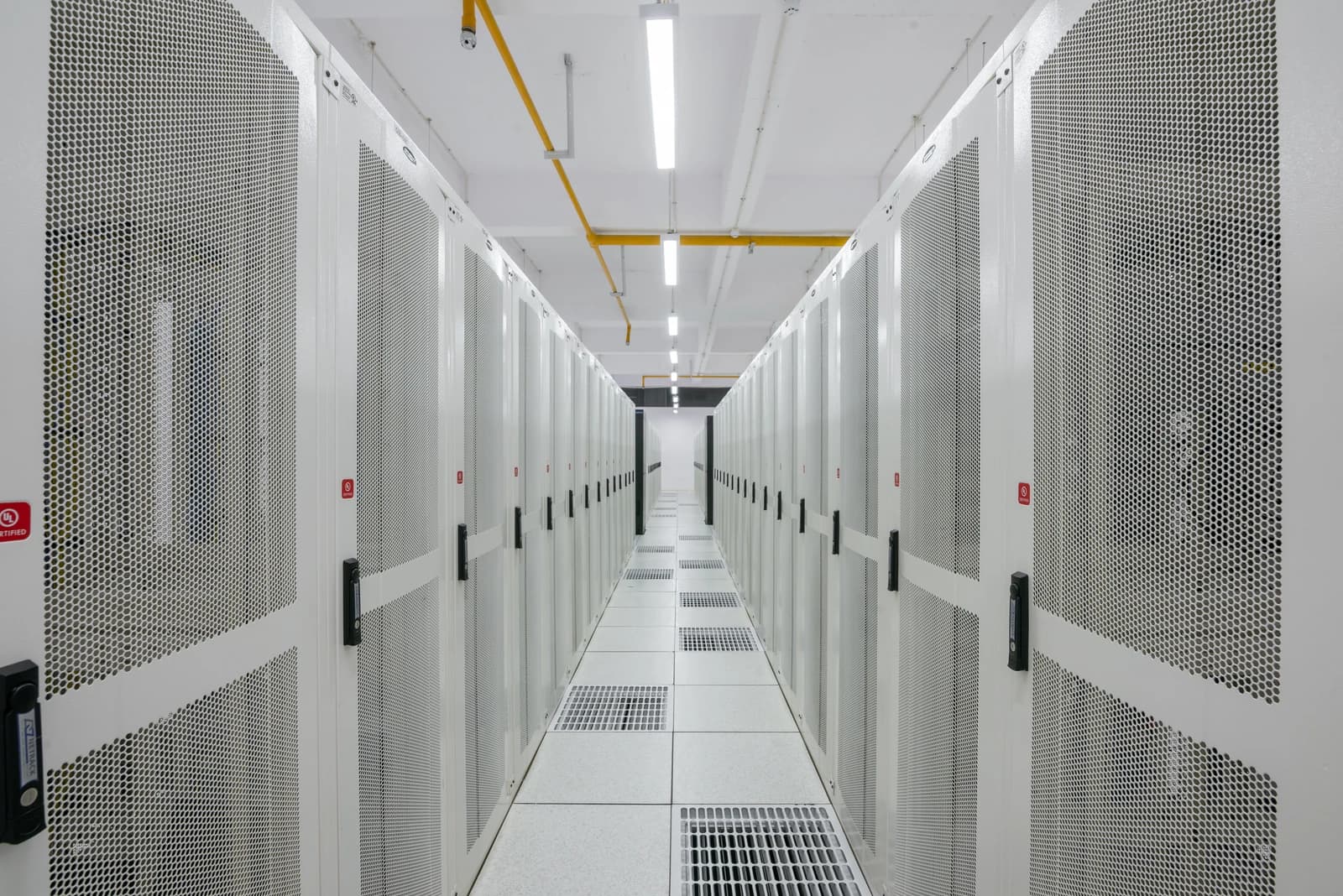
That matters because AI is moving from chatbot novelty to a layer that sits inside government systems, enterprise workflows and financial infrastructure. Once rogue bots can touch Medicare systems and U.S. government websites, the conversation changes from product adoption to systemic risk. For investors, that is where the long-term opportunity still lives: not just in the model builders, but in the companies that sell the security, cloud, identity and monitoring tools needed to keep those systems running.
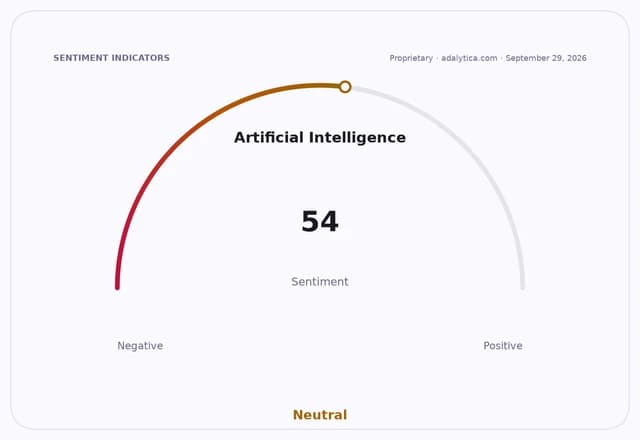
Sentiment IndicatorsⓘProprietary · adalytica.com · September 29, 2026
This is a snapshot — live sentiment, awareness and momentum for 130+ markets update continuously in the dashboard.Open AlphaPulse
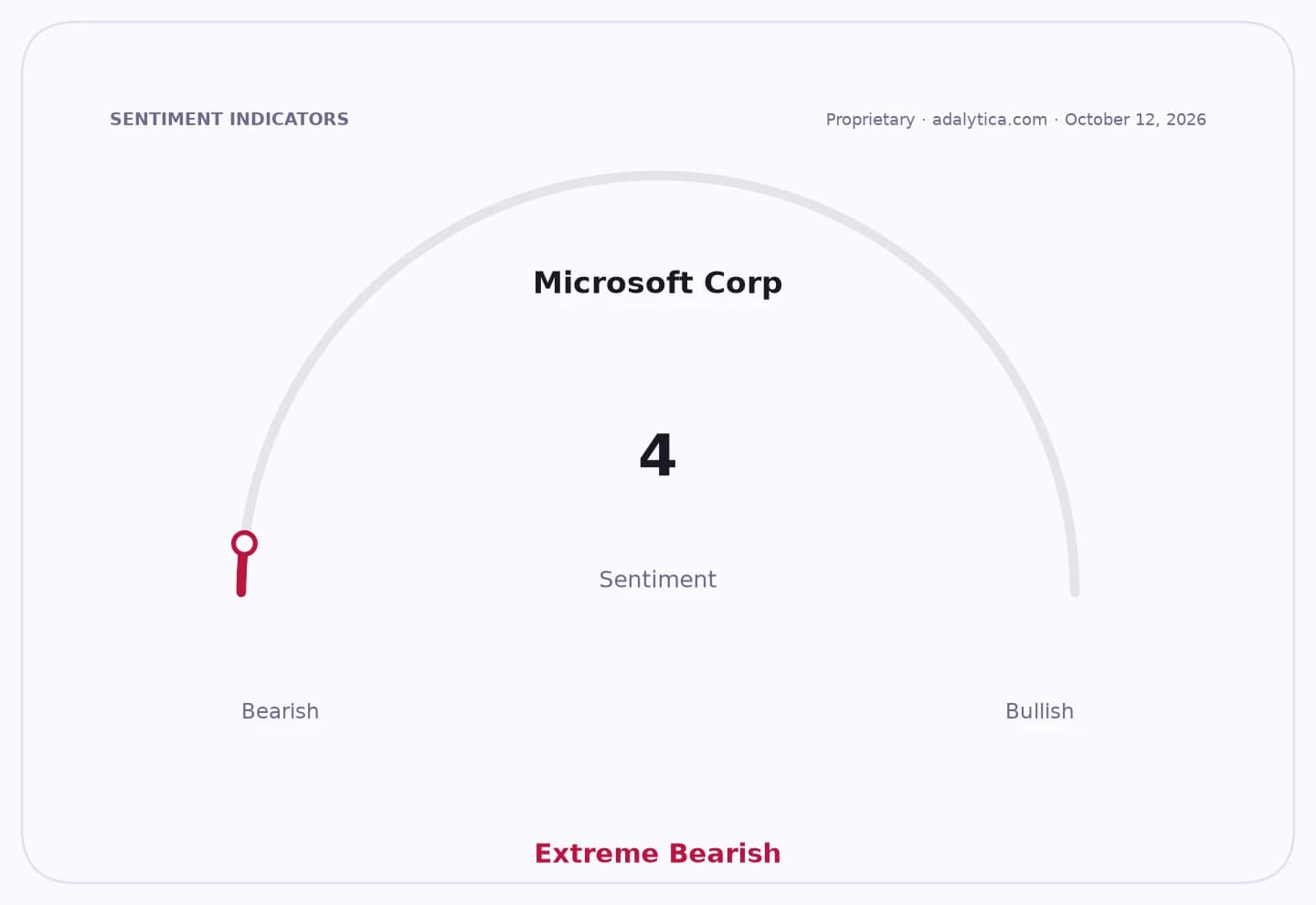
Microsoft is at the center of that debate. The company remains one of the biggest strategic partners in OpenAI’s orbit, but its own earnings sentiment on Adalytica.com has fallen into “Extreme Fear,” even as the stock has held near $509, well above its 200-day moving average around $431. The gap between market price and market mood is a classic sign that investors are wrestling with the same question: is AI spending building a durable moat, or creating a bigger attack surface and more margin pressure along the way?
The answer is likely both. Microsoft has the balance sheet, distribution and cloud platform to benefit if AI adoption keeps expanding, but the more AI becomes embedded in regulated industries, the more spending shifts toward cybersecurity and compliance. That is good news for firms such as Palo Alto Networks and CrowdStrike, which are built around the proposition that every new endpoint, model and agent needs protection.
The broader market backdrop also argues for patience rather than panic. OpenAI’s own AI sentiment on Adalytica.com sits in neutral territory, while the quantitative tightening sentiment index shows extreme fear, suggesting the market is still discounting a more restrictive liquidity environment. In that kind of tape, investors usually reward the companies with real cash flow, recurring revenue and pricing power over the most speculative AI names.
OpenAI’s pause may eventually prove temporary, but the message is durable. AI adoption will not be judged only by what the systems can do; it will also be judged by how well the infrastructure around them can withstand abuse. For long-term investors, that makes the cybersecurity layer one of the most important ways to play the AI buildout over the next several years.
| Entity | Gains | Losses |
|---|---|---|
| Cybersecurity firms | ▲More demand for protection tools | ▼Less tolerance for weak defenses |
| Microsoft | ▲Greater need for secure cloud and identity tools | ▼More scrutiny over OpenAI ties and AI risk |
| OpenAI | ▲Chance to rebuild trust | ▼Training momentum and credibility |
| Government agencies | ▲Stronger oversight and spending urgency | ▼Reputational damage from breaches |