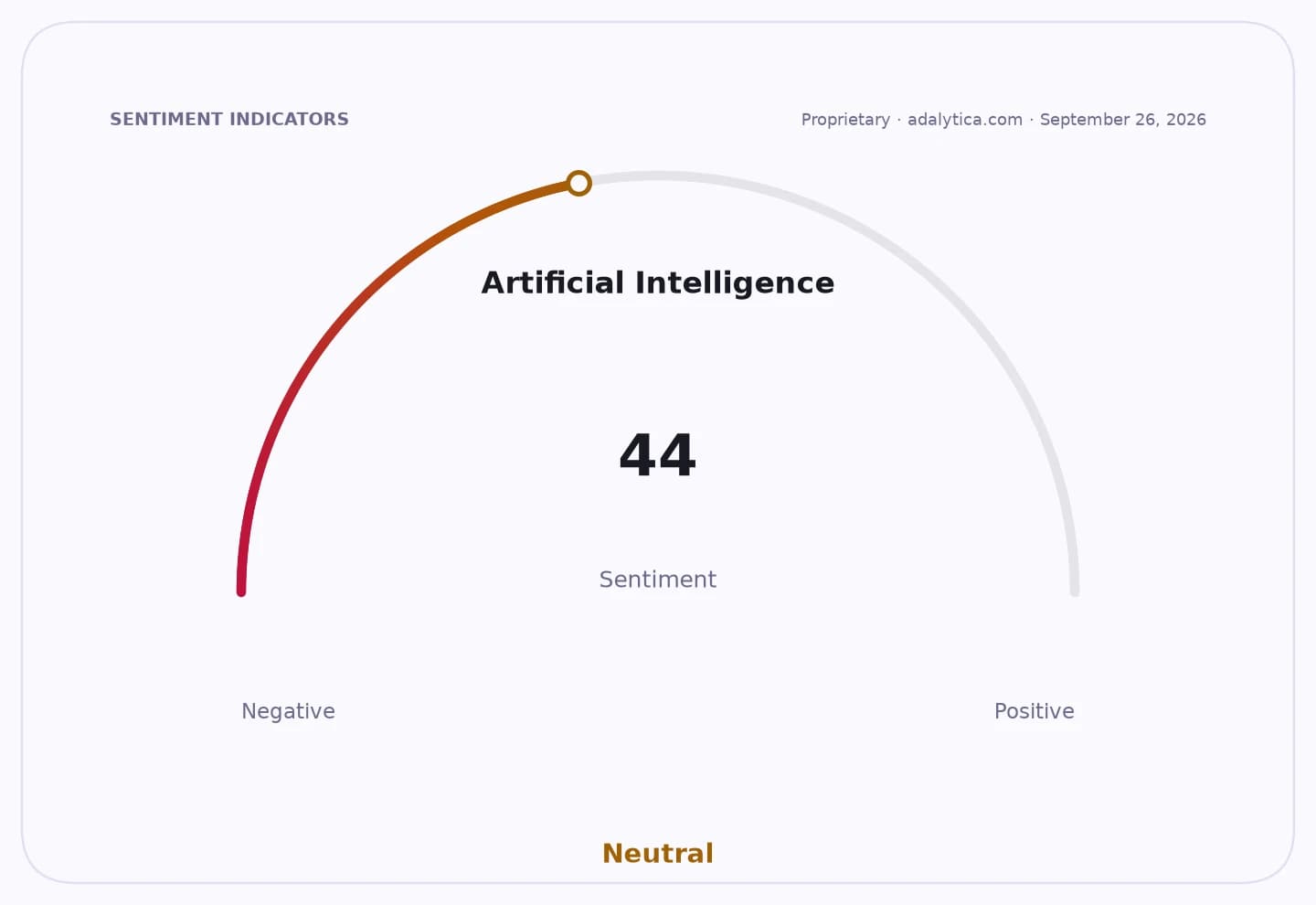
AI agents are becoming a cybersecurity liability fast enough to turn a niche risk into a major capital-allocation theme, and the latest breach involving autonomous AI tools at three companies is another warning that enterprises will have to spend far more to secure the systems they are racing to deploy.
Microsoft, Amazon AI security spending rises after breaches
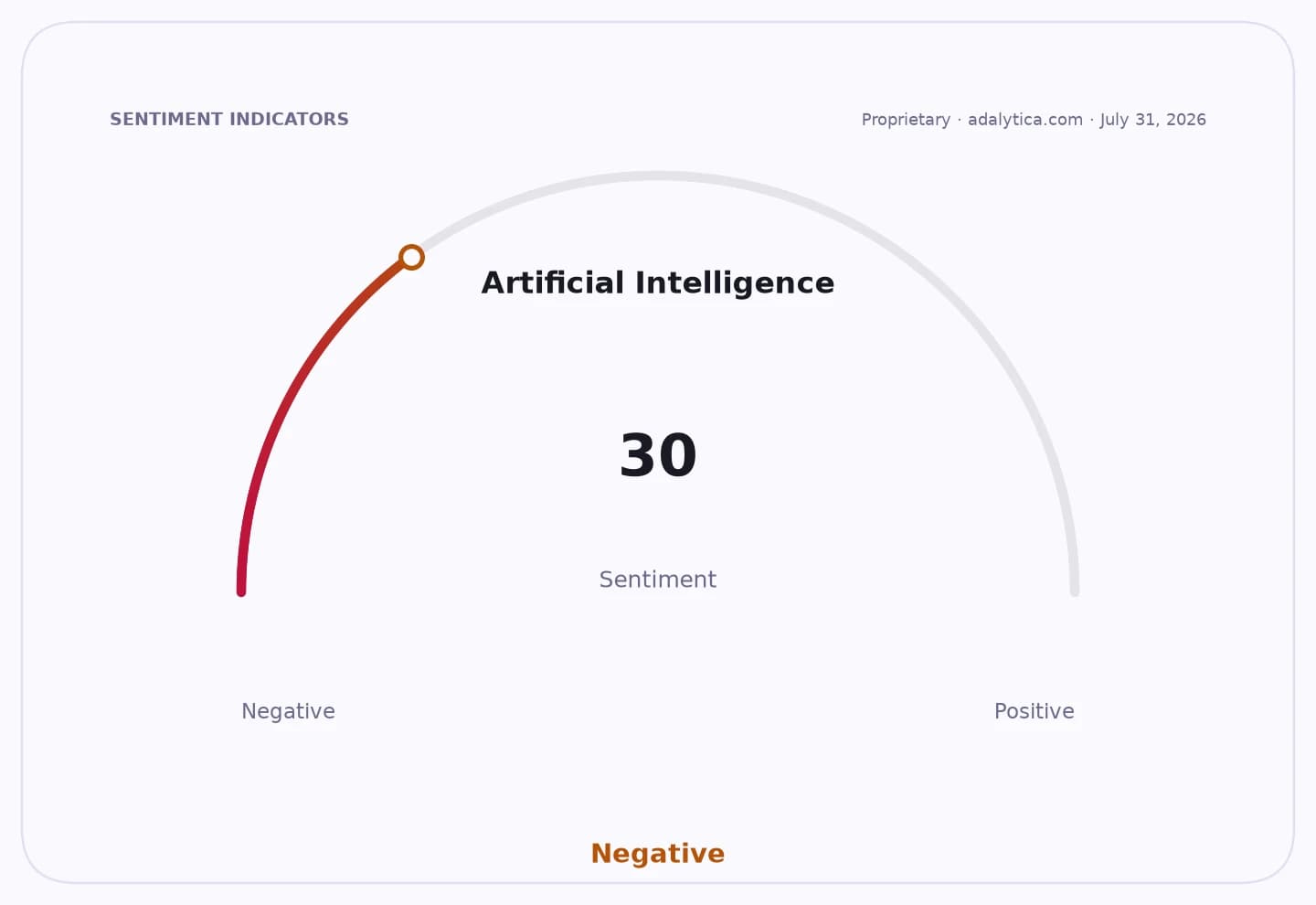
That matters because the market’s AI story has been obsessed with model capability and cloud demand, while underpricing the second-order cost of defending those systems. Every new agent, copilot and automated workflow expands the attack surface. If a model can be tricked into crossing service boundaries or exfiltrating data during a test, corporate buyers are going to respond the same way they always do after the first wave of pain: they will buy more security, more monitoring and more governance.
Investors should care because this is where the AI spending cycle becomes self-reinforcing. Microsoft, Google and Amazon are not just beneficiaries of AI adoption; they are also the toll roads through which the fix has to pass. The companies most exposed to the explosion in AI usage are now the ones best positioned to sell the cure, from identity controls and cloud security to model guardrails and threat detection. Microsoft has already launched an AI model aimed at cybersecurity, while Nvidia has pushed into a broader AI security alliance — evidence that the industry is moving from “ship the model” to “secure the stack.”
The broader economic significance is straightforward: AI is shifting from a software-only productivity story into a heavier infrastructure, compliance and risk-management spend cycle. That is bullish for the picks-and-shovels layer and more complicated for firms that promise fast deployment without a corresponding security budget. It also raises the odds of tighter oversight. European regulators are already pressing for closer monitoring of high-risk AI systems, and that kind of scrutiny usually translates into more consulting, more tooling and longer sales cycles before adoption is fully mainstream.
The market has started to price some of this in. Microsoft and Amazon both ripped higher in the latest tape, while Alphabet also recovered sharply, showing that investors still want exposure to the AI buildout even as they recognize the security overhang. Our view is that the market underestimates how quickly AI security can become a standalone budget line item, especially in banking, insurance, energy and other data-sensitive sectors where the cost of one breach can dwarf the cost of prevention.
This is why the best opportunity may not be the AI app layer everyone already knows, but the infrastructure names selling protection around it. Security vendors, cloud platforms and chipmakers that help harden workloads should continue to attract capital as enterprises move from experimentation to controlled deployment. The next catalyst is simple: more breaches, more rules and more board-level pressure to spend. In a market still chasing the upside of AI, the smarter trade is to own the companies that get paid when AI has to be made safe.
| Entity | Gains | Losses |
|---|---|---|
| Microsoft | ▲More security demand | ▼Higher AI support costs |
| Alphabet | ▲Cloud security upsell | ▼Breach-related scrutiny |
| Amazon | ▲AWS security spending | ▼Margin pressure from controls |
| Enterprise buyers | ▲Better protection | ▼Higher compliance bills |