Microsoft’s 2026 rebound has turned a rough stretch into a strong gain for investors, while ASML has lagged as the chip equipment trade has remained volatile and unforgiving. The split matters because it shows how fast money is rotating within technology: into software and AI-linked megacaps with clearer earnings visibility, and away from higher-beta semiconductor names tied to the cycle.
Microsoft Rises as ASML Lags in Tech Rotation

Microsoft is up sharply from a June low near $352, with the stock last trading at $516.17, implying a gain of about 30% from that trough. The move has been supported by improving technical momentum too: the shares are above both the 50-day and 200-day moving averages, and recent RSI readings near 60 suggest the rally has cooled from overbought levels without breaking trend.
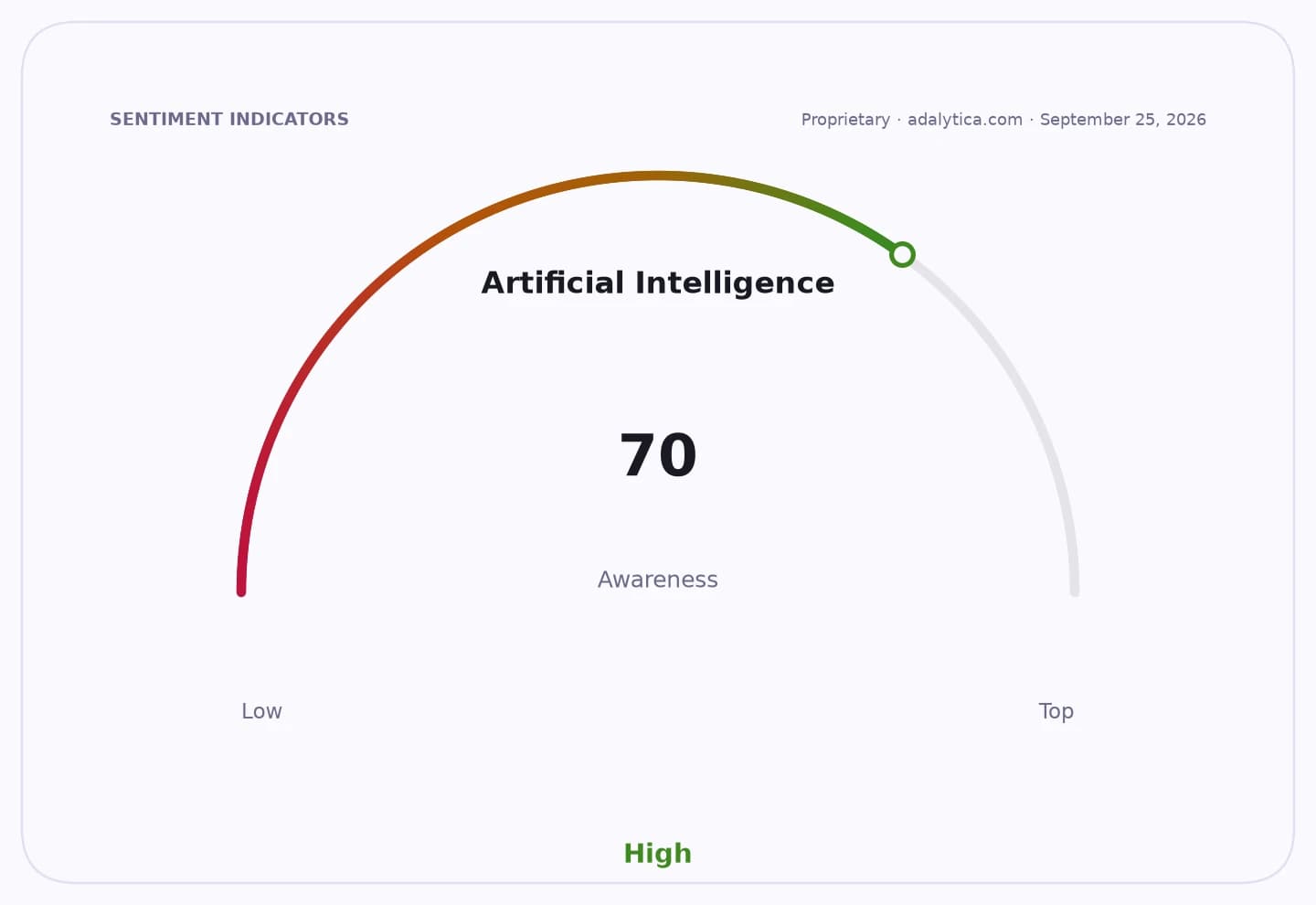
Sentiment IndicatorsⓘProprietary · adalytica.com · September 26, 2026
This is a snapshot — live sentiment, awareness and momentum for 130+ markets update continuously in the dashboard.Open AlphaPulse

That kind of move matters economically because Microsoft is one of the market’s most important AI and cloud spenders, and its strength reflects investors’ willingness to keep funding the infrastructure buildout even as broader equities wobble. For the market, Microsoft’s advance has been a stabilizer for the Nasdaq and the S&P 500, where large-cap tech continues to carry index performance.
ASML tells the other side of the trade. The Dutch lithography leader has fallen to about $1,743.94 from a mid-June high above $1,986.87, a drop of roughly 14%, as chip-equipment shares remain sensitive to any sign that semiconductor demand or capex plans could slow. The stock is still above its 200-day moving average, but its recent drift lower shows investors are paying up for certainty and punishing even high-quality names when the cycle turns.
The divergence is important for portfolio construction. Investors who bought Microsoft this year have been rewarded by the AI-heavy megacap bid, while ASML holders have had to absorb the volatility that comes with semicap exposure. The gap also underscores why large-cap tech remains a crowded but still dominant trade: it offers earnings leverage from AI without the same near-term manufacturing and capex risk seen in equipment stocks.
That leaves the near-term question squarely on the next earnings and guidance updates from big tech and chip suppliers. If Microsoft keeps translating AI demand into revenue and margins, it can extend the relative strength trade; if ASML’s order outlook improves, the underperformance in semis could narrow quickly. For now, the message from the tape is clear: investors are paying for visible AI winners and demanding a discount from cyclical hardware names.
| Entity | Gains | Losses |
|---|---|---|
| Microsoft shareholders | ▲~30% rebound | ▼Prior drawdown risk |
| ASML holders | ▲Long-term franchise value | ▼~14% recent decline |
| AI/megacap tech bulls | ▲Leadership in index gains | ▼High valuations if growth slows |
| Semiconductor cycle bears | ▲Lower capex sensitivity | ▼Missing a rebound if orders recover |