Microsoft’s largest-ever buyout offer has exposed the cost of its artificial intelligence offensive: record profits and soaring capital spending on one side, and a workforce that says the company has become “joyless and demoralizing” on the other.
Microsoft buyout offer and AI spending squeeze staff

The company is offering voluntary exits to about 60,000 employees, more than a quarter of its workforce, in a move that is less about immediate layoffs than about reshaping the organisation around AI. But the timing has sharpened internal anger. Current and former staff are circulating an open letter accusing Microsoft of prioritizing AI at the expense of workers, customers and climate commitments, while forcing employees to adopt tools they say create more work, not less.
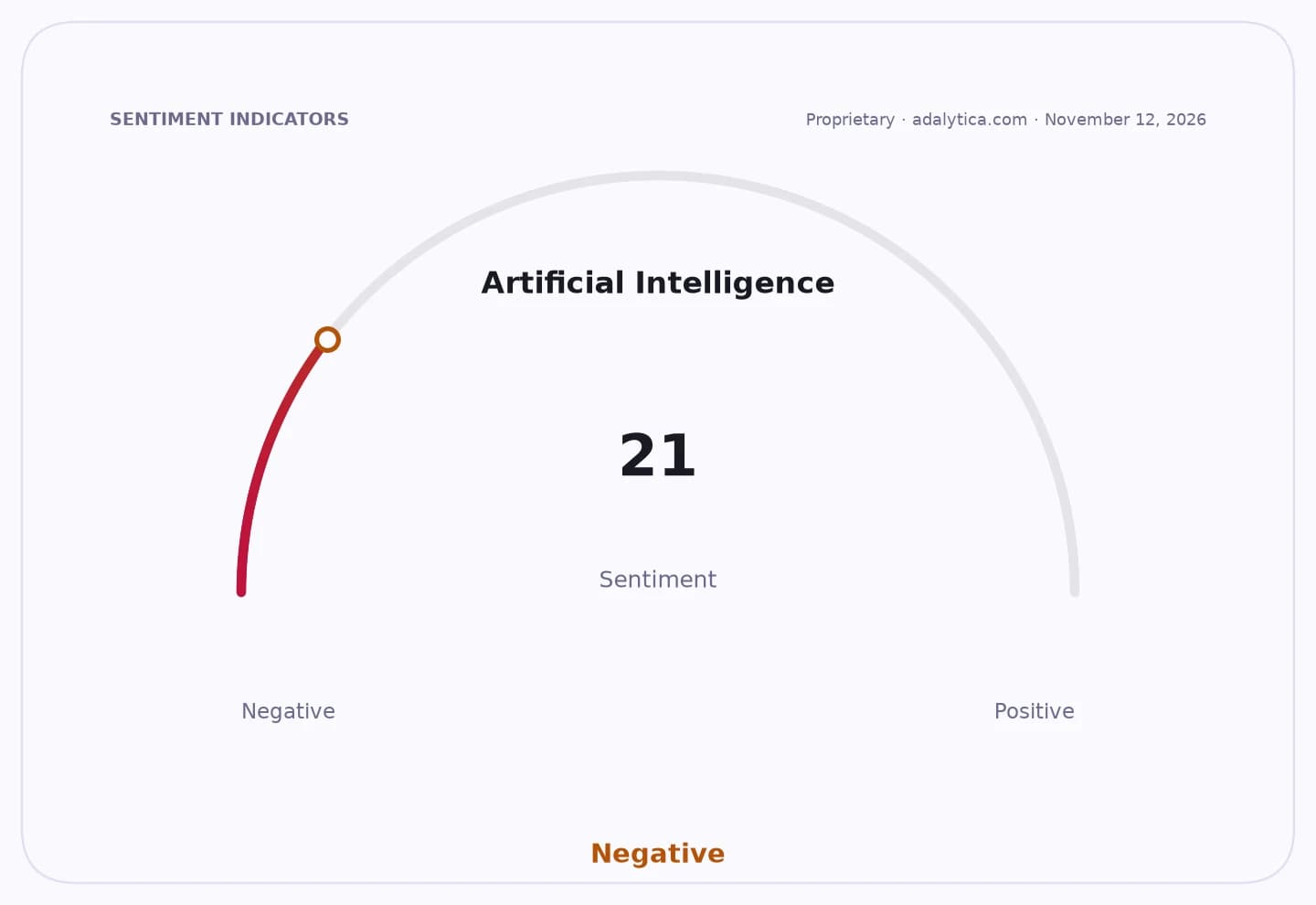
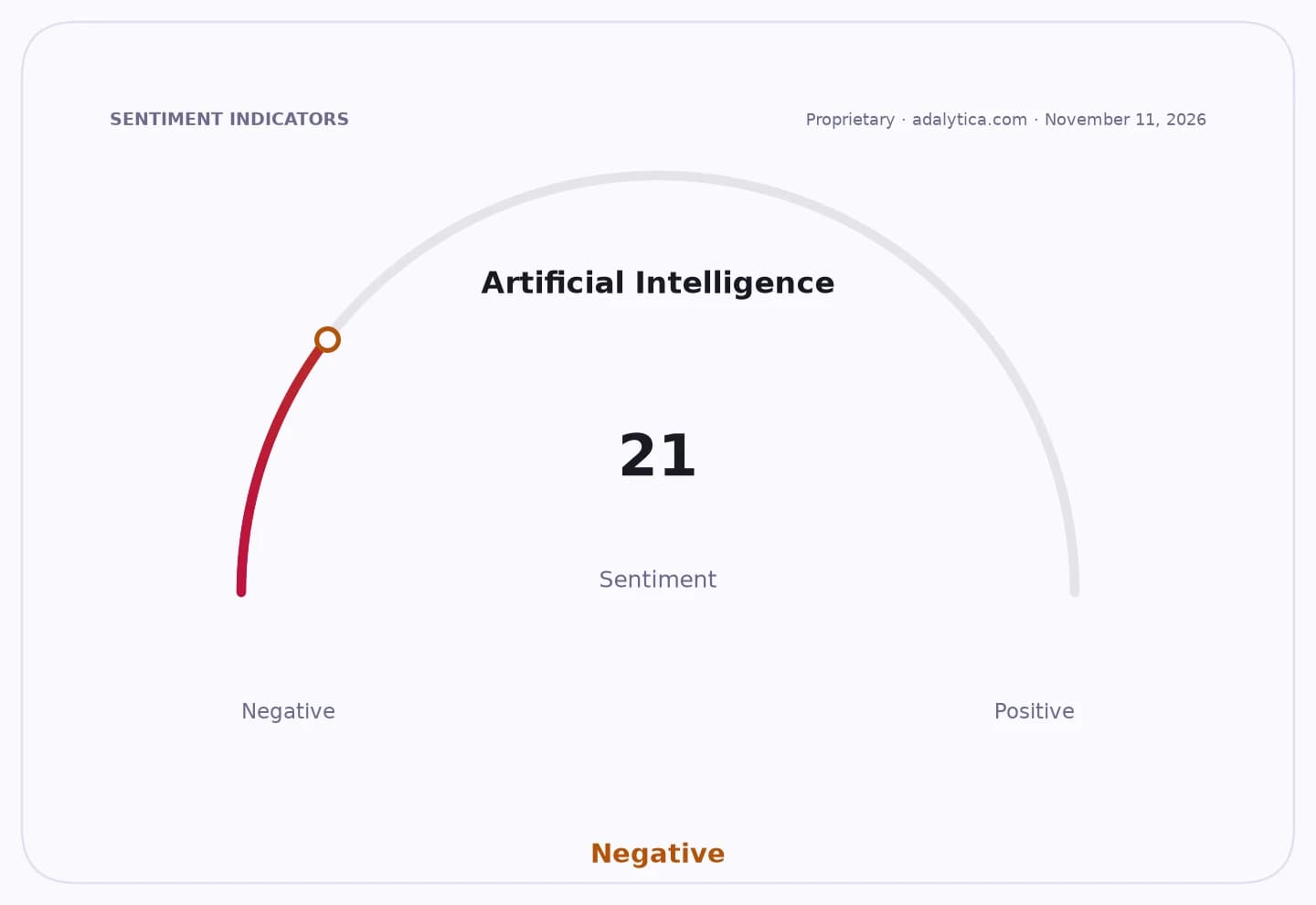
Sentiment Indicators
Microsoft Corp
That matters economically because Microsoft is in the middle of one of the most aggressive AI buildouts in corporate America. The company posted quarterly profit of $36.6 billion, up 32%, on revenue of $92.3 billion, even as capital spending jumped 30% to $45.2 billion, mostly for data centres. Microsoft expects to spend about $170 billion this calendar year. For investors, that is the central tension: AI is still driving the premium valuation story, but the higher the spend, the more pressure there is to prove that productivity gains will translate into margins, not just scale.
The buyout offer covers eligible employees at level 70 and below in participating teams in India, the US, the UK and Canada, with sales and some engineering teams excluded. Staff who accept get at least eight weeks of base pay, rising with level and tenure, and have until Dec. 9 to decide before leaving at year-end. Microsoft expects fewer than 5% of eligible employees to sign up, suggesting the programme is designed to create optionality rather than a broad exodus.
Even so, the symbolism is hard to miss. This is Microsoft’s second buyout this year after an April offer to about 8,600 long-serving US employees, around 30% of whom accepted. It follows about 4,800 job cuts in July, including a fifth of the Xbox workforce, after 10,000 layoffs in 2023 and more than 15,000 in 2025. Headcount stood at 223,000 in June, down 5,000 from a year earlier. The pattern points to a company pruning layers and accelerating internal churn even as it continues to hire and spend heavily on AI infrastructure.
The open letter makes the internal pushback broader than a pay dispute. Workers say they are being pushed to use AI in nearly every part of their jobs, often with little training, while cleaning up poor output and rolling back weak features. They also object to what they see as secretive data-centre projects, contracts tied to the US Immigration and Customs Enforcement and the Israeli military, and the company’s environmental trade-offs. The demands are framed around worker input, community protections and a commitment to remain carbon negative, water positive and zero waste by 2030.
For management, the risk is not that a single letter changes strategy, but that it becomes a recurring drag on retention and morale just as Microsoft asks employees to do more with less. Employees have said merit raises were unusually small, in some cases below 1%, even as leadership is spending more than $100 billion a year on AI. That disconnect matters because software businesses depend on retaining scarce technical talent and on avoiding the productivity losses that come from churn, disengagement and rework.
The stock market has so far rewarded the AI buildout more than it has punished the labour strain. Microsoft’s shares have stayed near the top of the S&P 500’s megacap complex, and the broader market still treats AI infrastructure as a dominant growth theme. But the latest buyout and staff revolt show the next phase of the AI trade is no longer just about chip orders and cloud demand. It is increasingly about whether the expense of building the future erodes the human capital needed to deliver it.
Investors should watch for whether Microsoft uses the voluntary exit programme to reset costs without more visible layoffs, and whether employee dissatisfaction spills into attrition in engineering and product teams that are central to AI monetisation. If the company can absorb the churn while sustaining growth, the market will likely keep focusing on earnings power. If not, the margin story around AI could become harder to defend.
| Entity | Gains | Losses |
|---|---|---|
| Microsoft management | ▲More control over costs | ▼Morale and retention risk |
| Departing employees | ▲Cash to exit | ▼Job security |
| Remaining staff | ▲Possible reorganisation relief | ▼Heavier workloads |
| Investors | ▲AI growth optionality | ▼Margin and execution risk |