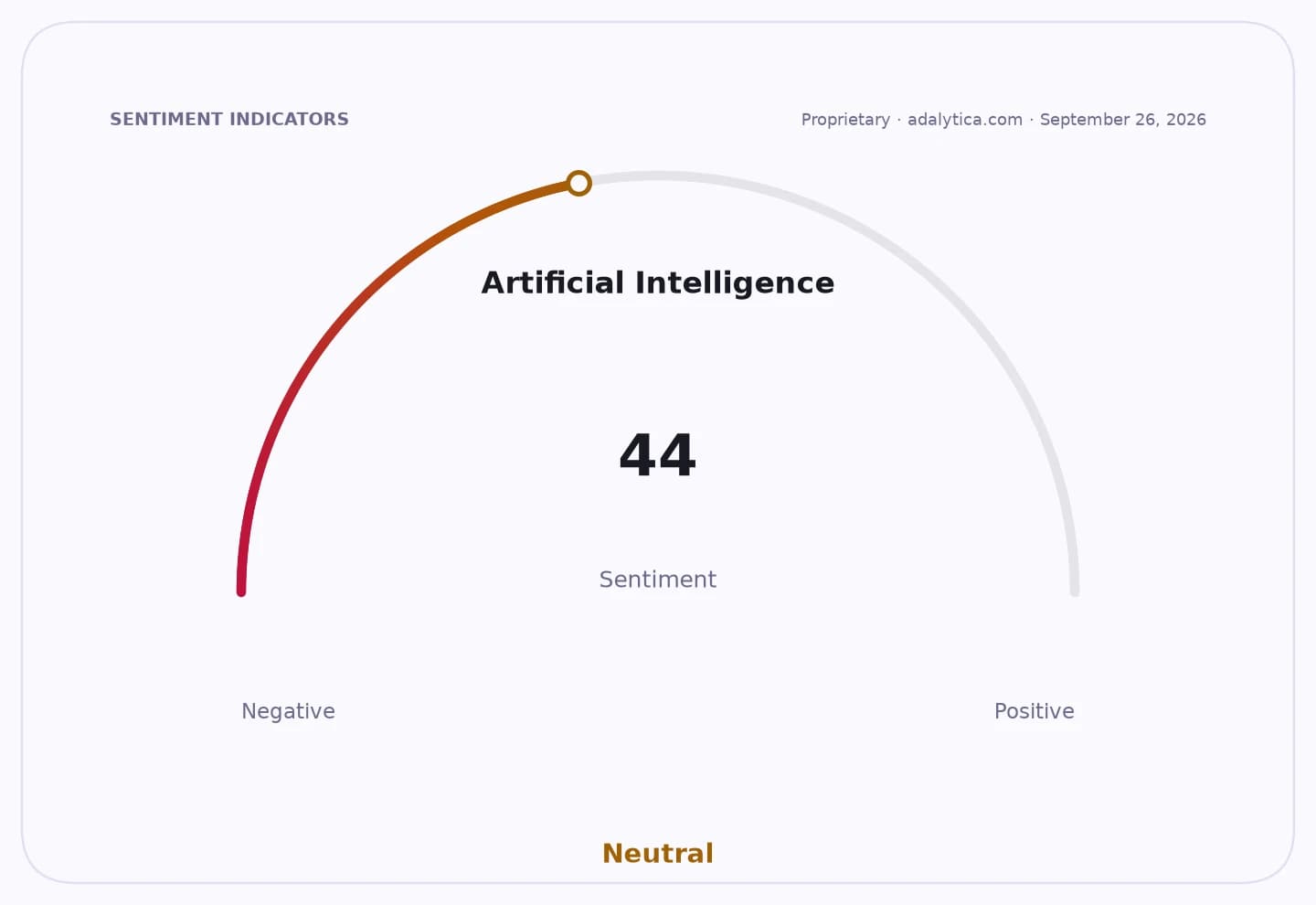
Formulating clear policy on AI use is becoming an urgent business issue for Microsoft, Nvidia and other leaders in the buildout as investors reassess whether rapid adoption can keep outrunning legal, privacy and compliance risks.
Microsoft, Nvidia AI policy risks weigh on shares
The debate matters because AI is no longer a side project; it is embedded in core products, cloud platforms and enterprise contracts, making governance a margin issue as much as an ethical one. As regulators sharpen scrutiny over how generative AI systems use customer data, companies face a growing possibility of higher compliance costs, slower product rollout and, in some cases, litigation or restrictions on deployment.
Microsoft’s own filings now flag the risk that AI systems could lead to legal liability, regulatory action, reputational harm and competitive damage, while warning that the EU’s AI Act and other rules may increase costs or limit how its models and services are offered. That is especially relevant for Microsoft because AI has become a major pillar of its growth story through Azure, Copilot and broader enterprise software integration.
The market has already started to price in some of that tension. Microsoft shares had a sharp summer rebound, with the stock jumping to $464.72 on July 31 after a steep spring selloff that took it as low as $352.83 in late June. Even after that recovery, the shares remain below the 200-day moving average, suggesting investors are still weighing whether AI-led growth can offset execution and policy risk.
Nvidia, the key hardware supplier to the AI economy, has also been volatile. The stock reached $235.47 in May before sliding back to $200.75 by July 31. That kind of swing reflects a market that still believes in long-term AI demand, but is less willing to pay up blindly as questions about regulation, data handling and end-user adoption intensify.
For smaller AI software names, the pressure is more acute. C3.ai has been hit far harder, falling to $9.18 from $19.66 in October and trading below both its 50-day and 200-day moving averages. The company has acknowledged in its own filings that AI-related issues can create reputational harm and liability, underscoring why policy clarity matters most for firms whose products depend directly on customer trust.
There is a bull case. Better-defined rules could reduce uncertainty, speed enterprise procurement and reassure customers that AI systems are being used safely. For the largest platforms, stricter governance could even become a competitive moat if smaller rivals struggle to absorb the added compliance burden.
The bear case is that policy keeps arriving unevenly, leaving companies to navigate a patchwork of privacy, safety and IP obligations across the US, Europe and other markets. That would raise costs, slow monetization and increase the chance of missteps that trigger user backlash or enforcement action.
For investors, the key question is not whether AI demand exists, but whether governance can evolve fast enough to protect returns. The next market move is likely to be driven less by model announcements than by how clearly companies can prove their AI systems are compliant, secure and commercially sustainable.
| Entity | Gains | Losses |
|---|---|---|
| Microsoft | ▲clearer enterprise adoption | ▼higher compliance costs |
| Nvidia | ▲sustained AI hardware demand | ▼policy-driven volatility |
| C3.ai | ▲stricter rules for incumbents | ▼reputation-sensitive growth model |
| Regulators/customers | ▲stronger privacy controls | ▼slower AI rollout |