A growing corporate fixation on constant responsiveness and digital multitasking is starting to look less like efficiency and more like a drag on output, employee health and ultimately margins.
Microsoft, Waste Management and multitasking costs
The economic issue is not whether workers can do several things at once, but whether the rising culture of screen-driven task switching is quietly lowering the return on labor. Experts cited in the source material warn that so-called toxic multitasking can impair concentration, memory and mood, while creating the illusion of productivity. That matters for companies because the hidden cost shows up in slower execution, more errors, faster burnout and a greater risk of turnover.
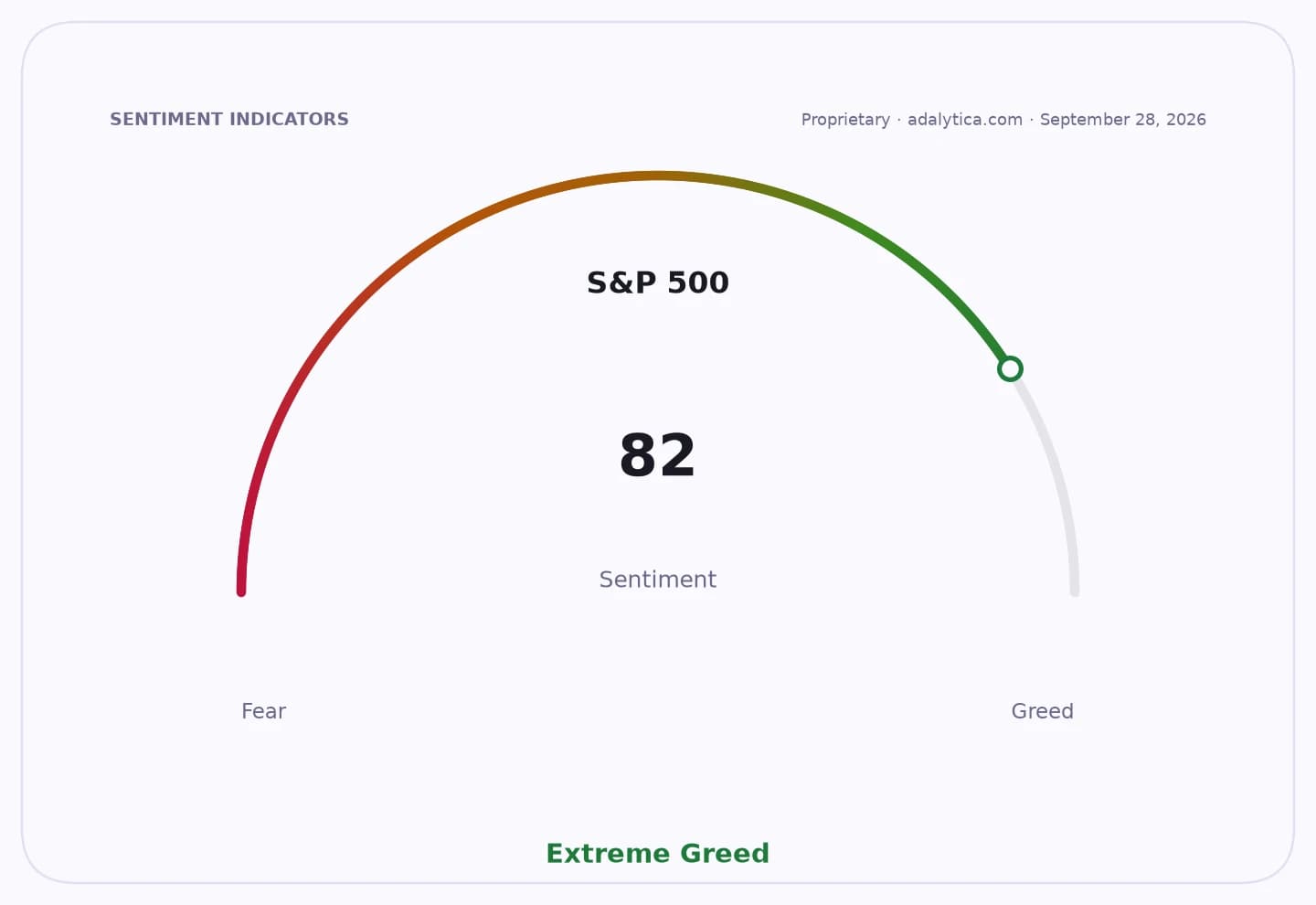
Sentiment IndicatorsⓘProprietary · adalytica.com · September 28, 2026
This is a snapshot — live sentiment, awareness and momentum for 130+ markets update continuously in the dashboard.Open AlphaPulse
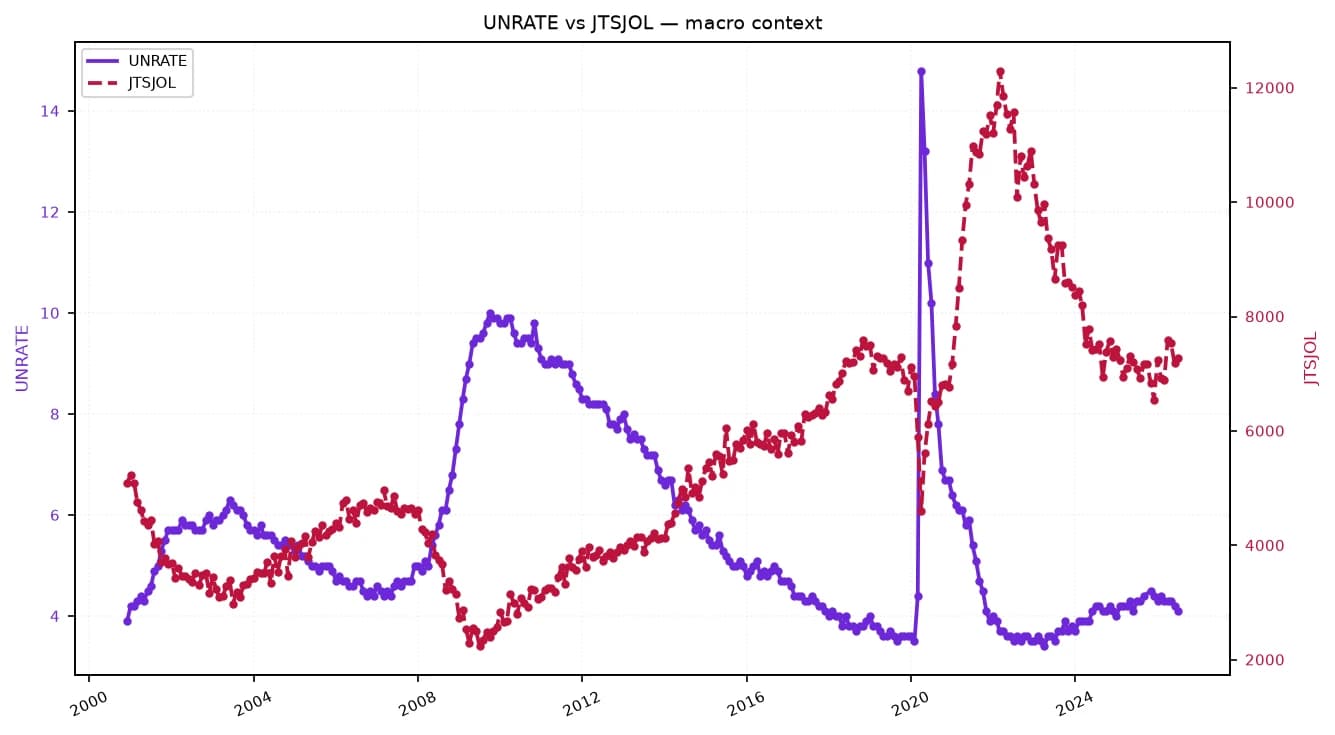
The broader macro backdrop reinforces why this is more than a workplace wellness theme. U.S. industrial production is still forecast to edge higher, with the latest projection showing 103.2504 for September after 103.0682 in August, suggesting firms continue to chase incremental gains in output. At the same time, the labor market remains relatively tight, with the unemployment rate projected at 4.02% for September, only slightly below August’s 4.1%. In that environment, firms are under pressure to extract more from existing staff rather than hire aggressively — a setup that can intensify the temptation to reward visible busyness over actual productivity.
That dynamic is relevant for investors because labor efficiency is increasingly a valuation issue across software, infrastructure and services. Microsoft, for example, had 219,000 employees as of its latest filing, including large operations and R&D teams that depend on deep focus to convert AI spending into revenue. Waste Management, meanwhile, has explicitly pointed to technology costs and operating efficiency in recent filings as it seeks to control expenses. For both, and for peers across the economy, the question is whether digital tools are amplifying productivity or just multiplying interruptions.
The market backdrop shows investors are already sensitive to the tension between speed and strain. Microsoft shares, after a sharp run-up earlier in the year, have pulled back from a recent high even as they remain well above the spring lows. The 50-day moving average is still above the 200-day average, which suggests the longer-term trend remains constructive, but momentum has cooled. Waste Management has also given back part of an earlier advance, with its price slipping below the 50-day average in recent sessions. Those moves do not prove a productivity problem, but they reflect a market that is no longer willing to pay indefinitely for growth without proof that efficiency is holding.
The message from the research side is clear: the “good” kind of multitasking is limited to combinations that do not force constant cognitive switching, such as listening to a podcast while walking. The harmful version is the one built around phones, laptops, chat windows and email all competing for attention at once. That is where the brain pays a real energy cost, and where companies pay a real economic cost through lower-quality work.
For investors, the important implication is that the next productivity debate may be less about software adoption and more about attention management. Firms that reduce digital noise, simplify workflows and protect deep work may be better positioned to turn AI and automation into durable margin gains. Companies that mistake activity for output may find that burnout rises faster than productivity.
The bull case is that AI tools, clearer workflows and better management practices can lift output while reducing repetitive task switching. The bear case is that more software, more messaging and more monitoring simply accelerate the same cycle of distraction the source material describes. That is the tension investors should watch as businesses try to convert technological progress into real economic growth.
| Entity | Gains | Losses |
|---|---|---|
| Employers that streamline workflows | ▲Higher output per worker | ▼Less visibility into “busy” activity |
| Workers with protected focus time | ▲Better concentration | ▼Constant digital interruption |
| Microsoft and AI-heavy peers | ▲Stronger productivity gains | ▼Margin pressure if complexity rises |
| Attention-fragmented firms | ▲Short-term responsiveness | ▼Burnout, errors and turnover |