A growing share of employees say they are under strain even as the U.S. labor market remains fundamentally resilient, underscoring a profit-minded shift in corporate staffing that is boosting output per worker but raising the risk of burnout, turnover and weaker service quality.
U.S. labor market strain rises as payrolls stay firm
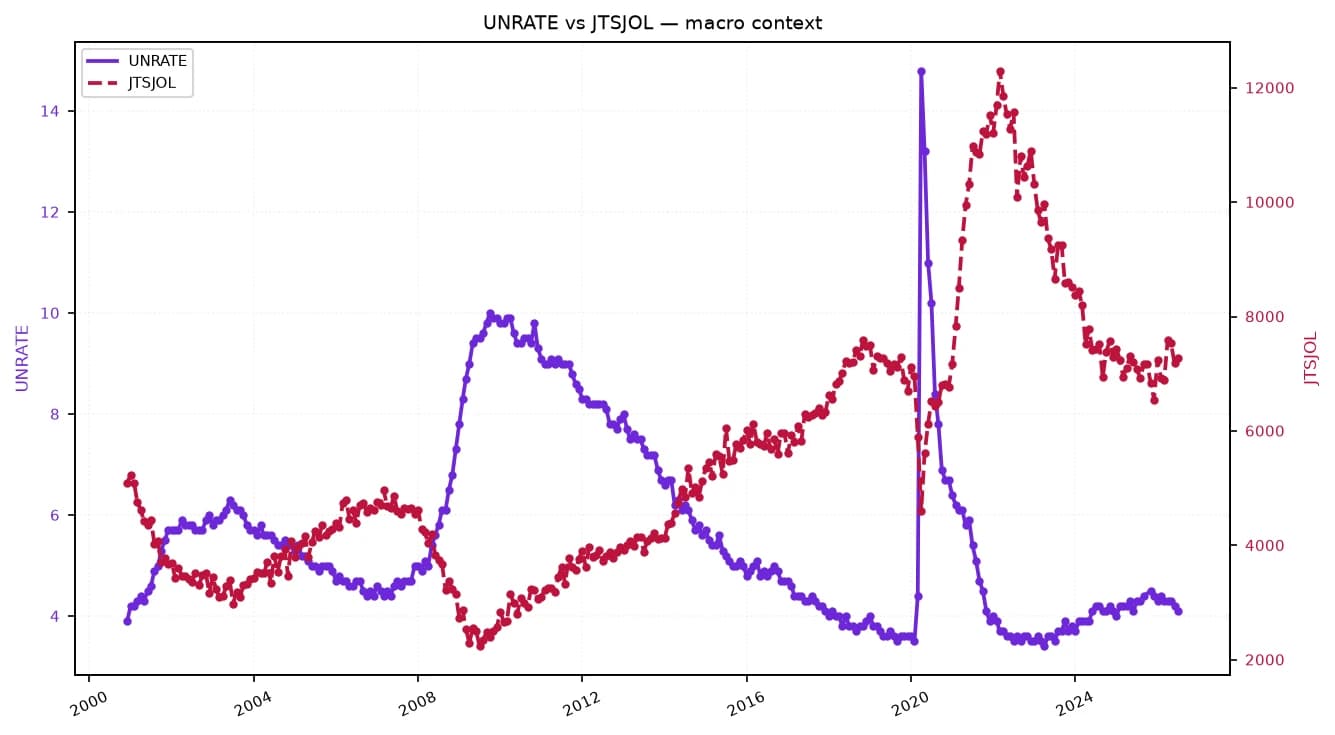
That tension matters because the economy is no longer short of jobs in the way it was during the pandemic recovery, yet companies are still asking existing staff to do more with less. Nonfarm payrolls are still projected to edge higher to 159,089,600 in September from 159,075,000 in August, while the unemployment rate is expected to hold around 4.0% after a recent run near 4.1%. On the surface, that points to stability. Beneath it, however, job openings remain elevated at 7,271,000 in July, a level that suggests employers are still competing for labor even as they resist broad-based hiring.

For workers, the combination is a familiar one: fewer headcount additions, more pressure on schedules and a heavier workload burden. For companies, it is a classic margin defense strategy. Keeping payroll growth subdued helps protect operating income, especially in sectors where wage inflation and interest costs have forced management teams to squeeze efficiency elsewhere. But the same strategy can become self-defeating if fatigued employees quit, service levels slip or productivity gains fade.
The strain is showing up across corporate America in different ways. Software and services firms have leaned on automation and restructuring to keep expense growth below revenue growth. Workday’s shares have been volatile around a sharp rerating this year, and ADP, which sits closer to the labor market’s plumbing, has highlighted that its business is tied directly to employment levels across clients. In ADP’s latest filing, worksite employees rose 2% year on year and new business bookings increased 6%, a sign that hiring remains intact even if employers are more cautious. That helps explain why payroll providers can still grow, but it also hints at a labor market where companies are prioritizing productivity tools, scheduling software and automation to extract more from each employee.
Investors should care because overwork is not just a workplace issue; it is a leading indicator for costs and retention. When employees feel stretched, hiring and training expenses tend to rise later, not sooner. That can hit margins at the same time as customer churn or slower implementation cycles start to surface. Human capital-heavy businesses such as insurers, payroll processors, software vendors and professional services firms are especially exposed. Health insurers such as Humana also show how labor discipline can coexist with operational churn: the sector has had to manage medical cost pressure, staffing intensity and tighter reimbursement conditions while investors remain focused on execution.
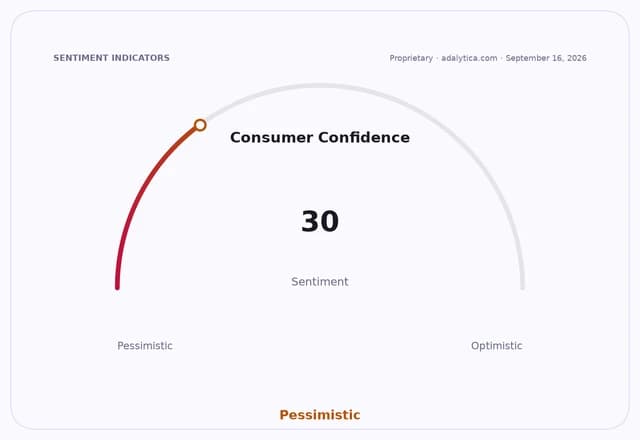
The market backdrop is therefore one of partial calm masking underlying fatigue. Adalytica’s Job Market Sentiment gauge was neutral at 44, but awareness of the topic was flagged as extreme fear, suggesting the issue is moving up the agenda even if the macro data have not yet broken. Consumer-confidence recession fear also remains elevated, implying households are still sensitive to any signs of weakening labor conditions or income stress.
The bull case is that higher workload intensity reflects healthy demand and a disciplined corporate sector getting more efficient without a spike in unemployment. The bear case is that firms are delaying necessary hiring, creating a brittle labor force that could crack if growth slows or if staff attrition rises. Either way, the pressure is not disappearing. The next test will be whether companies continue to preserve margins by stretching their workforce further — or eventually pay up for relief through higher wages, more hiring and more automation investment.
| Entity | Gains | Losses |
|---|---|---|
| Employers | ▲Lower payroll growth | ▼Higher burnout risk |
| Employees | ▲Possible productivity tools | ▼Heavier workloads |
| Payroll/software vendors | ▲Demand for labor automation | ▼Pressure if hiring slows |
| Investors | ▲Near-term margin support | ▼Future turnover and cost risk |