Middle East tourism spending is set to climb 57% by 2030, reinforcing the region’s push to turn travel into a larger, more durable engine of growth and a bigger source of revenue for airlines, hotel operators and online booking platforms.
Middle East tourism spending seen rising 57% by 2030

The forecast matters because tourism spending filters directly into GDP, employment, airport traffic and hotel pricing power. For Gulf economies trying to diversify away from hydrocarbons, a bigger travel market means more foreign-currency inflows, more service-sector jobs and more investment in hotels, resorts and transport infrastructure.
Sentiment IndicatorsⓘProprietary · adalytica.com · September 18, 2026
This is a snapshot — live sentiment, awareness and momentum for 130+ markets update continuously in the dashboard.Open AlphaPulse
The upside is already visible in the performance of travel-linked companies. Booking Holdings and Marriott are among the global beneficiaries of sustained international travel demand, while Hilton has continued to add hotels and report solid occupancy and average daily rates across its system. Their shares, however, have not moved in a straight line, underscoring how much investors are still balancing demand growth against valuation and broader market volatility.
The region’s growth story also comes with geopolitical risk. Several US airlines have flagged Middle East conflict as a factor affecting operations and travel patterns, showing that even as tourism expands, route planning, cancellations and pricing can remain vulnerable to security disruptions.
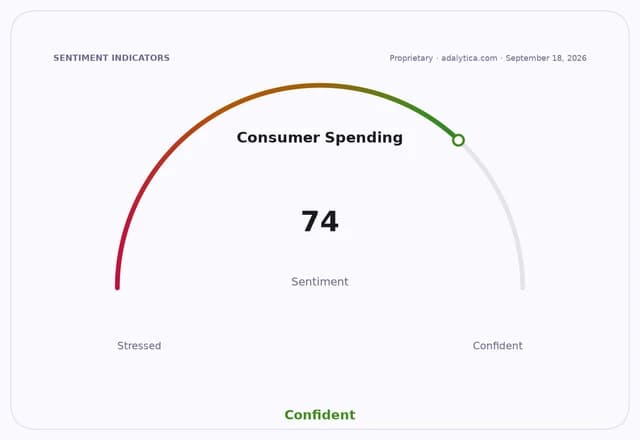
At the macro level, the backdrop is mixed but still constructive. US unemployment is forecast to ease to 4.02% in September from 4.1% in August, suggesting a labor market that remains supportive of consumer travel spending, while the 10-year Treasury yield is forecast around 5.026%, keeping financing costs elevated for hotel development and travel companies.
For investors, the key question is whether the region can convert forecast spending growth into sustained profit growth for listed travel names. If tourism flows continue to strengthen, airlines, hotel chains and booking platforms should see better volumes and pricing; if conflict risk or higher funding costs intensify, those gains could be delayed or diluted.
| Entity | Gains | Losses |
|---|---|---|
| Middle East tourism sector | ▲Higher spending, faster GDP growth | ▼Exposure to conflict risk |
| Airlines and booking platforms | ▲More travelers and bookings | ▼Route disruption and volatility |
| Hotel operators | ▲Stronger occupancy and room rates | ▼Higher development financing costs |
| Hydrocarbon-dependent economies | ▲More diversification and jobs | ▼Less reliance on oil-driven growth |