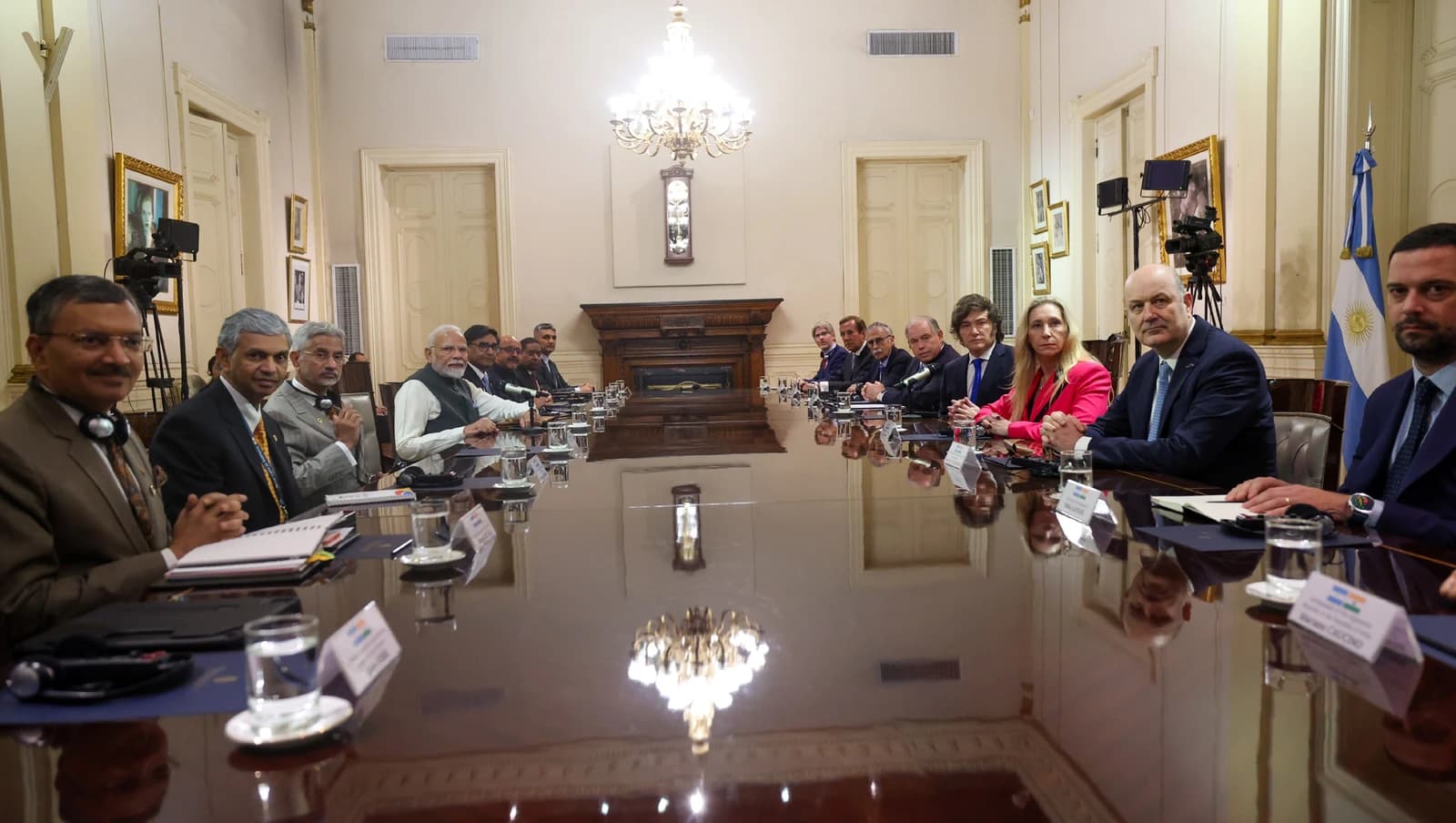
Javier Milei is turning the Malvinas dispute into a political and economic argument, and that matters because it shows how the Argentine president is trying to keep voters focused on his reform agenda rather than on the country’s weak spots. By linking the sovereignty claim directly to his economic plan, Milei is not just revisiting a national cause; he is using it to reinforce the idea that austerity and deregulation are the price of restoring Argentina’s strength.
Milei Ties Malvinas Claim to Argentina Reforms
That is economically important because Argentina’s policy mix still depends on confidence, patience and a believable path to growth. Milei’s message, delivered first in a national address and then to financial executives, was that his program “allows us to advance in the claim of our sovereignty over Malvinas.” In other words, the administration is trying to wrap a nationalist cause around an economic overhaul so that fiscal adjustment, lower inflation and reform are seen not as painful sacrifices but as steps toward a more assertive state.
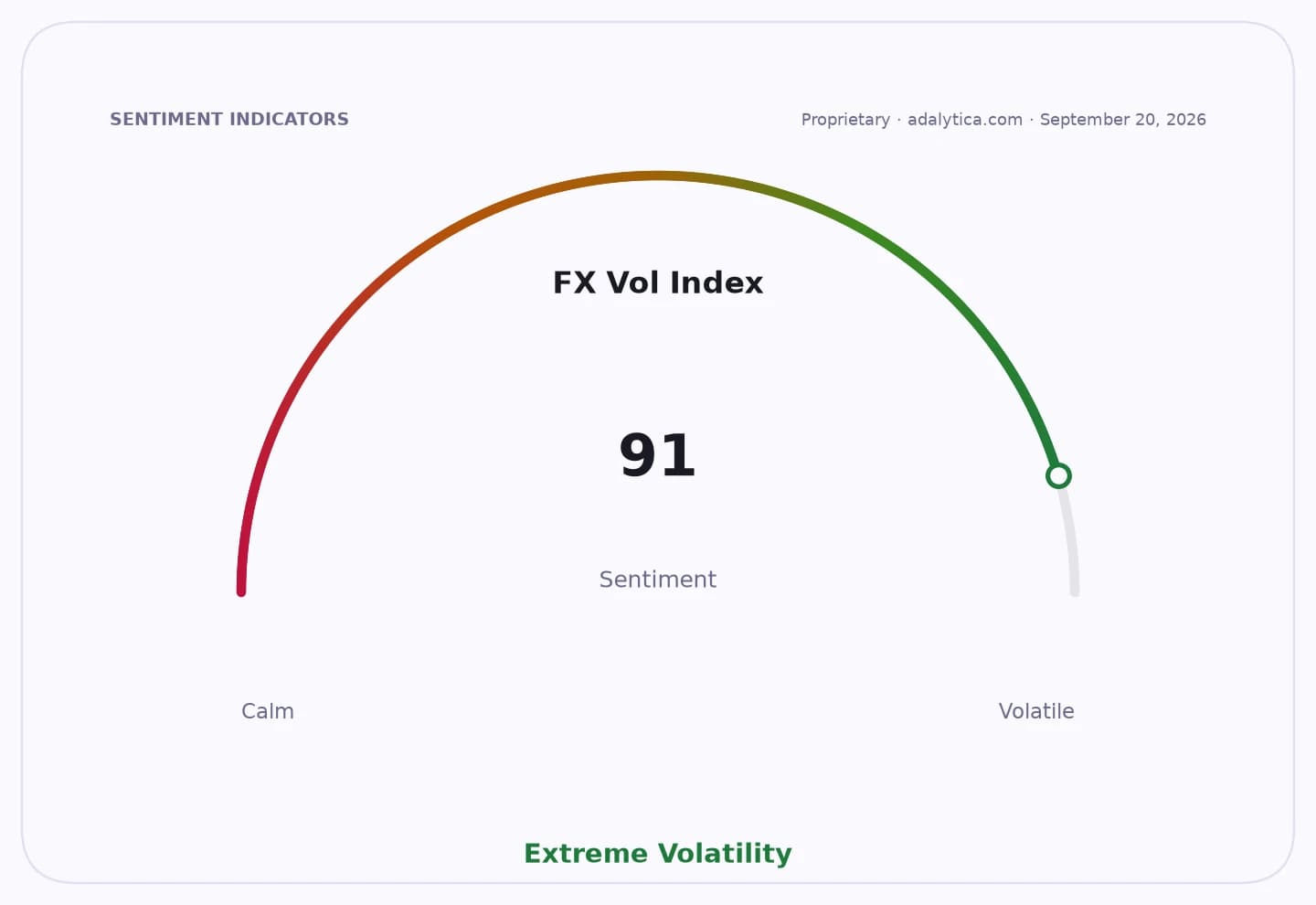
Sentiment IndicatorsⓘProprietary · adalytica.com · September 5, 2026
This is a snapshot — live sentiment, awareness and momentum for 130+ markets update continuously in the dashboard.Open AlphaPulse

For investors, the bigger question is whether this rhetoric helps stabilize the political coalition behind the reforms. Milei mentioned “sovereignty” 13 times in his national speech, a sign that the government wants to make the debate about national purpose, not just budgets and wages. That can be useful in the short term if it keeps support for the plan intact, especially as the administration heads toward elections and wants to drown out criticism over the economy. But it also raises the risk that foreign policy becomes part of domestic campaign management, which can create noise for markets watching policy consistency.
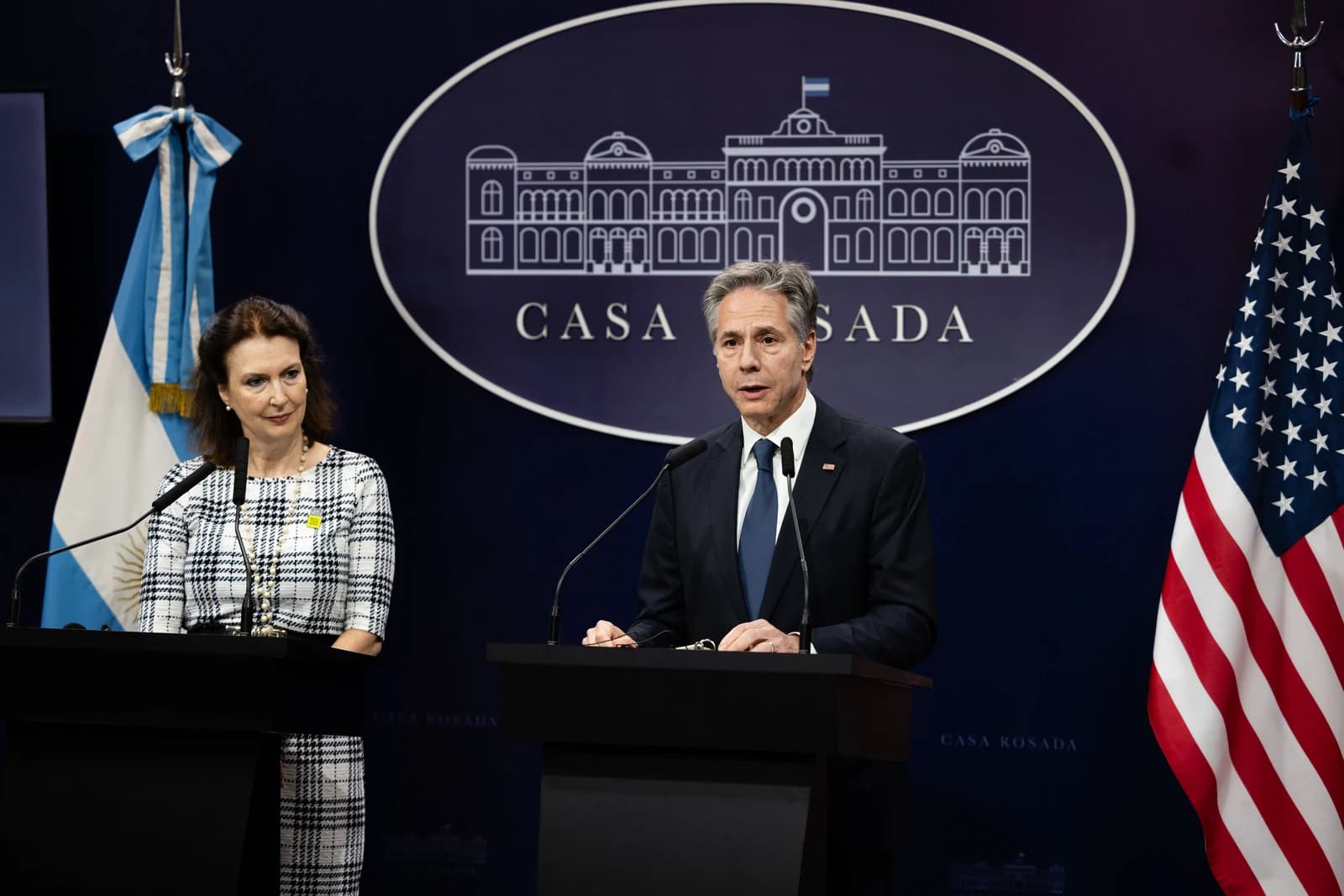
The timing is telling. The government has already been trying to shift the public conversation away from economic strain and toward confrontation with opponents, and Malvinas gives it a much more emotionally powerful symbol than a standard campaign slogan. Milei’s comments also appear aimed inside his own camp, where Vice President Victoria Villarruel has long emphasized the island issue and where tensions over messaging are not hard to miss. Even Pablo Quirno, the foreign minister, recently called sovereignty an “outdated” concept before walking that back in practice — a reminder that the administration has not always spoken with one voice on matters that Argentina treats as sacred.
There is also a geopolitical angle, but investors should not overread it. Milei pointed to Donald Trump’s suggestion that Washington could revisit its position on the islands as evidence that “winds of change” may now favor Argentina’s claim. That may flatter the government’s narrative, but the real backdrop is a wider clash between Washington and Europe, especially Britain. The Trump remarks were aimed at London, not Buenos Aires, and the market significance lies less in immediate diplomacy than in the possibility that Milei is willing to use shifting great-power rhetoric to bolster his domestic standing.
For long-term investors, the key takeaway is that this is still first and foremost a political story about sustaining an economic program. Argentina’s reform trade is intact only if the government can keep voters and lawmakers aligned behind it. The Malvinas turn may help Milei do that, but it also shows how dependent the administration remains on messaging, identity and confrontation to defend its policy path. That is worth watching, because in Argentina, political narrative often matters almost as much as policy substance.
| Entity | Gains | Losses |
|---|---|---|
| Milei government | ▲Stronger nationalist narrative | ▼Less policy bandwidth |
| Reform supporters | ▲Clearer case for austerity | ▼More domestic polarization |
| Opposition parties | ▲Harder to attack sovereignty stance | ▼Less room to focus on economy |
| Investors in Argentina | ▲Potentially firmer reform backing | ▼Higher political noise |