Armenia’s mine maps have been dismissed by Azerbaijan’s demining agency chief as “prepared unprofessionally,” reinforcing doubts that the documents handed over in a long-running peace process will materially speed up clearance or reduce battlefield and reconstruction risk.
Mine Map Doubts Delay South Caucasus Reconstruction
That matters because the maps are not just a diplomatic talking point: they shape how quickly contaminated land can be reopened, how much money must be spent on clearance, and how safely civilians, builders and investors can operate in territory affected by decades of conflict. If the maps are incomplete or unreliable, the economic drag from landmines persists, delaying transport links, housing projects, agriculture and energy infrastructure that depend on predictable access to land.
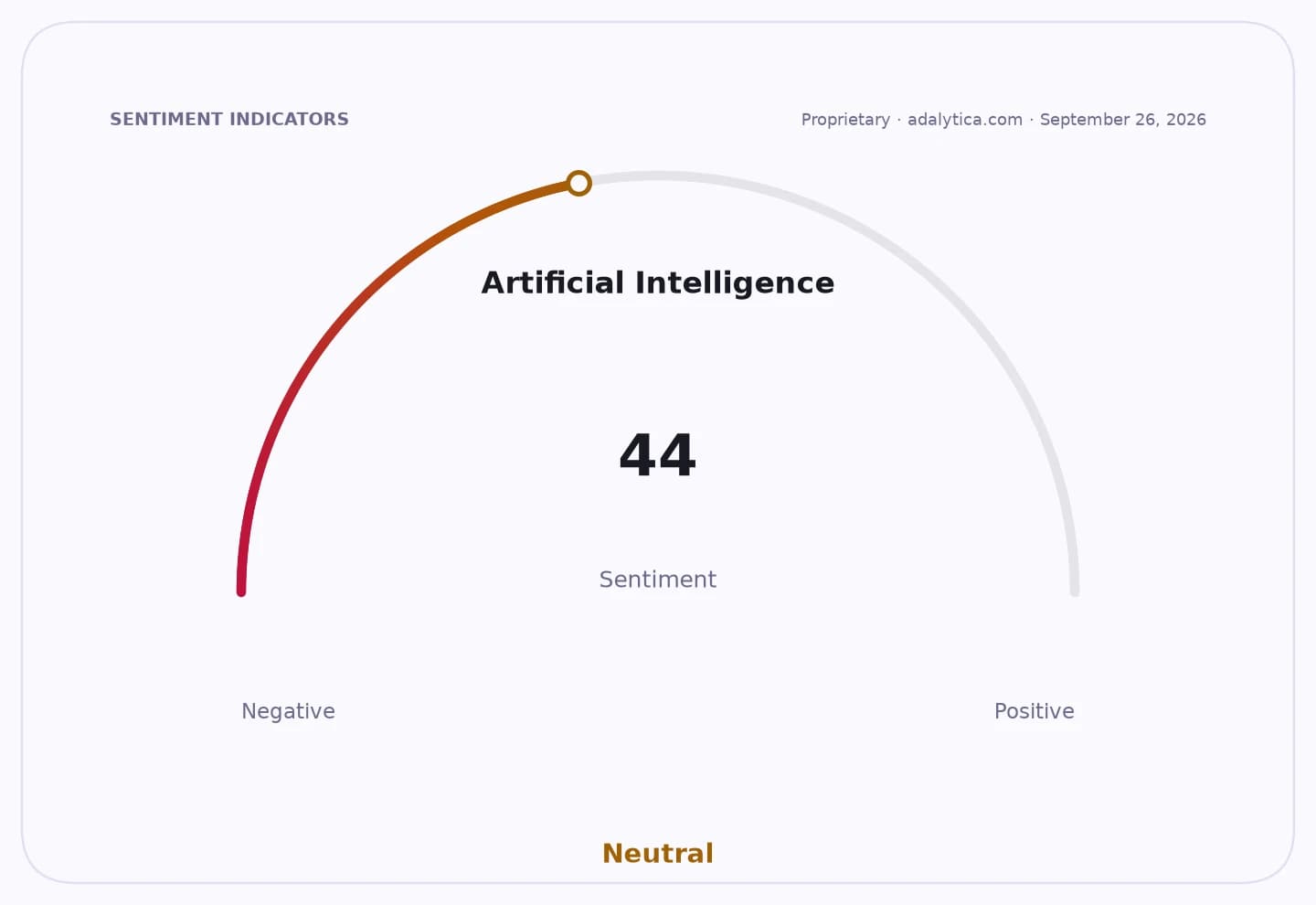
Sentiment IndicatorsⓘProprietary · adalytica.com · July 18, 2026
This is a snapshot — live sentiment, awareness and momentum for 130+ markets update continuously in the dashboard.Open AlphaPulse
The remarks by the chairman of Azerbaijan’s ANAMA mine action agency suggest Baku sees little operational value in the material received from Yerevan. In practice, a poor-quality map can be almost as useless as no map at all if it forces deminers to rely on slow, manual surveying and costly excavation. That raises the expense of every hectare cleared and keeps insurance, contracting and financing costs elevated for projects in affected districts.
The issue also underscores a wider post-conflict economic problem: demining is a prerequisite for capital formation. Roads, pipelines, mines, farms and industrial parks cannot be developed efficiently while contaminated land remains off-limits. For Azerbaijan, faster clearance would support reconstruction spending and unlock returns on state-led investment. For Armenia, a credible exchange of minefield data could have been a confidence-building step in normalization and a signal to foreign partners that the security environment is improving.
The market relevance is indirect but real. Investors in frontier infrastructure, construction, logistics and resource projects in the South Caucasus price not only political risk but execution risk, and unreliable mine information makes execution less certain. Humanitarian demining also absorbs public funds that might otherwise go to growth-supportive spending. The longer the dispute over map quality continues, the more it suggests demining will remain a slow, expensive bottleneck rather than a quick post-war dividend.
For investors, the key watchpoint is whether the issue becomes part of a broader, verifiable settlement process or remains a symbolic dispute. If future map exchanges, field surveys or third-party verification improve confidence, clearance timelines and project bankability could improve. If not, the region’s reconstruction story will remain constrained by one of the most basic forms of operational uncertainty: not knowing where the ground is safe.
| Entity | Gains | Losses |
|---|---|---|
| ANAMA / Azerbaijan deminers | ▲Stronger case for caution | ▼Limited trust in maps |
| Armenia / Yerevan | ▲Diplomatic leverage if revised | ▼Credibility on compliance |
| Reconstruction investors | ▲Better outcome if verification improves | ▼Higher execution and safety risk |
| Local communities / contractors | ▲Faster access if clearance advances | ▼Delayed land reopening |