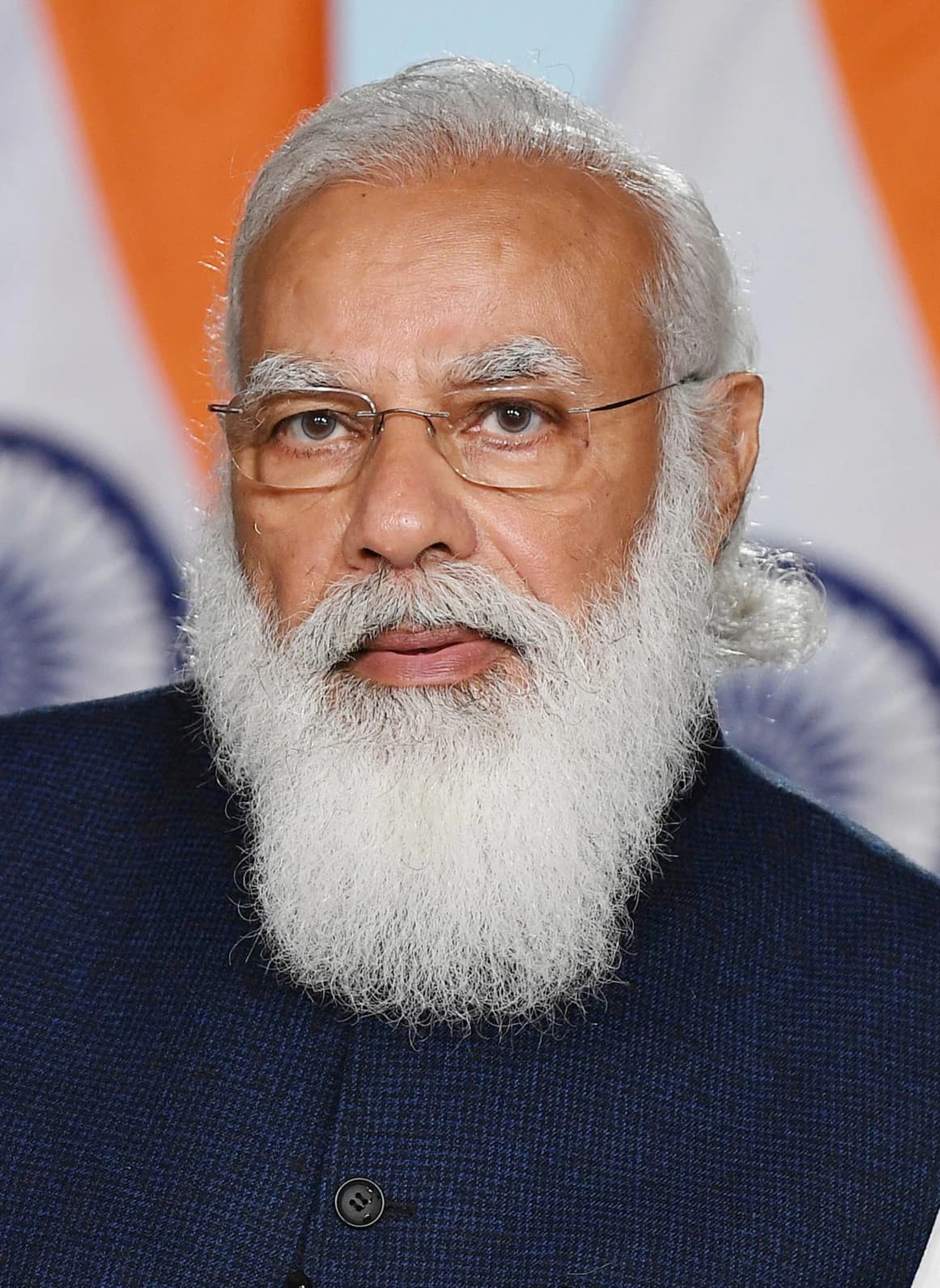
Prime Minister Narendra Modi will visit Bihar, West Bengal and Uttar Pradesh on Nov. 21, with the biggest economic impact coming from a package of development projects worth more than Rs. 34,000 crore in Bihar’s Vaishali district.
Modi to visit Bihar with Rs. 34,000 crore projects
The announcement matters because it points to continued federal spending on transport, logistics and public works at a time when India is leaning on infrastructure to sustain growth, support jobs and crowd in private investment. Large project awards and foundation stone-laying ceremonies typically feed directly into construction activity, demand for materials and equipment, and longer-run connectivity gains that can improve productivity across eastern India.
Sentiment Indicators
Economic Growth Targets
In Bihar, the scale of the package makes this more than a ceremonial stop. A project bundle of that size can translate into contracts for engineering firms, road builders, rail-linked suppliers and state-level contractors, while also reinforcing the government’s effort to accelerate development in regions that have lagged the larger urban growth centers. For investors, that keeps focus on Indian infrastructure names tied to order inflow, execution and working-capital discipline, even though the immediate market impact is usually indirect rather than immediate.
The visit also underscores the political economy of capital spending. New Delhi has used infrastructure as both a growth tool and a signal of policy delivery, especially in states where industrial expansion and employment creation remain central voter issues. The other stops — IIT Kharagpur’s anniversary in West Bengal and a skill-development event in Lucknow — reinforce the broader narrative of education, talent building and regional development rather than a single-sector announcement.
For markets, the key question is not the headline size alone but how quickly these projects move from announcement to execution. Investors will watch whether contracts are awarded on schedule, whether state agencies can clear land and approvals, and whether the spending translates into sustained revenue visibility for infrastructure and industrial companies. If execution holds, the projects could support order books and local demand; if delays emerge, the economic benefit will be pushed out.
| Entity | Gains | Losses |
|---|---|---|
| Bihar state economy | ▲Higher capital spending | ▼Little in the short term |
| Infrastructure contractors | ▲New order opportunities | ▼Execution and margin risk |
| Material suppliers | ▲Demand from project buildout | ▼Volatility if delays hit |
| Taxpayers/finances | ▲Potential long-term productivity gains | ▼Upfront fiscal outlay |