Telangana Chief Minister Revanth Reddy is warning that the Modi government’s proposed delimitation plan could sharply dilute South India’s political clout, turning a constitutional redraw into a power shift that investors, parties and state governments cannot ignore.
Telangana CM Warns on Delimitation Seat Changes
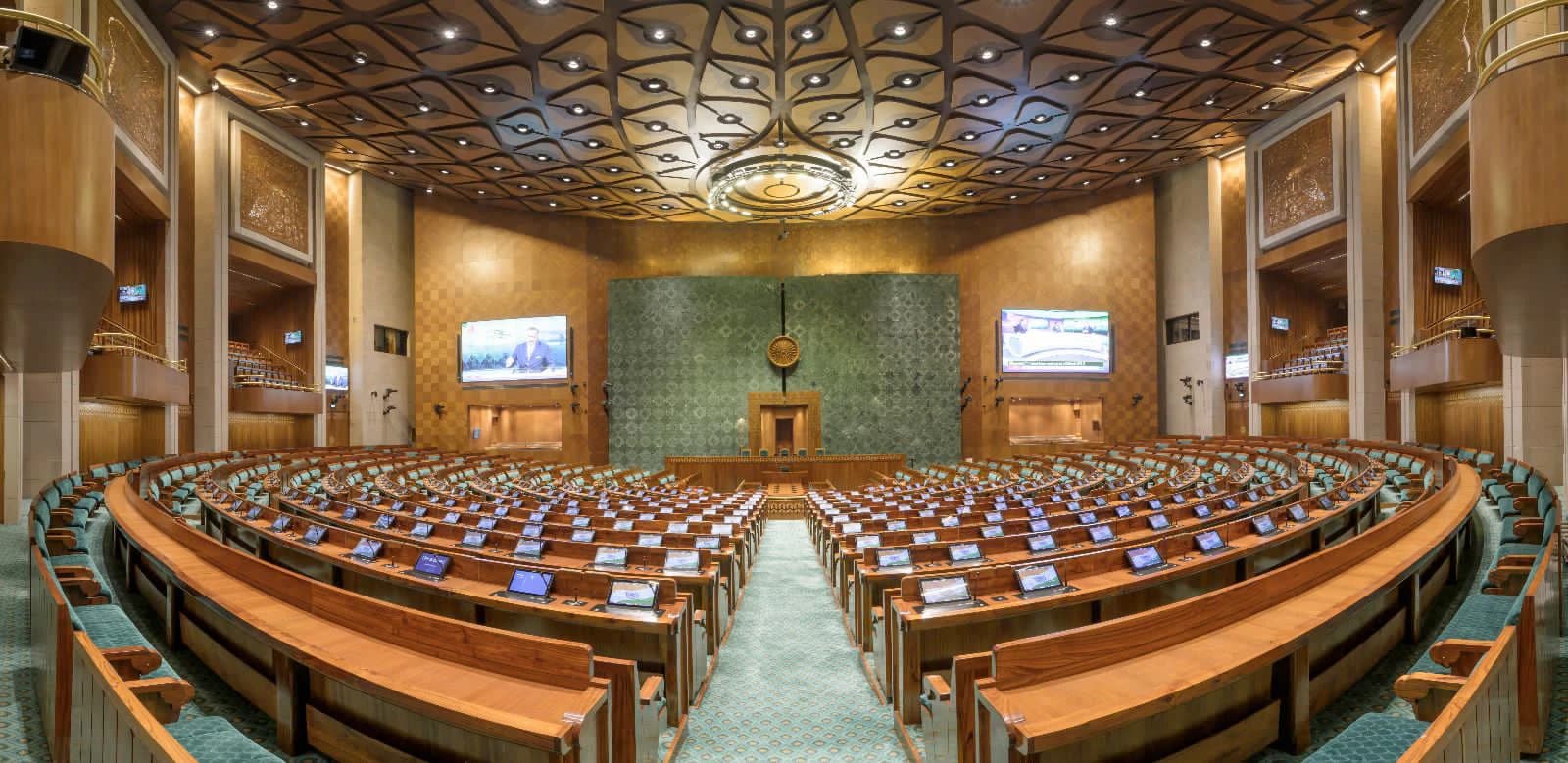
The immediate issue is not an election-cycle skirmish but the prospect that a future redistribution of parliamentary seats could give northern states a far larger share of the House of the People. Reddy said the South’s “importance will be lost” if the plan is implemented, arguing that the region could go from 129 MPs now to about 195 under delimitation, even as northern states gain a much bigger block of seats.
Sentiment Indicators
That matters economically because political representation shapes how India allocates federal spending, infrastructure, welfare budgets and regulatory attention. A larger northern bloc would strengthen states already home to the country’s biggest population centers, while South Indian states such as Telangana, Andhra Pradesh, Kerala and Tamil Nadu fear they could lose bargaining power despite contributing disproportionately to growth, tax receipts and industrial output.
Reddy framed the fight as one over federal balance, not party advantage. He said Kerala has 20 MPs versus Uttar Pradesh’s 80, and that if seats rise by 50%, Kerala would go to 30 while Uttar Pradesh would jump to 120, widening the gap to 90 seats and making southern voices easier to ignore.
The comments land as the government is said to be preparing a bill linked to women’s reservation and delimitation, a package that could come in a special or winter session. Passage would require 361 votes in the current House, while the NDA is said to have 320 members, leaving the government dependent on opposition support or defectors from the INDIA bloc.
For investors, the stakes are in policy durability and regional influence. States that believe they are being structurally weakened may push harder on fiscal devolution, job creation and local industrial policy, adding another layer of political friction for companies exposed to state-level permits, land acquisition, power tariffs and infrastructure contracts.
Reddy also tried to pre-empt the government’s argument that women’s reservation can be implemented only through delimitation, saying the law could be applied immediately without redrawing constituencies. He said the current push is politically risky and could become a larger national problem if the government “manipulates” the process to secure advantage.
The next trigger is parliamentary arithmetic: whether the government brings the bill in the coming session and whether opposition parties such as DMK and NCP-SP decide to back it or stay out. That vote will show whether delimitation becomes a technical reform or one of the most consequential federal battles in Indian politics.
| Entity | Gains | Losses |
|---|---|---|
| Northern states | ▲More parliamentary seats | ▼Less scrutiny over redistribution fears |
| South Indian states | ▲Stronger federal bargaining if they resist | ▼Political weight diluted under delimitation |
| Modi government | ▲Chance to reshape representation and pass reform | ▼Faces regional backlash and tougher vote math |
| Investors in South-heavy sectors | ▲Potential policy push for compensation and devolution | ▼Higher political uncertainty and federal tensions |