A sprawling opposition rally in New Delhi has turned allegations of electoral irregularities into a broader attack on the government’s handling of unemployment, inflation and social protections, widening the political stakes ahead of India’s next policy and election battles.
India INDIA bloc rally broadens to jobs and prices
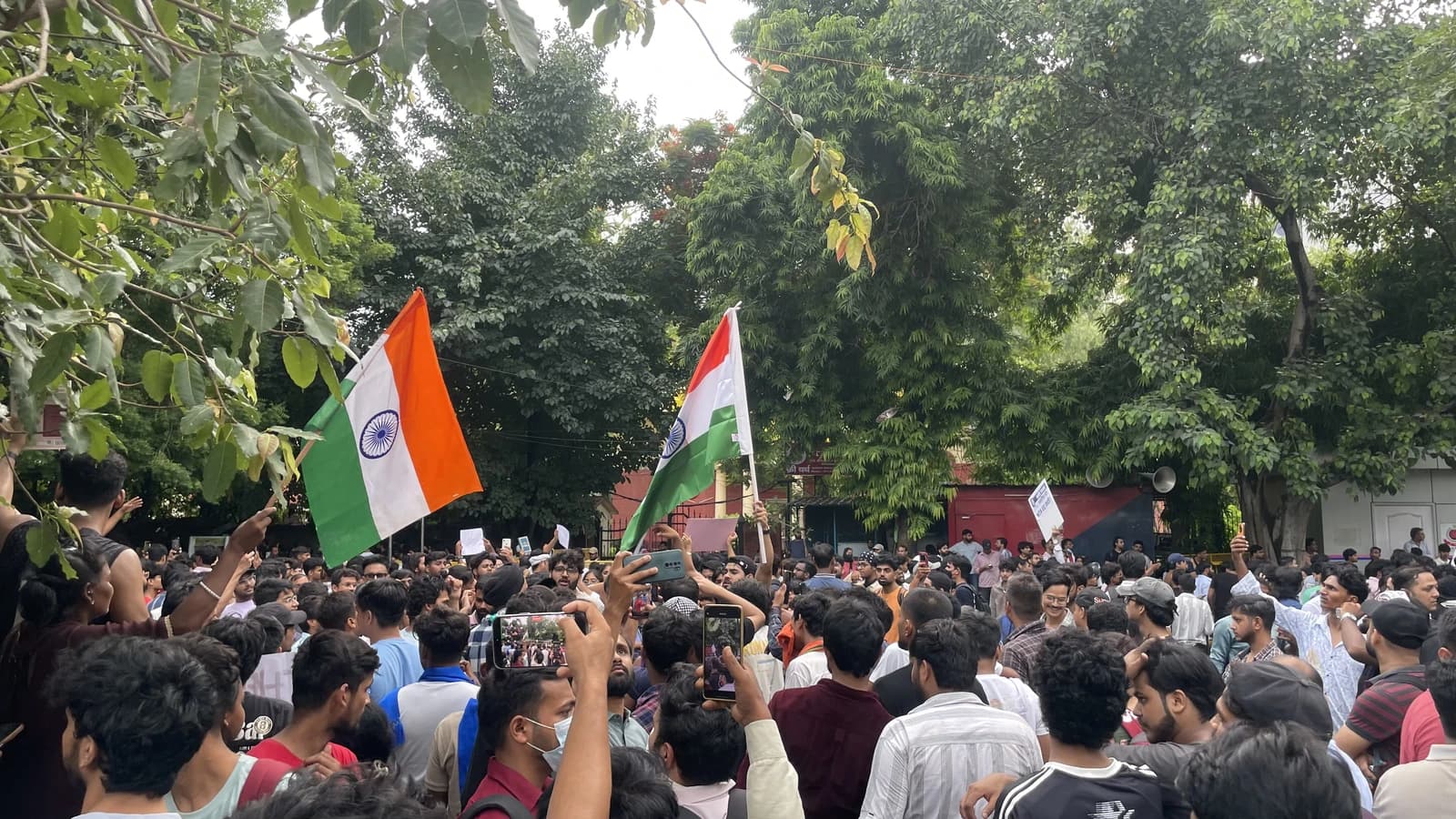
The demonstration at Ramlila Maidan, led by the INDIA bloc, drew farmers, domestic workers, students, transgender activists, political workers and residents from different social classes, according to local reports. While the trigger was alleged “vote चोरी,” or vote theft, speakers and participants repeatedly linked the issue to daily economic strain: weak job creation, higher living costs, gaps in education, women’s safety and access to justice.
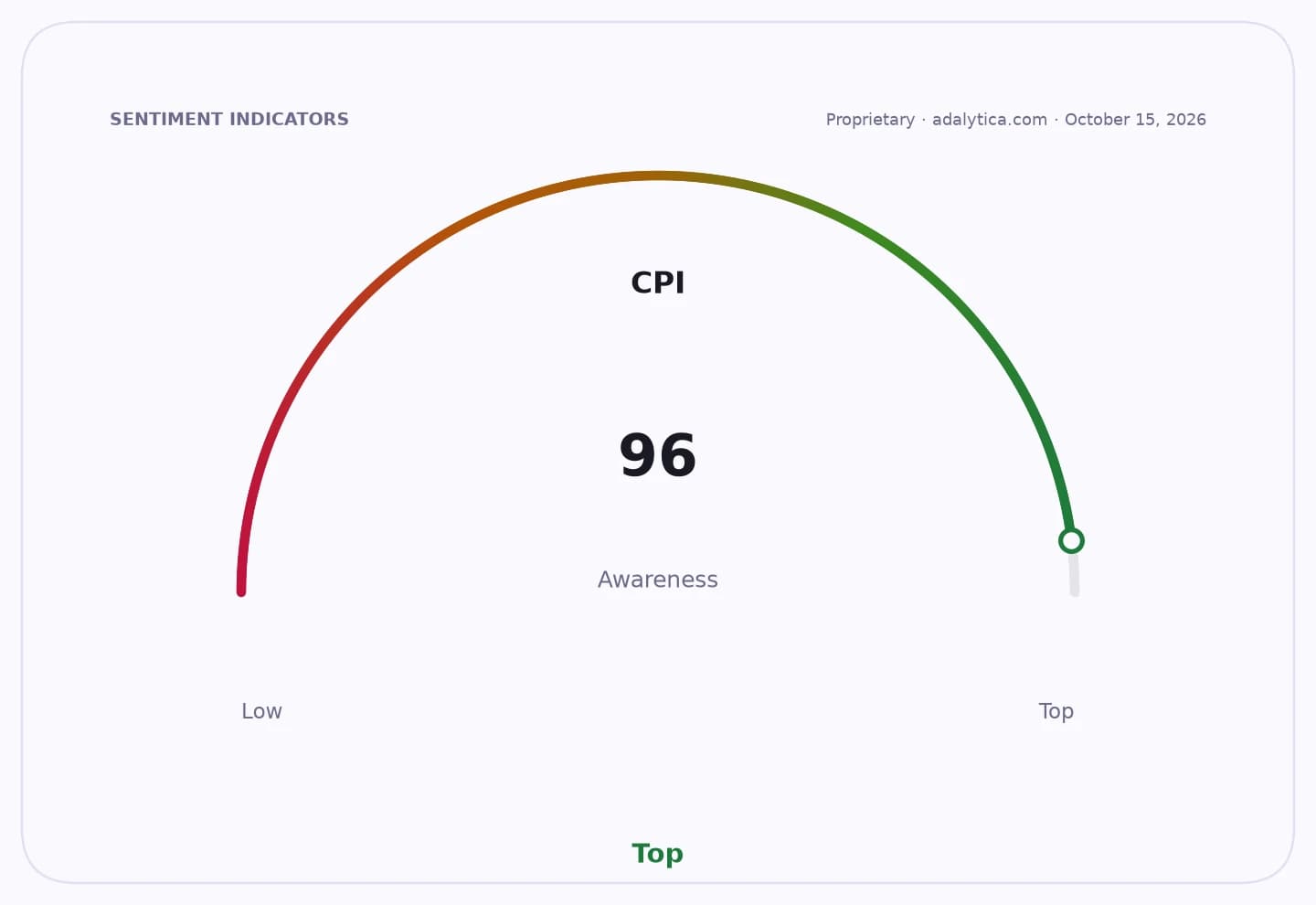
Sentiment Indicators
CPI
That matters because India’s political economy is increasingly being judged not just on growth, but on whether growth is translating into secure work and lower household stress. For investors, the rally is a reminder that social pressure can quickly spill into legislative priorities, welfare spending and regulatory scrutiny, especially when unemployment and price pressures remain core voter concerns.
The narrative on the ground was less about a single election complaint than about legitimacy. Protesters argued that if voter rolls are unreliable, then the government’s mandate is weakened; if the mandate is weakened, so is its ability to defend the economic model that has left many citizens struggling to keep up with prices and job scarcity. One Congress lawmaker said electoral democracy cannot be separated from daily hardship because elected officials shape the policies that affect people’s lives.
CPI — 30-day sentimentadalytica.com
Explore this data interactively — full history, time series and cross-market comparisons.
CPI
That linkage is economically important. Persistently high living costs tend to increase demand for subsidies, food support and other fiscal relief, while joblessness and underemployment keep pressure on wages and consumer confidence. If opposition parties successfully frame these issues as part of the same grievance set, the government may face greater political cost from any slowdown in consumption, rural distress or uneven labor-market recovery.
The rally also highlighted how the burden of administrative complexity falls unevenly. A domestic worker from Jharkhand said booth-level officers asked for documents proving ties to her home village, leaving her struggling to navigate paperwork she did not fully understand. For marginalized workers, such requirements can function as a barrier to participation as much as a bureaucratic safeguard, especially for people with limited formal education or English proficiency.
Students made a similar argument from a different angle: that access to education should lead to employment and mobility, not just enrollment statistics. That is politically potent in a country where young voters are often the sharpest critics of weak job creation. It also creates a policy challenge for the government, which must answer not only for election administration but for whether education spending is producing employable graduates.
For investors, the immediate market impact is likely limited, but the broader implication is clear. The more opposition politics merge governance complaints with bread-and-butter economic stress, the higher the odds of populist spending pledges, sharper scrutiny of official data and a noisier policy environment. That can matter for fiscal discipline, private-sector sentiment and sectors tied to consumer demand, education and labor-intensive industries.
| Entity | Gains | Losses |
|---|---|---|
| INDIA bloc opposition | ▲Broader protest momentum | ▼Government narrative control |
| Urban and rural protesters | ▲Visibility for economic grievances | ▼Risk of dismissal by authorities |
| Indian government | ▲Opportunity to defend institutions | ▼Pressure over jobs, prices and welfare |
| Marginalized workers and students | ▲Platform for representation | ▼Continued policy uncertainty |