Arunachal Pradesh community groups are pressing New Delhi to respond more forcefully to alleged Chinese incursions along the border, a reminder that the Himalayan standoff remains a live security risk even as India and China manage a fragile diplomatic thaw.
Arunachal border tensions raise India-China risk

The Nah Welfare Society’s appeal matters because it points to the economic cost of unresolved frontier tensions in one of Asia’s most strategically sensitive regions. Local groups say Chinese forces have built roads, bridges and military camps in areas traditionally used by communities for grazing, hunting and collecting forest goods, underscoring how military infrastructure on the border can alter livelihoods as well as the balance of power.
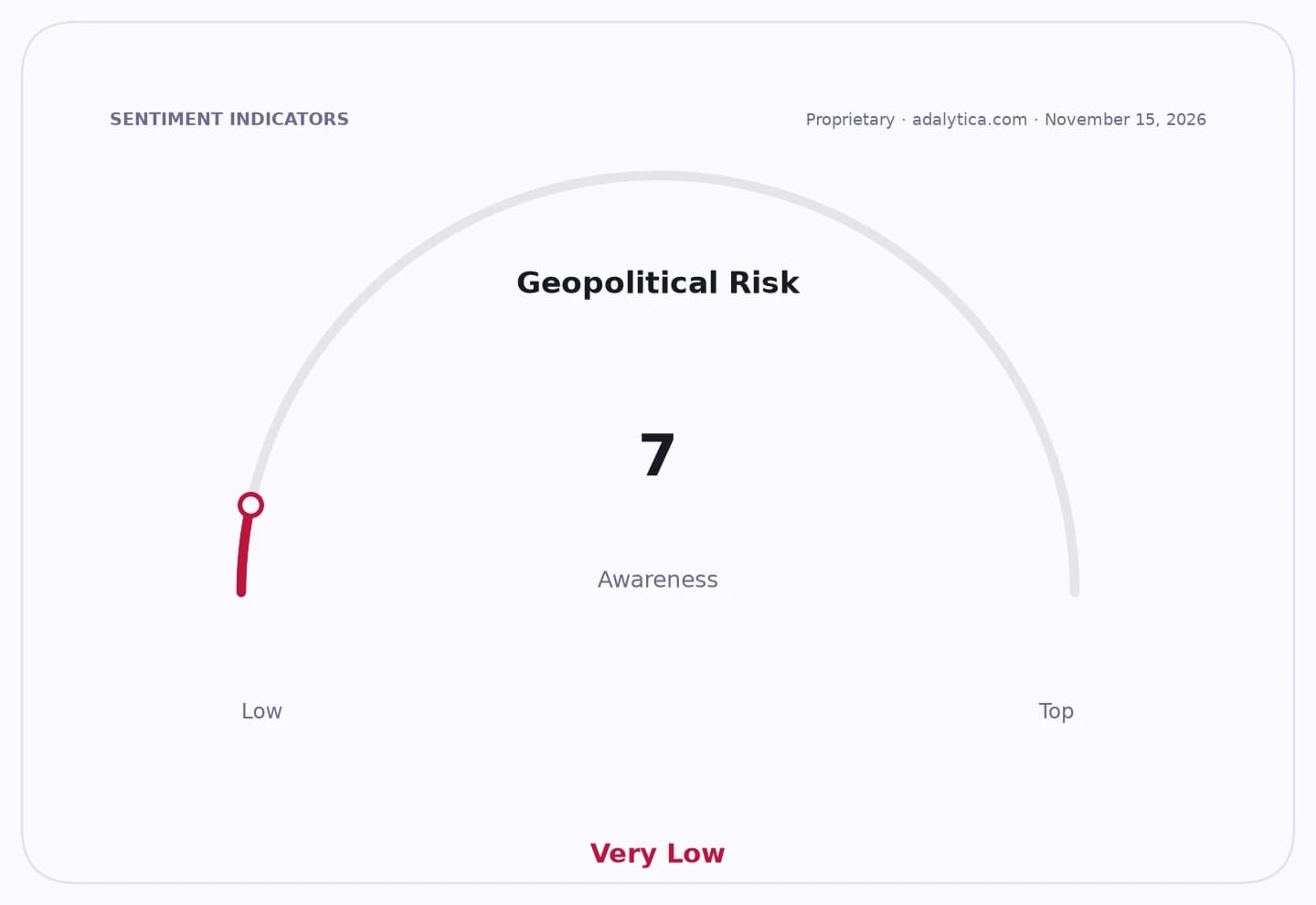
Sentiment Indicators

For India, the issue goes beyond a political complaint from a frontier state. Arunachal Pradesh sits at the center of a long-running territorial dispute with China, and any perception of shifting facts on the ground carries implications for border management, infrastructure spending and the security posture of the Indian army. The area also sits near key routes linking India to its northeast, making stability there important for internal connectivity, tourism and broader regional investment.
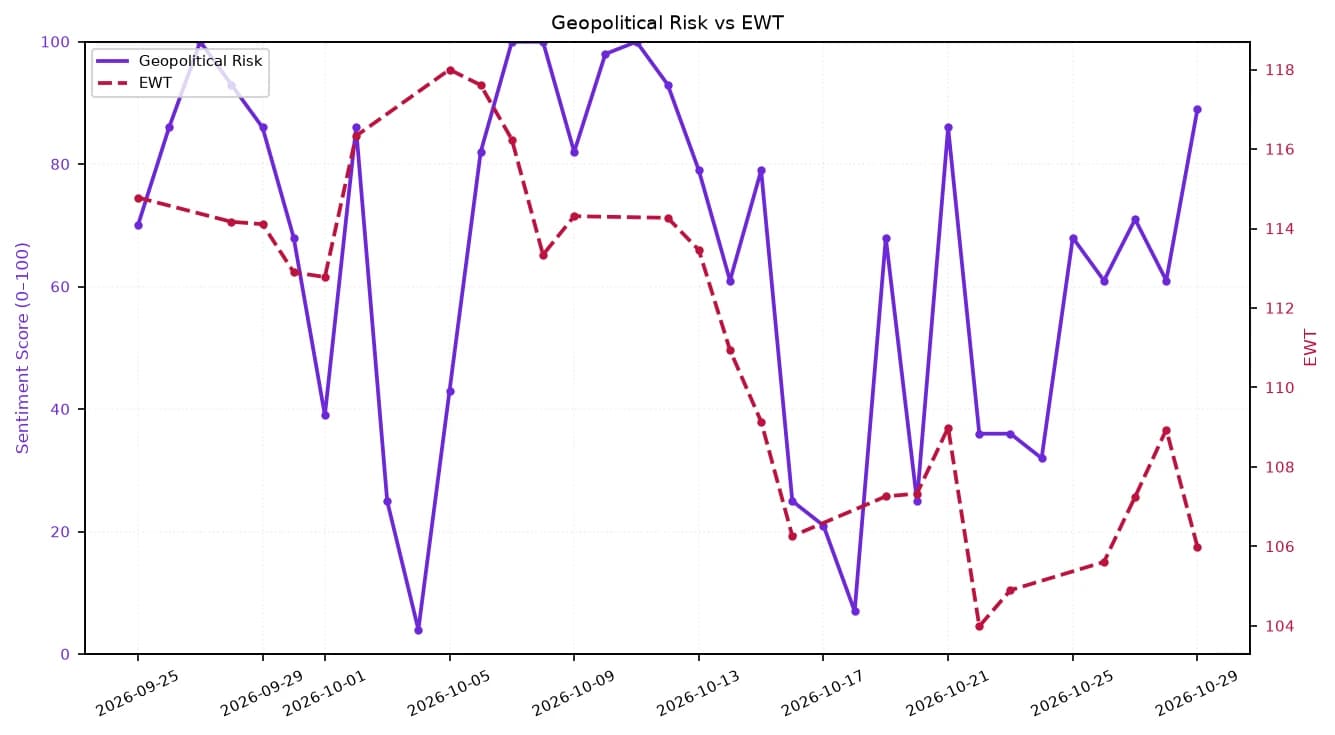
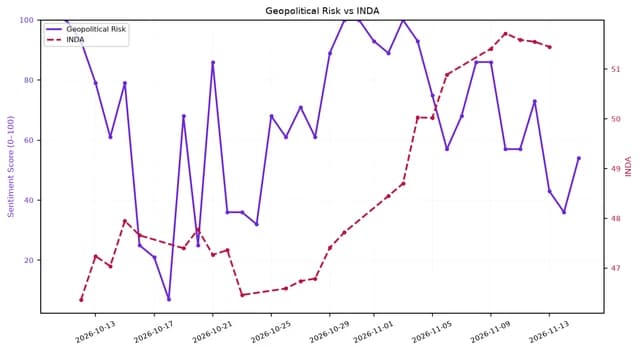
For investors, persistent border friction adds a layer of geopolitical risk to India assets, even when markets are more focused on growth and domestic policy. It supports a premium for defense spending, surveillance technology, logistics and infrastructure suppliers tied to frontier security, while leaving exposed sectors vulnerable to any escalation in India-China relations. It also reinforces caution around companies with cross-border supply chains in Asia, where political shocks can quickly feed into trade and transport costs.
The timing is notable because it comes while Beijing and Washington are trying to extend their trade truce, highlighting the disconnect between tactical de-escalation in one arena and continuing military competition elsewhere. That split matters for global markets: it suggests tensions can remain contained in trade while still unsettling defense budgets, border security planning and regional risk sentiment.
If New Delhi chooses a stronger response, the likely consequences will be more spending on roads, surveillance and troop support in the northeast, but also a greater chance of diplomatic friction with Beijing. For now, the story is less about a sudden escalation than about a durable market reality: the India-China border remains a structural geopolitical risk that can resurface whenever local communities say the line on the map is moving on the ground.
| Entity | Gains | Losses |
|---|---|---|
| Indian defense and infrastructure contractors | ▲More border spending | ▼Budget discipline |
| Arunachal border communities | ▲Greater security attention | ▼Access to grazing and forest land |
| China | ▲Strategic leverage if claims go unchallenged | ▼Diplomatic pressure |
| India | ▲Stronger border posture if it responds | ▼Risk of escalation and higher costs |