HSBC’s move to upgrade India to “Overweight” and cut mainland China to “Neutral” puts a simple reality back in focus for investors: in Asia, earnings quality and valuation still matter more than size. The bank said India’s resilient profits and more reasonable prices make it a better place to own for the long run, while China lacks the kind of clear catalyst needed for a sustained rerating.
HSBC Raises India to Overweight, Cuts China
That matters because asset allocators are being forced to choose between two very different stories. India is being rewarded for steady corporate earnings, domestic demand and relatively low volatility in a region increasingly dominated by AI-heavy themes. China, by contrast, is still trading with policy uncertainty, weaker confidence and a market that needs more than cheapness to attract durable foreign money.
Sentiment Indicators
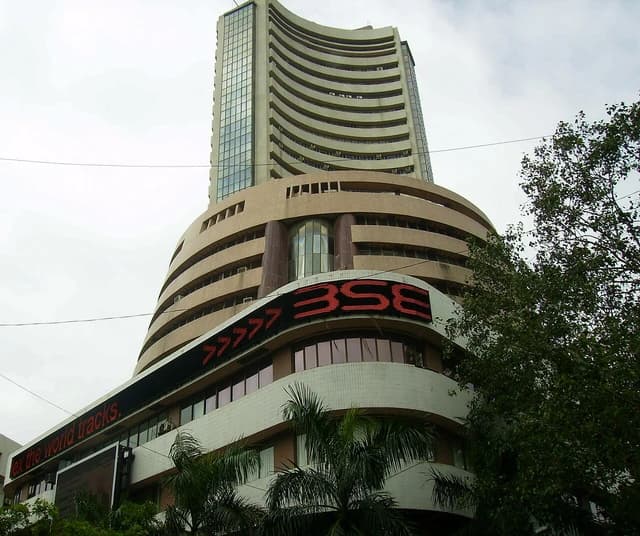
For investors, the message is not that China is uninvestable, but that the burden of proof has shifted. HSBC’s cut suggests that valuations alone are no longer enough to justify a more bullish stance when there is no obvious catalyst for a rerating. India, meanwhile, is starting to look like a core Asia allocation rather than just a high-growth satellite bet.
The timing also fits the way global markets are being positioned. The S&P 500 remains in an “Extreme Greed” reading in Adalytica’s trade signals, while China’s growth-target sentiment is also flashing “Extreme Greed” but with very low awareness, a reminder that sentiment can get ahead of conviction. In practical terms, that can leave investors vulnerable to crowded trades and policy disappointments. A market can look cheap for a long time if the catalyst never arrives.
Economic Growth Targets
India’s case is strengthened by the fact that it offers something increasingly scarce in Asia: diversification away from the AI trade and the policy overhang hanging over China. HSBC said high oil prices and El Niño are risks, but not enough to materially damage overall investor sentiment. That is important because India’s market story has always depended on whether macro headwinds would overwhelm earnings resilience. For now, the bank is saying no.
China, on the other hand, continues to face the harder task of converting stimulus expectations into sustained corporate profit growth. The country’s equity market can still rally on policy headlines, but foreign investors want evidence that earnings, margins and confidence are turning higher in a durable way. Without that, China remains more of a trading market than a long-term compounding story.
You can see the split in the market tape as well. The India-focused INDA ETF has held above its 50-day moving average in recent sessions, while the China-tracking FXI has been struggling to keep momentum near its own short-term trend. MCHI, another China proxy, has also stayed below its 200-day moving average. Those are not reasons to buy or sell by themselves, but they reinforce the broader message: India is getting the benefit of improving relative strength, while China is still waiting for a convincing turn.
| Entity | Gains | Losses |
|---|---|---|
| India equities | ▲Higher foreign inflows | ▼Neutral-to-underweight rivals |
| China equities | ▲Selective value investors | ▼Broad rerating hopes |
| India-focused ETFs | ▲Relative demand | ▼China-tracking funds |
| Long-term investors | ▲Better risk-adjusted exposure | ▼Momentum chasers |