Lalit Modi’s planned return to India after 16 years matters less as a personal homecoming than as a sign that one of Indian cricket’s most politically charged legal sagas may finally be easing, with implications for governance, reputational risk and the business model around the Indian Premier League.
Modi Return Eases IPL Overhang
The former IPL founder said he intends to come back after a tribunal overturned a large penalty linked to a 2009 Foreign Exchange Management Act case, removing the most immediate obstacle to his return. For Indian cricket, that closes a long-running chapter that has shadowed the league’s rise from a domestic tournament into one of the world’s most valuable sports properties. For investors and sponsors, it also raises a familiar question: whether a lower legal overhang can improve the sector’s predictability, or whether renewed attention to old controversies will revive scrutiny of the institutions built around the IPL.
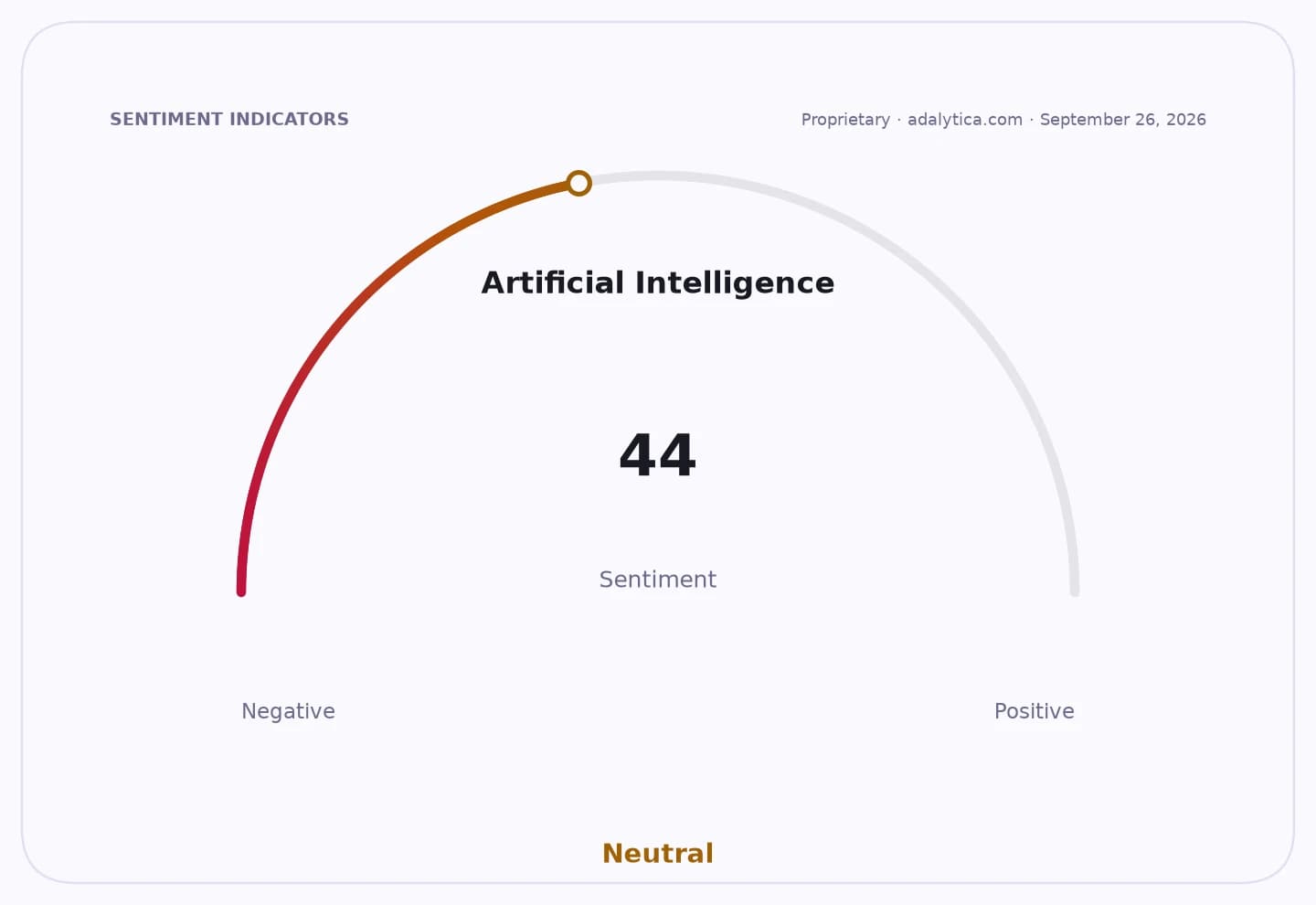
Sentiment IndicatorsⓘProprietary · adalytica.com · July 23, 2026
This is a snapshot — live sentiment, awareness and momentum for 130+ markets update continuously in the dashboard.Open AlphaPulse
The economic significance lies in the IPL’s position as a core asset in India’s sports-media ecosystem. The league underpins rights fees, advertising spend, franchise valuations and a wide web of hospitality, consumer and digital businesses. Any development involving its founder reverberates beyond cricket because the IPL remains a premium platform for brands chasing India’s affluent urban consumers. A less uncertain legal backdrop can support confidence around sponsorship commitments and long-dated commercial planning, even if Modi himself has no formal operational role in the league today.
The tribunal relief also matters because it shows how legal outcomes can reset narratives in Indian sports and business. Modi’s exit in 2010 coincided with years of enforcement action and public controversy that made him a symbol of the IPL’s early governance risks. His return, if it proceeds as planned, may be read by some as an implicit acknowledgement that the case against him has weakened materially. Others will view it as unfinished business, particularly given the unresolved reputational questions that still hang over the league’s formative years.
For investors, the direct trade is limited, but the second-order effects are not. Media owners, franchise stakeholders, advertisers and consumer brands want stability more than headlines. If Modi’s return leads to fresh legal noise, it could temporarily dent sentiment around Indian sports assets. If, instead, it marks the end of a long dispute, it may reinforce the view that the IPL’s commercial machine has become resilient enough to absorb its founders’ controversies.
The broader context is that Indian cricket has increasingly been governed less by personalities than by institutionalized commercial interests. Modi’s comeback would test that shift. It may not alter the league’s earnings trajectory, but it could reopen debate over transparency, control and the balance between sporting power and public accountability. For now, the market relevance lies in the fact that a 16-year legal overhang is fading — and with it, one of the most prominent risks attached to the IPL’s origin story.
| Entity | Gains | Losses |
|---|---|---|
| Lalit Modi | ▲Personal vindication | ▼Years of exile narrative |
| Indian cricket/IPL | ▲Legal closure | ▼Renewed scrutiny |
| Sponsors/media partners | ▲Greater certainty | ▼Short-term controversy risk |
| Critics/regulators | ▲Fewer open questions | ▼Loss of leverage |