Moldova is moving to bring cryptocurrencies into a formal tax and licensing regime, a shift that could unlock bank transfers to approved platforms while tightening oversight of one of Europe’s most exposed retail crypto markets.
Moldova Crypto Tax and Licensing Rules

The legislation, approved in first reading at the end of July, would align Chișinău with the European Union’s Markets in Crypto-Assets framework as the country seeks closer compliance with EU financial-security standards. That matters because Moldova has until now sat in a regulatory grey zone: crypto ownership and trading were neither banned nor supervised, leaving users exposed to fraud and giving authorities limited tools against money laundering, pyramid schemes and illicit political finance.
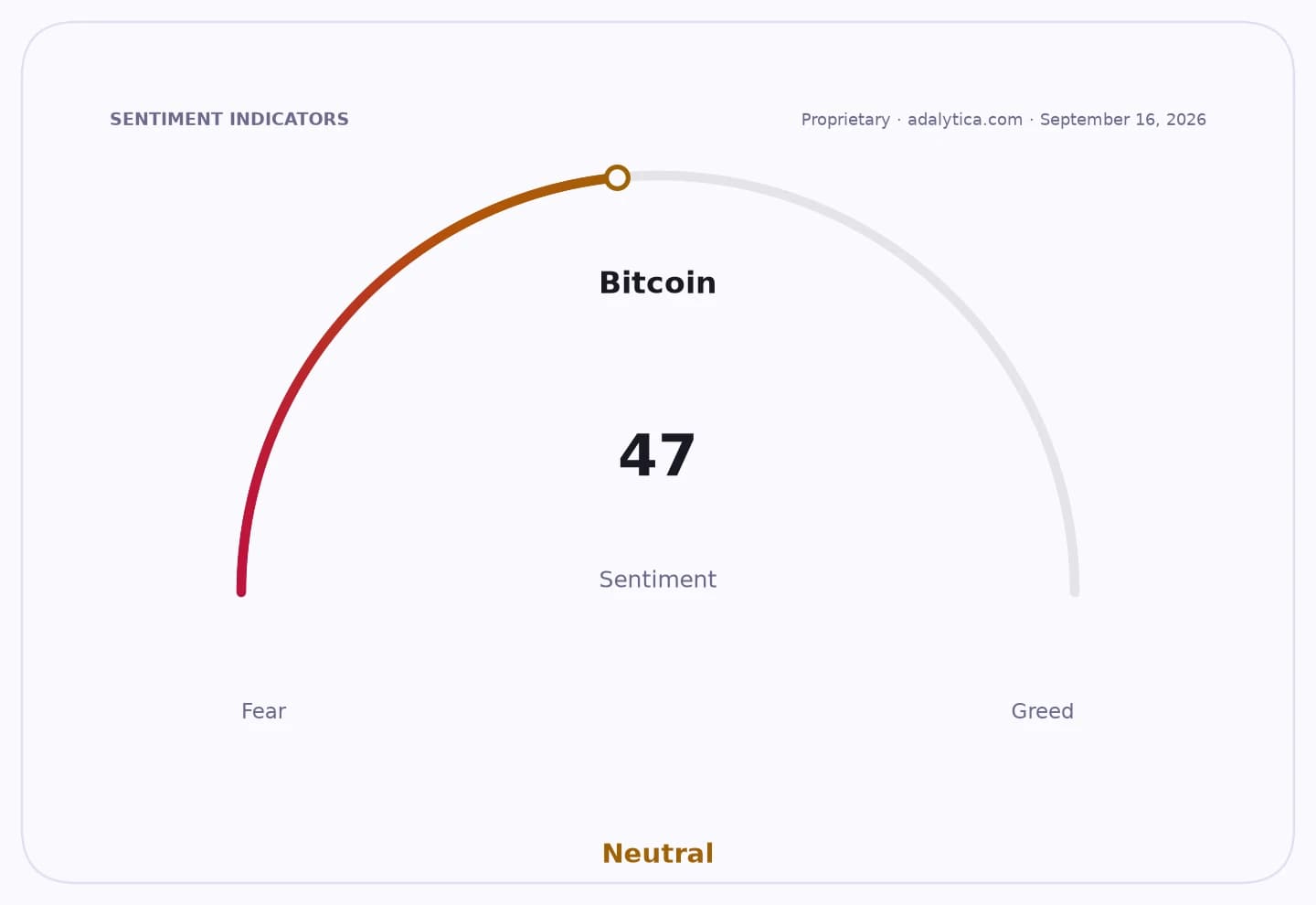
Sentiment IndicatorsⓘProprietary · adalytica.com · September 4, 2026
This is a snapshot — live sentiment, awareness and momentum for 130+ markets update continuously in the dashboard.Open AlphaPulse
For investors and operators, the biggest immediate change is that commercial banks would be allowed to process transfers from customer accounts to authorized exchanges and service providers, while retaining the right to block flows to non-compliant platforms or blacklisted entities. That could ease one of the main friction points in Moldova’s crypto market, where banks have sometimes restricted transfers to major exchanges such as Binance for lack of legal clarity. It also creates a clearer on-ramp for exchanges, payment processors and custody businesses that can meet MiCA-style standards.
The tax treatment is equally significant. Individuals who withdraw crypto gains into Moldovan bank accounts would have to declare the income, but only half of the profit would be taxable, at the standard 12% rate, implying an effective tax rate of 6% on gains. Companies would face a 12% levy on crypto-related income. For a market with unusually high adoption, the move turns a largely informal flow of wealth into a taxable base and gives the state a new revenue stream without banning trading.
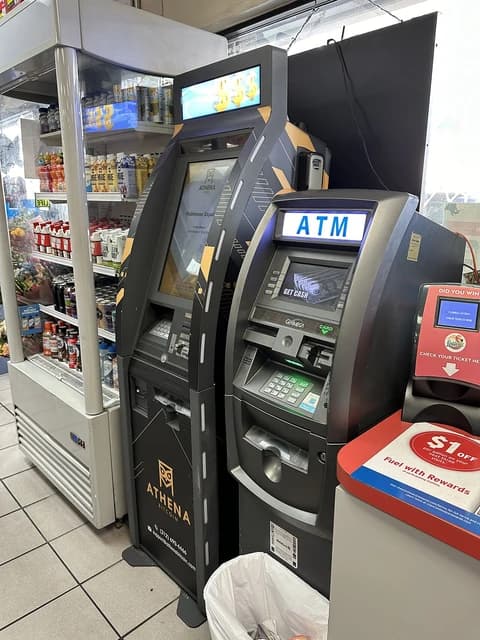
The law also opens the door to crypto ATMs, but under a far stricter framework than the loosely supervised machines seen in some jurisdictions. Users would have to identify themselves through ID, mobile confirmation or facial recognition, while operators would need to show exchange rates and fees on screen, issue fiscal receipts and cap deposits and withdrawals per transaction and per day. Transfers of 50,000 lei and above would be reviewed for anti-money-laundering purposes, and operators could be asked to prove the source of funds.
That is economically important in Moldova, where crypto use is already far from niche. A Chainalysis index cited by local media ranked the country second globally in crypto adoption relative to population last year, behind Ukraine and ahead of Georgia. In that environment, formal regulation is less about encouraging speculative activity than about forcing a shadow market into the banking system, where it can be taxed, monitored and policed.
The backdrop helps explain why lawmakers are acting now. Moldovan authorities have linked crypto channels to illicit financing of political parties, including allegations surrounding fugitive oligarch Ilan Șor. A recent report to parliament said more than $107 million moved through one wallet between 2023 and 2025. Police have also said this year they have dismantled several crypto scam networks and arrested suspects on money-laundering allegations tied to pyramid schemes. For regulators, the case for tighter controls is not theoretical.
The country’s break with Transnistria’s former mining model underscores the same point. Crypto mining in the separatist region once benefited from cheap energy and tax perks, but that activity was halted after gas transit from Russia through Ukraine stopped, removing the energy subsidy that had underpinned the business. The result is a more sober policy environment: Moldova is not trying to become a crypto haven, but rather to define what can operate legally, who can move money, and how gains are taxed.
For investors, the immediate winners are compliant exchanges, payment processors and banks that can service regulated flows. The losers are unlicensed platforms, opaque operators and anyone relying on crypto’s earlier legal ambiguity to avoid scrutiny. The next test will be implementation: how quickly the law passes its second reading, how strict the licensing process becomes, and whether enforcement can keep pace with a market that has already proved both popular and politically sensitive.
| Entity | Gains | Losses |
|---|---|---|
| Authorized exchanges | ▲clearer bank access | ▼unlicensed rivals |
| Moldovan banks | ▲legal certainty | ▼opaque crypto flows |
| Crypto users | ▲regulated on-ramps | ▼privacy, anonymity |
| State/tax authorities | ▲taxable base | ▼informal gains |